
Vandaag of morgen in huis

Kwaliteit gegarandeerd

Welkomstaanbiedingen ontgrendelen: GRATIS bezorging | Tot 80% korting | Gratis 30 dagen JoyPlus-proefperiode
Download de app
A jar of chilli sauce might seem simple to pick, but the differences are huge. One sauce is mostly oil and salt, while another contains plenty of sugar, vinegar or fermented ingredients. The texture also varies widely: from smooth spicy sauce to coarse chilli, chilli garlic sauce and crunchy chilli crisp.
For home cooks in the UK, there are three main pitfalls to watch out for:
Ingredients on the label are usually listed in descending order by quantity. If chilli comes first, it typically makes up a significant part of the sauce. With a recipe where oil, sugar or soy sauce are the first ingredients, you’ll get a different flavour profile.
When it comes to Chinese chilli sauce and other Asian varieties, look out for:
A short ingredients list isn’t automatically a guarantee of quality. Use the information mainly to match the sauce to your own preferences.
The nutritional values help you tell apart oil-rich, sugar-rich and salt-rich varieties. For example, Lao Gan Ma Chili Sauce lists 645 kcal and 55g of fat per 100g according to the product information, while Yun Shan Ban 0 Fat Chili Sauce states 0g of fat and 84 kcal per 100g.
Also pay attention to salt. Some sauces contain more than 7g of salt per 100g. That means a small amount is often enough as a flavour enhancer. The term “0% fat” only tells you about fat content; also check the amount of sugar, carbohydrates and salt.
The best choice depends on the dish, not just the heat level.
Also check the storage instructions. Many jars need to be refrigerated after opening and used within a certain period. A dry, cool pantry is only suitable when the label says so.
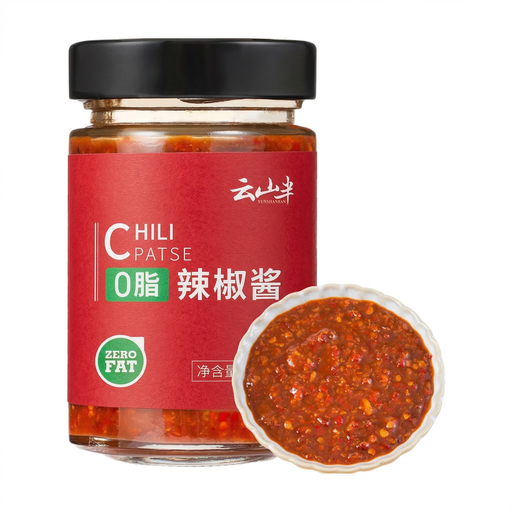
Why this fits the profile: According to the product information, this sauce contains 0g of fat per 100g and is suitable for dipping, rice and stir-frying. That makes it accessible for anyone wanting to try different uses.
The nutritional values show, alongside the fat-free claim, 84 kcal and 2,850mg of sodium per 100g. So you can see that “0 fat” isn’t the same as salt-free.
250g; 0g fat per 100g; can be used as a dipping sauce, flavour enhancer and stir-fry sauce.
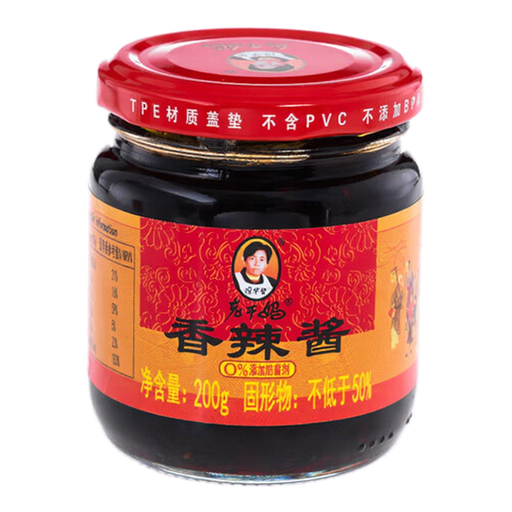
Why this fits the profile: According to the product description, this Chinese chilli sauce combines Guizhou chilli with fermented black beans. The oil-fried preparation suits those who love a savoury, aromatic sauce for rice and noodles.
The ingredients list makes it clear that soya, wheat and gluten are present. It also states 55g of fat and 2,500mg of sodium per 100g.
Fermented black beans; oily texture; suitable as a condiment and cooking ingredient.
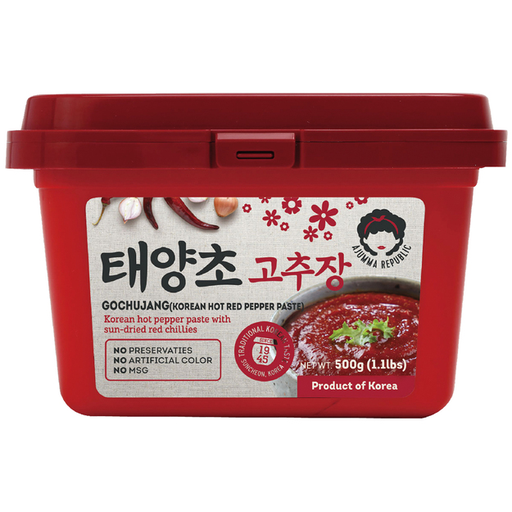
Why this fits the profile: This Korean chilli paste is designed for sauces, marinades, soups, stews and bibimbap. The larger pack suits anyone who cooks Korean food regularly.
The product information lists wheat and gluten. So check the allergens first before using this paste for a group.
500g; can be used as a base for marinades and dips; per 100g the label states 30g of carbohydrates and 15g of sugars.
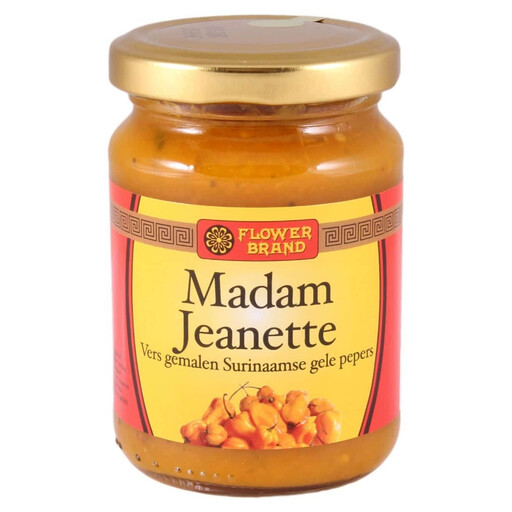
Why this fits the profile: According to the product information, this sambal consists of 92% Madam Jeanette, with salt and acidity regulators. It suits anyone looking for a direct, pronounced pepper base for rice, soups and Surinamese dishes.
The high amount of pepper is clearly stated. So start with a small amount rather than using the sambal like a mild dipping sauce.
92% Madam Jeanette; 40 kcal per 100g; according to the product information, free from the 14 main EU allergens.
We’ve put together a full, up-to-date list of products that fully meet these strict selection criteria and comply with current European safety regulations.
Chilli sauce is a broad term for sauces that contain chilli as an ingredient. Sambal is usually coarser and more pepper-focused, while chilli paste can be thicker and is often used as a cooking base. Gochujang is a specific Korean fermented chilli paste with a sweet-savoury profile.
Always follow the label. Many products recommend refrigeration after opening and using them quickly. Seal the jar tightly, use a clean spoon and check the smell, colour and texture before adding the sauce to a dish.
For a savoury, oily flavour, Lao Gan Ma Chili Sauce and chilli crisp work well with rice and noodles. If you’re after a milder sweet-spicy combination, try a dipping sauce. For Korean noodles, marinades and rice dishes, gochujang is a logical choice. Always check the heat level, allergens and amount of salt on the label.
