
Vandaag of morgen in huis

Kwaliteit gegarandeerd

Welkomstaanbiedingen ontgrendelen: GRATIS bezorging | Tot 80% korting | Gratis 30 dagen JoyPlus-proefperiode
Download de app
A bottle of chili sauce may seem easy to choose—until you browse the available options. One chili pepper sauce is thin and tangy, while another is rich, oily and savoury. Some varieties are designed for dipping, whereas Korean gochujang or chili paste is primarily used to add depth and body to hot dishes.
For home cooks in the Netherlands, the choice is therefore about more than heat alone. Origin, sugar content, allergens, quantity and storage instructions all determine whether a sauce is a good fit for your kitchen. Below, you’ll discover which pitfalls to avoid and which popular choices in 2026 suit different use cases.
Words such as “hot”, “extra hot” or “fiery” do not provide a standardised comparison between brands. A sauce made with cayenne pepper may taste sharp and acidic, while a sambal with garlic, oil or sugar can offer a rounder flavour profile. Always check the ingredients and usage recommendations rather than relying solely on the front of the packaging.
Also pay attention to the difference between:
A 480-gram bottle may appear better value than a 150- or 200-gram jar, but that depends on how often you use the sauce. Sweet chili sauce works well as both a dip and a table condiment, while a highly concentrated sambal often requires less per meal.
Compare the price per 100 grams or millilitres. Also check the shelf life after opening. Some products must be refrigerated once opened, which can make them less convenient if you only use them occasionally.
A sauce may include “garlic”, “fermented soybean” or “gochujang” in its name, but the ratio of chili, oil, sugar and other flavourings varies from one product to another. Check the full ingredients list. With international products, pay particular attention to translations, allergens and discrepancies between the online product information and the physical label.
For example, one Surinamese sambal in the selection lists prawns among its ingredients, while the allergen information does not identify any of the 14 major allergens. If you have an allergy, always check the packaging and do not use the product if you are unsure.
Check which ingredient appears first. Flower Sambal Jeanette lists 92% Madam Jeanette peppers, supplemented with salt and acidity regulators. This points to a straightforward pepper sambal with little sweetness.
CHINSU Chili Sauce lists water, sugar, chili, garlic and sweet potato among its ingredients. Its nutritional information states 19 grams of sugar per 100 grams. This thicker sauce can therefore work well with spring rolls, fried snacks and Vietnamese dishes, but is less suitable if you are looking for a dry, savoury chili paste.
Oil-based varieties such as Tan Tan Xiang and Lao Gan Ma offer a savoury, fermented flavour profile according to the product information. Tan Tan Xiang contains fermented soybeans, garlic and vegetable oil, among other ingredients. This type of sauce pairs well with rice, noodles and stir-fries.
Always check the bold allergen declaration on the label. Many international sauces contain:
A product description may state that a sauce contains none of the 14 major EU allergens, but always verify this against the current packaging. Product information may change.
A slim 142 ml bottle is convenient if you mainly drizzle chili sauce over pizza, eggs, soup or sandwiches. A 500-gram jar makes more sense if you regularly prepare Korean marinades, stews or bibimbap.
Pay attention to the storage instructions:
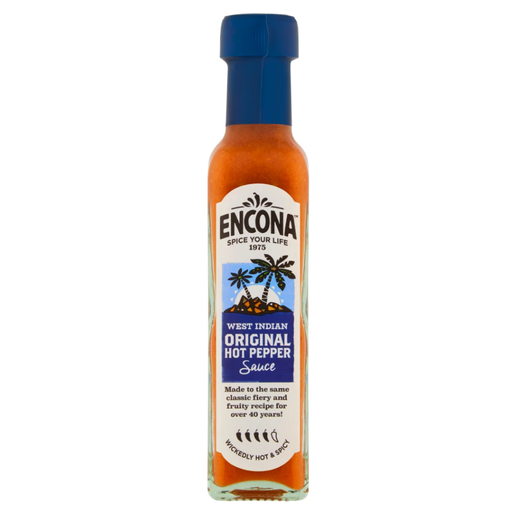
Why This Fits Their Persona: A compact hot sauce for anyone who wants to experiment with different dishes without committing to a large jar. Suitable for pizza, soups, dips, marinades and sandwiches.
The product information describes a liquid consistency and a short ingredients list featuring cayenne peppers, vinegar, water and salt. This makes it easier to understand how to use than more complex sauces with multiple layers of flavour.
142 ml capacity; according to the product information, none of the 14 major EU allergens; 21 kcal per 100 grams.
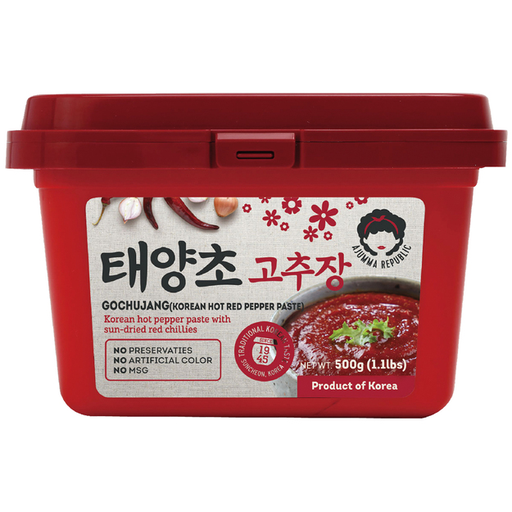
Why This Fits Their Persona: For home cooks looking for a Korean flavour base for marinades, stews, soups and stir-fries.
The product information explicitly lists wheat and gluten. This means you can see in advance that it is not suitable for a gluten-free diet.
500-gram capacity; stated uses include kimchi, bulgogi, dips and marinades; origin: South Korea.
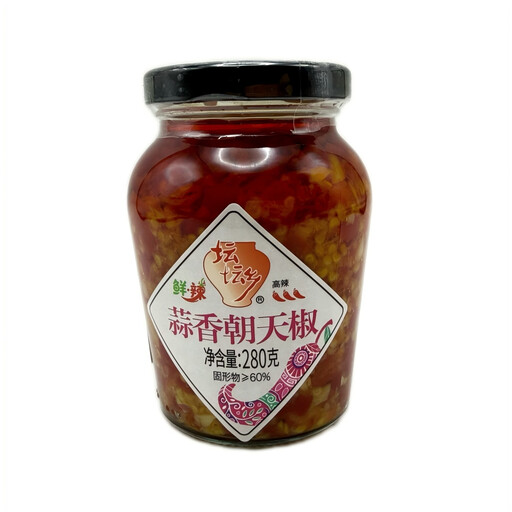
Why This Fits Their Persona: For enthusiasts of rich, oil-based Chinese chili sauce served with rice, noodles, stir-fries and marinades.
The ingredients list Chaotian chili, garlic and fermented soybean paste. It also states that the jar must be refrigerated after opening.
280-gram capacity; garlic and fermented soybeans; ready to use.
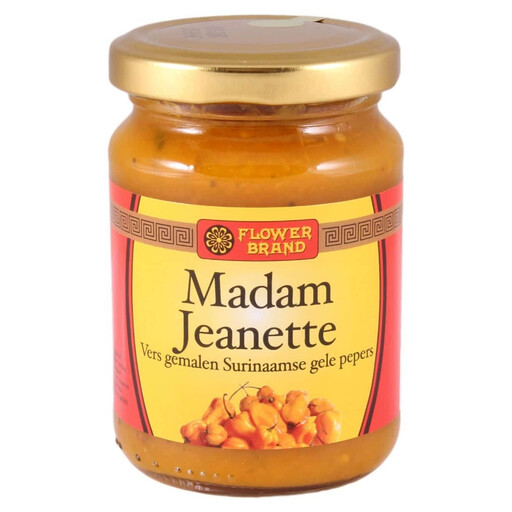
Why This Fits Their Persona: For anyone looking for a Surinamese sambal to stir in small quantities with rice, noodles, soup or a marinade.
The ingredients list contains 92% Madam Jeanette peppers, giving it a more clearly defined flavour profile than sauces with high amounts of sugar, oil or thickeners.
200-gram capacity; according to the product information, none of the 14 major EU allergens; 40 kcal per 100 grams.
Browse a current selection of hot fresh chili sauces and compare flavour profile, quantity, ingredients and uses for each product.
An oil-based sauce with garlic or fermented soybeans pairs well with rice and noodles. Tan Tan Xiang and Lao Gan Ma are examples with this flavour profile. For a sweeter dip with snacks, CHINSU or Healthy Boy Chilli Sauce may be a better choice.
Sambal is generally thicker and contains ground chillies, sometimes combined with onion, garlic, oil or spices. Hot sauce is often more liquid and tangier because of its vinegar content. The terms are not fully standardised, so always check the ingredients and texture.
Follow the label for the specific product. Many sauces must be refrigerated after opening, while others may be stored in a cool, dry place according to the product information. Seal the bottle or jar tightly and check the storage and shelf-life information on the packaging before using the sauce.
