
Vandaag of morgen in huis

Kwaliteit gegarandeerd

Welkomstaanbiedingen ontgrendelen: GRATIS bezorging | Tot 80% korting | Gratis 30 dagen JoyPlus-proefperiode
Download de app
A bottle of chilli sauce might seem simple to choose, but the differences are huge. One sauce is mostly sweet and thin, while another contains plenty of garlic, oil, fermented beans or coarse chilli pieces. That means not every spicy sauce suits the same meal.
Marketing claims can also be confusing. Words like “extra hot”, “authentic” or “rich in flavour” don’t always tell you how much chilli, sugar, salt or oil is actually in the bottle. With these checkpoints, you can choose a chilli sauce more wisely for stir-fries, noodles, rice, dumplings, hotpot or as a dipping sauce.
There is no universal scale that every bottle of chilli sauce uses in the same way. “Hot” from one brand can therefore taste quite different from another. Instead, look at the ingredients and taste a small amount first.
Also pay attention to the type of product:
A bright red Asian chilli sauce doesn’t automatically contain lots of chilli. Go-Tan Original Chili Sauce, for example, lists 3.2% red chillies and contains mostly water and sugar. That makes the sauce suitable as a table and cooking sauce, but the flavour is different from a Chinese chilli sauce with plenty of salted chilli.
So check the order of ingredients. Ingredients are usually listed in descending order by quantity. Also look for percentages, such as the proportion of chilli, garlic or oil.
Asian sauces can contain soya, wheat, sesame, fish, shellfish, peanuts or mustard, among other things. A sauce for noodles therefore isn’t automatically suitable for every household.
After opening, the storage method varies by product. Some bottles need to be kept in a cool, dry place; others must go in the fridge once opened. Always check the label and the shelf-life information on the packaging. Do not use a jar or bottle if the packaging is damaged.
First, decide what you want to use the sauce for. For rice and noodles, an oily sauce with garlic and umami often works differently from a sweet, smooth sauce. A garlic chilli sauce, for example, suits stir-fries, marinades and dumplings. A gochujang sauce may be better for Korean dishes like bibimbap.
Look out for these flavourings:
Compare labels based on the same quantity. Pay particular attention to sugar, salt and fat. This is practical when you use several tablespoons per meal.
The differences within this product group are significant. Go-Tan Original Chili Sauce lists 41g of sugar and 1.5g of salt per 100g. Lee Kum Kee Chilli Garlic Sauce lists 15g of sugar and 8g of salt per 100g. Lao Gan Ma Chili Oil with Three Dried Peppers contains 82.6g of fat per 100g according to the product information. None of these values alone tells you whether a sauce is right for you; they simply help you to portion it more consciously.
A 500ml bottle is handy for regular use, but less practical if you only need a dipping sauce occasionally. Smaller jars of 80 to 240g are easier to try first. For a large household or frequent stir-fry meals, a size of 280 to 368g may make more sense.
Also consider the texture. A smooth sauce mixes easily through noodles. A coarse chilli oil or sauce with peanuts, beans or crunchy pieces works better as a topping or dipping sauce.
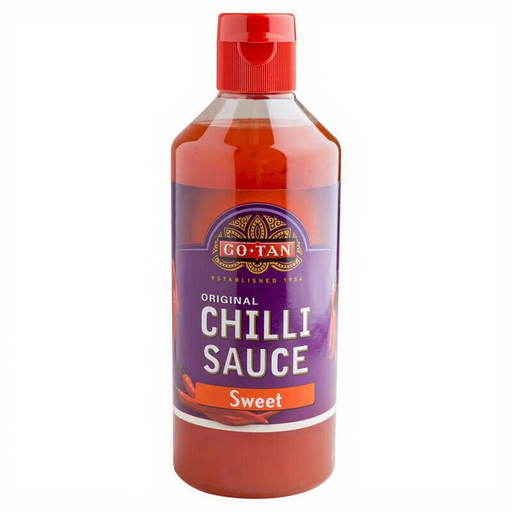
Why this fits the profile: This smooth sauce works as a table sauce and for everyday cooking. The 500ml size is practical when you regularly make rice, snacks or stir-fries.
The product information clearly states that the sauce is garlic-free and contains 3.2% red chillies. So you know this isn’t a coarse garlic or chilli paste.
500ml content; smooth texture; according to the product information, free from the 14 major EU allergens.
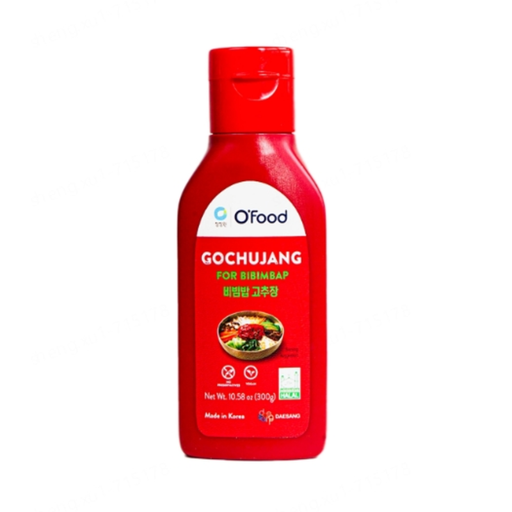
Why this fits the profile: This Korean gochujang sauce is designed for bibimbap and suits fans of fermented, savoury seasonings.
The ingredients list includes red chilli, soya paste, rice powder and sesame oil. Do check the allergens present: wheat, soya, mustard and sesame oil.
300g; halal certified according to the product information; suitable for bibimbap and other Korean dishes.
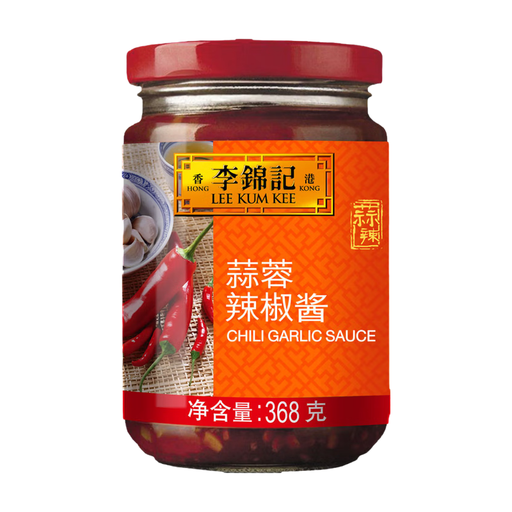
Why this fits the profile: The combination of salted chillies and dried garlic suits stir-fries, marinades, noodles and dipping sauces.
The label states 59% salted chillies and 5% dried garlic. The sauce must be refrigerated after opening, which is important for heavy use.
368g; clear chilli-garlic base; ready to use in wok dishes, marinades and as a dipping sauce.
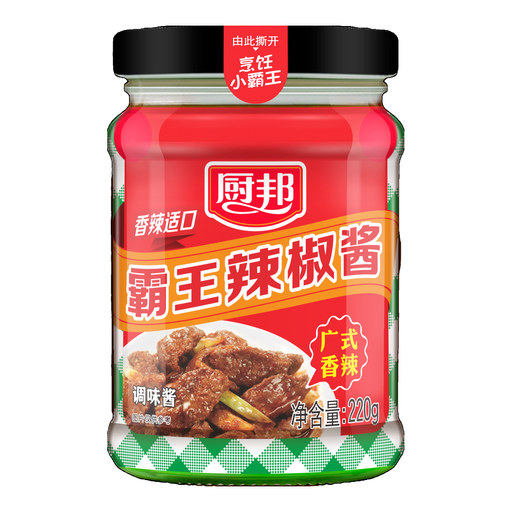
Why this fits the profile: This Chinese chilli sauce contains salted garlic, salted chilli, black beans and sesame. That makes it suitable for dumplings, noodles and stir-fries.
The product information mentions 20% salted garlic and 17% salted chilli. The flavour profile is therefore easier to judge than with a sauce that only makes a general claim about heat.
220g; pronounced garlic and bean flavour; contains soya, wheat and sesame as listed allergens.
We’ve put together a full, up-to-date list of products that fully meet these strict selection criteria and comply with current European safety regulations.
That depends on the texture you want. A smooth sauce like Go-Tan mixes easily through noodles. A garlic chilli sauce or chilli oil adds more aroma and a richer texture. Always check the allergen information for sauces containing soya, wheat, sesame or peanuts.
This varies by product. Follow the instructions on the label: some sauces can be stored in a cool, dry place, while others need to go in the fridge after opening. Use a clean spoon and seal the jar or bottle well to preserve the quality as best you can.
Start with a small amount, for example half a teaspoon per serving, and gradually add more. This way you can control the heat and salt better. With concentrated chilli paste or chilli oil, less is often enough compared to a thin table sauce.
