
Vandaag of morgen in huis

Kwaliteit gegarandeerd

Welkomstaanbiedingen ontgrendelen: GRATIS bezorging | Tot 80% korting | Gratis 30 dagen JoyPlus-proefperiode
Download de app
A bottle of chilli sauce seems easy to choose, until you look at the ingredients list. One variety is mainly sweet, another is sour and runny, while sambal or chilli paste contains pieces of pepper, oil or fermented ingredients. Terms such as “extra hot” do not always tell you how much heat to expect, either.
Use this practical guide to compare flavour, uses, nutritional values, allergens and storage instructions. That way, you can buy a chilli sauce to suit your nasi, noodles, stir-fry, barbecue, tacos or sharing platter.
A hot sauce might be sour, sweet, smoky, garlicky or savoury, thanks to ingredients such as soy and fermented foods. Sriracha often contains sugar and garlic, while Tabasco is made mainly from vinegar, red pepper and salt. If you only look for the word “hot”, you could end up with a sauce that doesn’t suit your dish.
So check the first ingredients listed. If sugar is near the top, the sauce is usually quite sweet. In sambal or chilli paste, pepper, oil, salt or fermented ingredients are often listed more prominently.
A 280 or 425-gram jar might look like a good deal, but fermented chilli oil or Chinese chilli sauce may need to be refrigerated after opening and can contain quite a lot of salt. If you only use a tablespoon now and then, a smaller bottle may be more practical.
Always check the storage instructions after opening. Some products need to be refrigerated and used quickly; others can be kept in a cool, dry place, according to the packaging.
Sambal and Asian chilli sauces may contain soy, wheat, sesame, peanuts, crustaceans or fish. Prima Taste Sambal Chilli, for example, contains shrimp paste. Go-Tan Original Wok Chilli Garlic lists soy, cereals containing gluten, anchovies, fish, crustaceans and oysters.
If you have an allergy, always read the label on the specific packaging. Recipes and packaging information can change.
Choose the consistency to suit your needs:
A Mexican chilli sauce such as Cholula goes well with nachos and other Mexican dishes. Chinese chilli sauce with fermented soy is better suited to rice, noodles or stir-fries.
The percentage of pepper can help you compare products, but it won’t tell you exactly how hot one will taste. Red Phoenix Sriracha Extra Hot lists 38% ground red pepper and 28 grams of sugar per 100 grams. Go-Tan Original Chili Sauce contains 3.2% red pepper and 41 grams of sugar per 100 grams. These have clearly different flavour profiles.
Also look out for:
Use nutritional values as a point of comparison, not as a health claim.
Before buying, check the allergen information and net quantity. A 170 or 300-gram tube of gochujang is handy for controlled portions, while a 425-gram jar may suit a household that often cooks Asian food.
Also check:
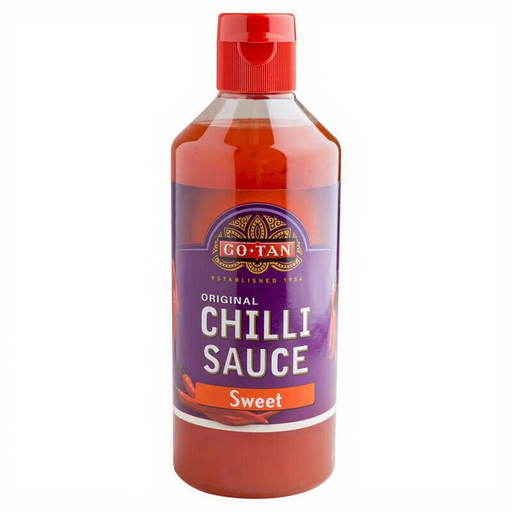
Why it suits this profile: This smooth sauce works both as a table sauce and for cooking. It contains no garlic and has a mildly sweet flavour.
The ingredients and nutritional values make it clear that sugar is an important component. This makes the flavour less of a surprise than with a purely sour or savoury hot sauce.
500 ml; smooth consistency with no coarse pepper seeds; according to the product information, free from the 14 main EU allergens.
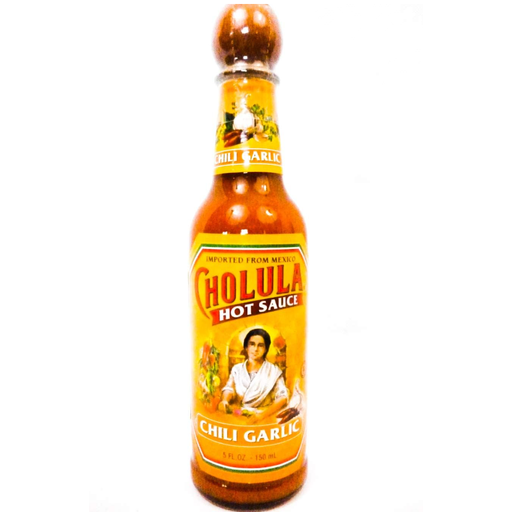
Why it suits this profile: This Mexican chilli sauce combines garlic with Arbol and Piquin peppers. It’s designed as a dip for nachos and other Mexican dishes.
The product description names the types of pepper and the garlic flavour, so you don’t have to rely on a general description such as “hot”.
150 ml; made in Mexico, according to the product information; suitable as a dip and flavouring.
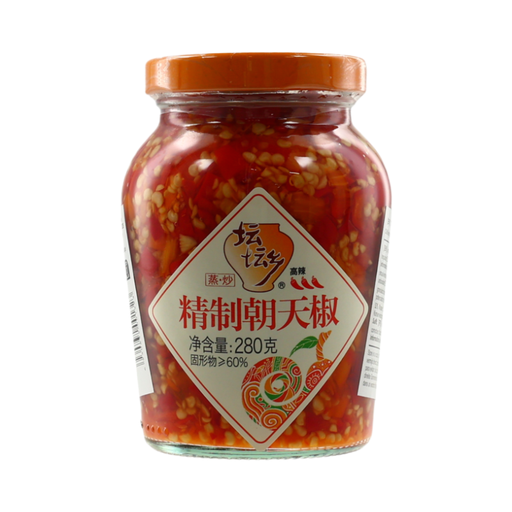
Why it suits this profile: The jar contains 52% chilli, according to the product information, and is suitable for stir-fries, noodle soup, dumpling dips, rice and cold starters.
The pepper percentage, stated fermentation and low sugar content tell you more than the phrase “extra hot” alone. The product description says to refrigerate the jar after opening.
280 grams; 52% chilli; according to the label, 1.6 grams of carbohydrates and 0.8 grams of sugar per 100 grams; suitable as a dip and cooking ingredient.
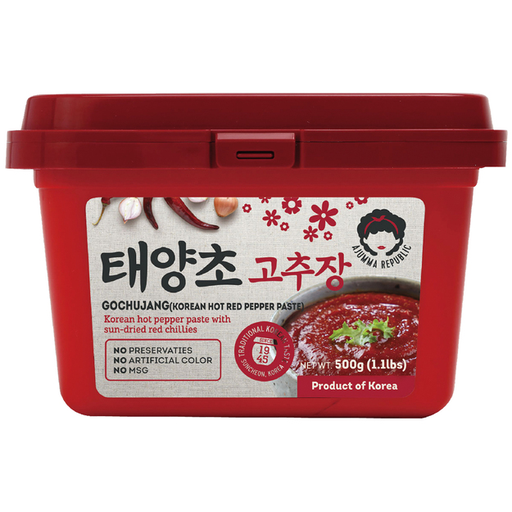
Why it suits this profile: This Korean chilli paste is intended for soups, stews, marinades, bibimbap, kimchi and dipping sauces.
Its intended uses are clearly described, so you won’t accidentally buy this thick paste as a thin table sauce. The label lists wheat and gluten.
500 grams; suitable for marinades, soups and stir-fries; product information states that it originates from South Korea.
We’ve put together a complete, up-to-date list of products that meet these strict selection criteria and the applicable European safety regulations.
For nasi and noodles, try sambal, chopped chilli or chilli oil. Garlic chilli sauce works well in a stir-fry if you want a sweet and savoury flavour as well as heat. If you’re buying chilli oil, check whether it contains peanuts, soy or sesame.
Sambal is usually thicker and contains ground or chopped peppers. Chilli sauce is often runnier and may contain more vinegar or sugar. The exact consistency varies from recipe to recipe. Sambal oelek usually has a simpler ingredient list, while sambal badjak may contain fried ingredients and extra flavourings.
It varies from product to product, so always follow the packaging instructions. Some sauces can be stored in a cool, dry place, while fermented chilli, gochujang or a jar containing fresh ingredients may need to be refrigerated after opening. Use a clean spoon, seal the jar tightly and check the smell, colour and texture before using the sauce.
