
Vandaag of morgen in huis

Kwaliteit gegarandeerd

Welkomstaanbiedingen ontgrendelen: GRATIS bezorging | Tot 80% korting | Gratis 30 dagen JoyPlus-proefperiode
Download de app
A bottle of chilli sauce might seem simple to choose, but there’s a big difference between a sharp hot sauce, sweet Thai chilli sauce and a punchy sambal. The wrong variety can overpower a dish, sit unused in the fridge or simply not suit the way you eat.
For home cooks and fans of spicy food, there are three common pitfalls to watch out for:
So, a good choice starts with how you plan to use it: do you want chilli sauce for dipping, marinating, stir-frying or adding in small amounts as a seasoning?
Check which ingredients appear near the top of the list. According to the product information, Tabasco Red Pepper Sauce is made with vinegar, red pepper and salt. The bottle contains 60 ml and is intended to be used in small amounts. This type of hot sauce is a good choice for pizza, pasta, meat and other dishes when you mainly want to add sharpness and heat.
Sambal or red chilli paste often contains more chilli and less vinegar. According to the product information, Flower Sambal Jeanette is made with 92% Madam Jeanette peppers and contains salt and acidity regulators. This type of sambal works well with rice dishes, Surinamese food and dishes where you want a distinct chilli base.
Sweet chilli sauce has a different emphasis. According to the product specification, Sunlee Sweet Chili Sauce contains sugar, water, red chilli and garlic. This Thai chilli sauce is therefore best suited to dipping or adding a sweet-and-spicy touch to snacks, spring rolls and grilled dishes.
Nutritional information helps you compare products more fairly. According to the product information, Red Phoenix Sriracha Extra Hot contains 28 grams of sugar and 7.2 grams of salt per 100 grams. The sauce also contains 38% ground red chilli and is intended for dips, marinades and stir-fries.
Fermented ingredients also play a part in chilli paste and Korean chilli sauce. Gochujang typically contains rice or grains, red chilli and fermented soya. Sempio Korean Red Pepper Paste lists ingredients including chilli pepper, fermented rice paste and soya. The product information describes it as moderately hot with a smoky, spicy flavour; this is a description of the product, not a universal guarantee of taste.
Also consider the pack size. A 60 ml bottle is handy for occasional use, while packs of 500 grams or more are better suited to people who regularly stir-fry, marinate or prepare Korean dishes.
Always read the label, especially for fermented sauces. Gochujang may contain soya, wheat and gluten. Sempio explicitly lists these allergens. According to the product information, Juan Cheng Sichuan sauce contains broad beans and wheat, among other ingredients. Haidilao Spicy Chili Sauce lists soya and sesame.
Less obvious ingredients can matter too. According to the product information, Mae Pranom Thai Chili Paste contains dried prawns and prawn paste. This is important if you have a crustacean allergy.
After opening, follow the storage instructions on the packaging. Many products need to be kept in the fridge and served with a clean spoon. Always check the current packaging too: product information, ingredients and allergens may change.
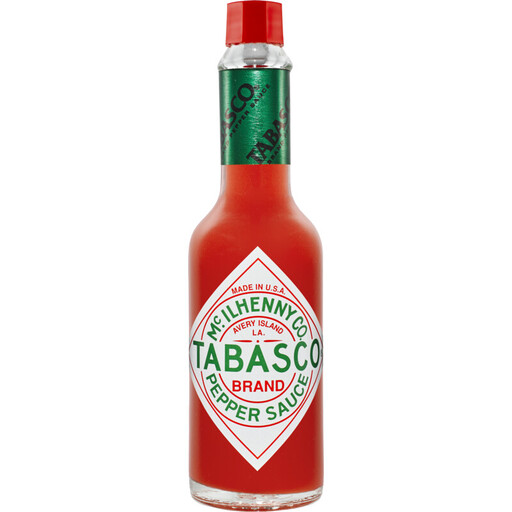
Why it suits this profile: The small bottle is practical if you want to try a classic hot sauce without stocking up on a large quantity. According to the product description, a few drops are all you need to add flavour to your dishes.
The 60 ml size helps reduce waste. The ingredient list is short: vinegar, red pepper and salt.
60 ml; three listed ingredients; works well with pizza, meat and pasta sauce.
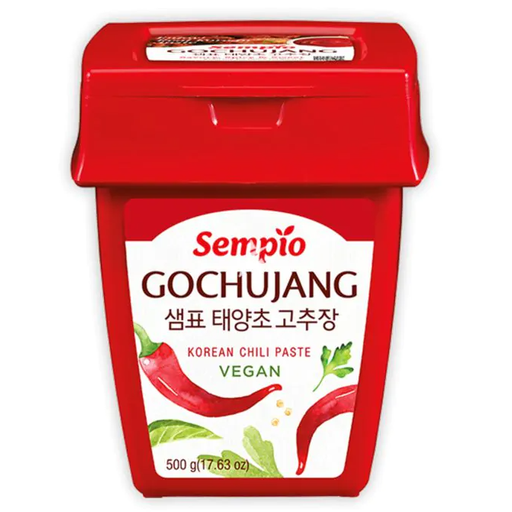
Why it suits this profile: This Korean chilli sauce is for anyone looking to add depth to marinades, stir-fries, dips and soups. The 500-gram pack is ideal for regular use.
The product specification clearly lists the ingredients and allergens, including soya, wheat and gluten. This makes it easier to decide if the sauce is right for you.
500 g; suitable for marinades and stir-fries; fermented rice and soya base according to the product information.
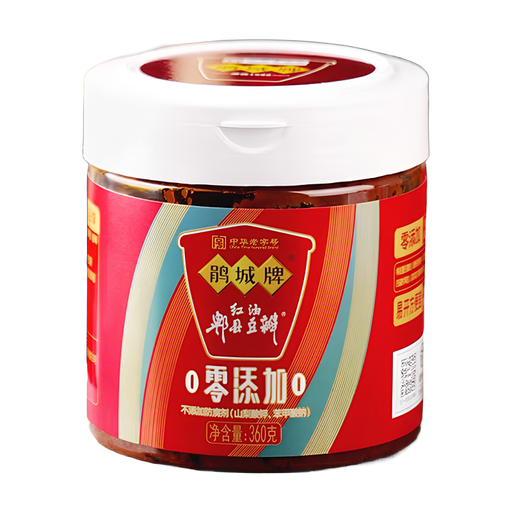
Why it suits this profile: This Sichuan sauce is for cooks looking for an aromatic base for stir-fries, stews and other Sichuan dishes.
The product description gives a specific cooking method: heat about 20 grams in oil until fragrant, then add the remaining ingredients.
360 g; contains red chilli and broad beans; suitable as a cooking base for Sichuan dishes.
We’ve put together a complete, up-to-date list of products that meet these strict selection criteria and current European safety requirements.
Chilli sauce is a broad term for sauces made with red chilli. A hot sauce often contains vinegar and has a thinner consistency. Sambal is usually thicker, with chilli as its main ingredient. Chilli paste or gochujang often contains additional ingredients such as rice, soya, garlic or spices, and is widely used in cooking and marinades.
Sweet Thai chilli sauce, sriracha or Cholula Original Hot Sauce are often good choices for dipping. The right one for you depends on whether you prefer sweet, sharp, garlicky or drier chilli flavours. If you choose sweet chilli sauce, check the sugar content on the label.
It varies from product to product. Store the bottle or jar according to the label, close it tightly and use clean cutlery. Products containing oil or fresh ingredients, or with a paste-like consistency, often need to be refrigerated after opening. Check the shelf-life information and stop using a product if its smell, colour, packaging or consistency has noticeably changed.
