
Vandaag of morgen in huis

Kwaliteit gegarandeerd

Welkomstaanbiedingen ontgrendelen: GRATIS bezorging | Tot 80% korting | Gratis 30 dagen JoyPlus-proefperiode
Download de app
Buying Thai chilli sauce seems simple, until you have to choose between sweet chilli sauce, sriracha, a hot chilli sauce or a concentrated Thai chilli paste. The packaging may look a similar shade of red, but the flavour, uses and ingredients can vary significantly.
There are three common pitfalls for home cooks in the UK:
The right choice therefore depends on your dish, preferred heat, ingredients and how often you’ll use it.
An Asian dipping sauce is usually ready to use straight away. Think spring rolls, chicken, tofu, snacks or grilled vegetables. Sriracha sauce is generally thinner and hotter, and works well as a topping, a flavour boost for noodles or an addition to a burger or stir-fry.
Thai chilli paste is more concentrated. Use it as a base for soup, curry, fried rice or a marinade, for example. For tom yum, you’ll need a specific tom yum paste; ordinary sweet chilli sauce will add sweetness, but won’t give you the characteristic combination of sour, fragrant and spicy flavours.
Also check whether the product is intended as a:
The percentage of chilli gives you a useful indication, but it isn’t the only factor that determines how hot a sauce tastes. Vinegar, sugar, garlic and thickeners all affect the balance.
For example:
Compare nutritional values per 100 grams or 100 millilitres, rather than per serving alone. This gives you a better idea of how much sugar and salt you’re adding. Product page details can change, so always check the label on the packaging you receive.
Look out for ingredients such as soya, wheat, peanuts, prawns and fish. Tom yum paste or Thai chilli paste, for example, may contain shrimp paste or fish sauce. This may make a product unsuitable for some people, while another chilli sauce could be a better fit.
Also check:
A large pack makes most sense for families, people who cook stir-fries frequently and catering businesses. If you’ll only use it occasionally, a smaller bottle is often more practical, even if the price per millilitre is higher.
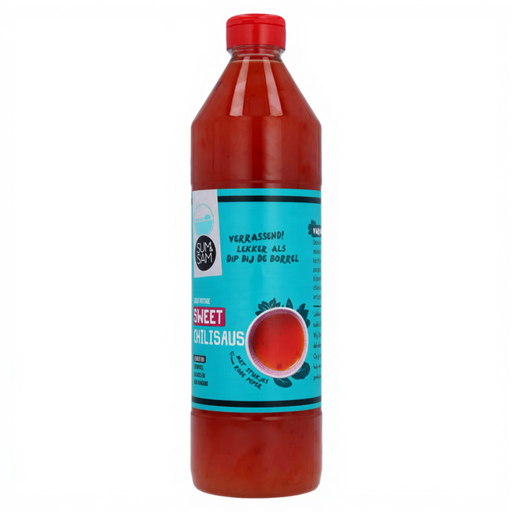
Why it suits this profile: The generous bottle is handy if you regularly make dips, marinades and simple Asian dishes.
The product information clearly describes a sweet-and-spicy profile and a 700 ml size. You’ll know upfront that this isn’t an extra-hot sauce or a concentrated curry paste.
700 ml pack; suitable as a dip and flavour enhancer. According to the listed ingredients, the sauce contains 4% chilli pepper.
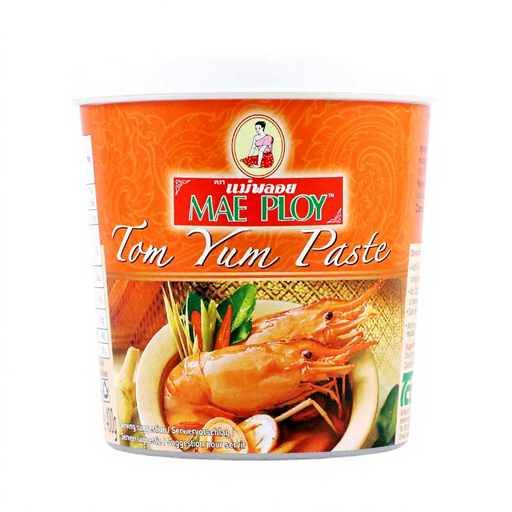
Why it suits this profile: This concentrated paste is for cooks looking for a distinctive tom yum flavour, rather than a general-purpose chilli sauce.
The product information gives a preparation ratio of 50 g of paste to 600 ml of water. This makes it easier to measure than a general-purpose table sauce.
400 g pack; according to the ingredients, it contains lemongrass, galangal, tamarind, shrimp paste and fish oil, among other ingredients.
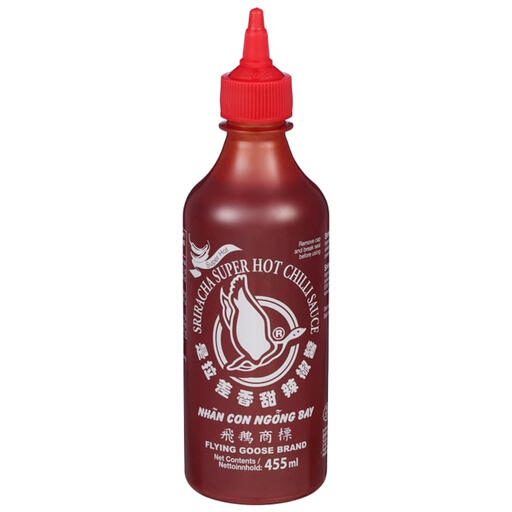
Why it suits this profile: The larger bottle is a good fit for frequent hot sauce users, whether in stir-fries and marinades, with snacks or as a table sauce.
The name explicitly says “Extra Hot”, and the product information lists 70% chilli. This makes it easier to judge the heat than with a generic red chilli sauce.
455 ml pack; according to the product information, it’s suitable for dips, marinades, stir-fries and seasoning.
We’ve put together a full, up-to-date list of products that meet these strict selection criteria and the applicable European safety regulations.
Sweet chilli sauce for chicken is usually the most straightforward choice. Its sweet, tangy and mildly spicy flavour works well as a dip, marinade or glaze. Check the sugar content, and if you’re using it as a glaze, add it towards the end of cooking so it’s less likely to catch.
Sriracha sauce is generally hotter and thicker, with a stronger emphasis on chilli, garlic and acidity. Sweet chilli sauce usually contains more sugar and is milder. Use sriracha with noodles, burgers and stir-fries; choose sweet chilli sauce for spring rolls, chicken, tofu and snacks.
It varies by product. Store the bottle or jar according to the label, close it tightly and use a clean spoon when serving paste. Some products need to be refrigerated after opening and used within a stated period. Always check the packaging rather than assuming a standard shelf life.
