
Vandaag of morgen in huis

Kwaliteit gegarandeerd

Welkomstaanbiedingen ontgrendelen: GRATIS bezorging | Tot 80% korting | Gratis 30 dagen JoyPlus-proefperiode
Download de app
Are you looking to buy chilli sauce for noodles, rice, dumplings, hotpot or stir-fries? You will soon come across a broad selection of Chinese chilli sauce, chilli oil, chilli crisp, pickled peppers and chilli powder. These products may look similar, but they can differ considerably in flavour, texture, salt content and uses.
A jar that sounds delicious on the label may turn out to be too salty, lack texture or simply not suit your dish. Use these checks to avoid a disappointing purchase and find a product that fits your cooking style more easily.
‘Hot’ says little about the overall flavour. A product can be fiery while also being sour, sweet, smoky, fermented or savoury. Hunan chilli sauce, for example, often contains chopped chillies, garlic and salt. Sichuan chilli sauce or chilli oil may also contain Sichuan pepper, fermented black beans or sesame.
So first consider what you will use the sauce for:
With chilli crisp, a large proportion of the weight consists of oil. So do not look only at the jar size; also check the amount of chilli, peanuts, beans or other solid ingredients. Lao Gan Ma Peanut Chilli Oil, for example, lists 22% chilli flakes and 15% peanuts. This gives it a different bite from a smooth chilli sauce.
Oil and solid ingredients can separate during storage. This is normal for this type of product. Stir the jar thoroughly according to the instructions before serving.
Asian flavourings regularly contain peanuts, soya, wheat, sesame or sulphites. Always check the label, especially when cooking for several people. Salt levels also vary considerably. According to the nutritional information provided, some pickled peppers and fermented sauces contain around 9 to 12 grams of salt per 100 grams.
Product information on an online shop may change. When your order arrives, also check the packaging, allergen information, best-before date and storage instructions.
Chinese chilli sauce may be based on oil, fresh peppers, dried chilli, black beans or fermentation. Sichuan pepper is described in the product information as providing a distinctive, aromatic flavour; it is not the same as adding extra chilli. Hunan-style chopped chilli often contains coarsely chopped fresh peppers with garlic and salt.
For Thai dishes, green chilli with vinegar may be a more suitable choice than a rich Chinese chilli oil. For Korean recipes, a red pepper paste made with fermentation and a rice base is a better fit.
Pay attention to the description:
A jar of 200 to 280 grams is practical for home use. Larger packs, such as 454 grams of chilli powder or pickled green chilli, are more worthwhile if you cook frequently or prepare food for several people. Check whether the product needs to be refrigerated after opening. Various fresh or chopped chilli products state that they should be chilled after opening, while some dry or oil-based varieties can be stored in a cool, dry place.
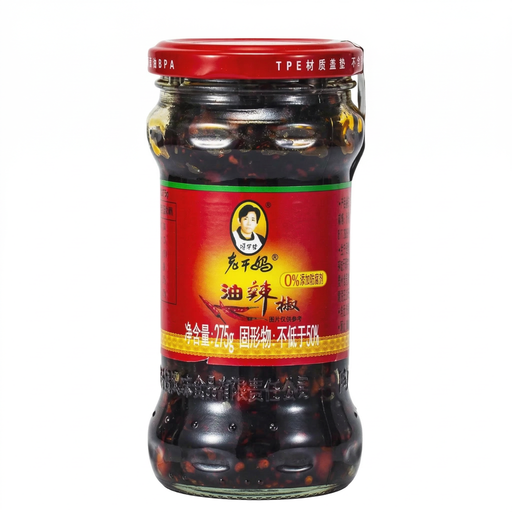
Why it suits this profile: A versatile starting point for rice, noodles, dumplings and stir-fries. The combination of oil, chilli flakes and peanuts adds texture straight away, without having to make your own chilli oil.
The stated percentages for chilli flakes and peanuts make the composition easier to compare than a description that only mentions ‘extra hot’. Do bear in mind that it contains peanuts, soya and wheat.
275 grams; 22% chilli flakes; 15% peanuts; ready to use as a topping or flavour enhancer.
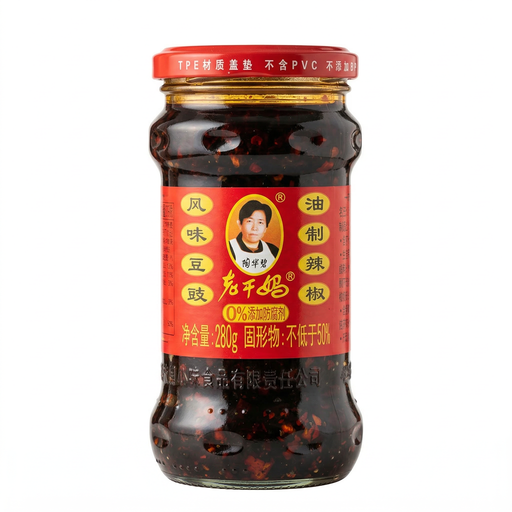
Why it suits this profile: For anyone looking for a savoury, fermented flavour alongside the heat. This variety works well with mapo tofu, stir-fried meat, rice and noodles.
The product description mentions black beans, red chilli and Sichuan pepper. This tells you in advance that it is not a neutral, smooth chilli sauce. The salt content is 8.0 grams per 100 grams.
280 grams; oil with fermented black beans; suitable as an instant flavour enhancer and as a base for cooking.
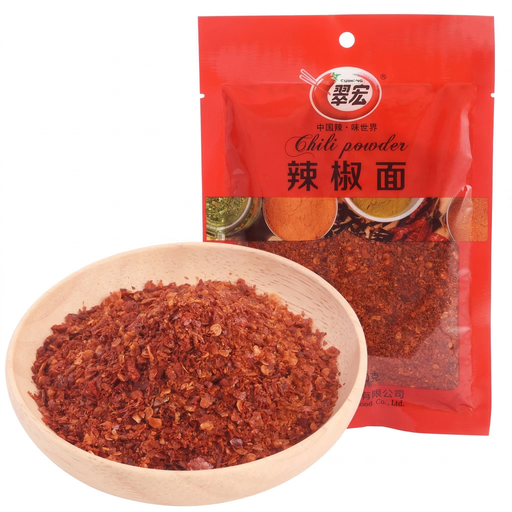
Why it suits this profile: Handy for home cooks and catering professionals who want to control the heat and ingredients themselves. Use it in hotpot dips, marinades, stir-fries or homemade chilli oil.
Powder can be measured for each recipe. The ingredients list includes chilli, rapeseed oil, sesame and spices; check the sesame allergen information before use.
100 grams; suitable for chilli oil, dry dips, marinades and Sichuan dishes; easy to adjust the quantity.
Looking for a sambal alternative with acidity and bite? According to the product information, Cock Brand Thai Green Chili with Vinegar contains 44% green chilli and is intended as a condiment, side dish or ingredient. For a Hunan-style flavour profile, Tantanxiang Premium Chopped Chili and the garlic version are suitable options to compare.
If you prefer to mix your own, you could choose Shan Yuan Dried Chilies, Delief Red Pepper Powder or Liu Po Chili Powder. Dried chillies can be used whole in stews, crumbled over noodles or made into your own chilli oil. With Liu Po, pay attention to the stated sesame content and salt level.
We have put together a complete, up-to-date list of products that fully meet these strict selection criteria and the applicable European safety regulations.
Chilli crisp and chilli oil work well with noodles because they combine oil with solid pieces. A fermented black bean sauce adds greater savouriness. Start with a small amount and add more later if needed.
Always follow the label. Oil-based products may need to be stored in a cool, dry place, while fresh, chopped or pickled chilli products often belong in the fridge after opening. Always use a clean spoon and seal the jar tightly.
That depends on the pack size and how you use it. Chilli powder gives you more control and can be used for chilli oil, rubs and dips. Ready-made sauce is more convenient when you want to add flavour quickly without mixing extra ingredients.
