
Vandaag of morgen in huis

Kwaliteit gegarandeerd

Welkomstaanbiedingen ontgrendelen: GRATIS bezorging | Tot 80% korting | Gratis 30 dagen JoyPlus-proefperiode
Download de app
A bottle of chilli sauce might seem like a straightforward choice, but there’s a big difference between sweet chilli sauce, hot sauce, sriracha and sambal. One variety goes well with spring rolls and chicken, while another is better suited to noodles, marinades or stir-fries.
Most disappointing purchases come down to three common pitfalls:
The right choice depends on how you plan to use it.
Sweet chilli sauce typically contains sugar, chilli, garlic, vinegar and salt. That makes it a good match for chicken, spring rolls, prawns, snacks and crudités. It’s usually mild to slightly hot, and can also be used as a marinade or glaze.
Check the sugar content. For example, Sweet Chilli Sauce for Chicken 730ml lists 41 grams of sugar per 100 grams. This makes it a good choice for a sweet and spicy finish, but less suitable if you’re after a dry, sharp chilli flavour.
A hot sauce such as Tabasco, Cholula or Encona is usually thinner and more acidic. You’ll often need just a few drops or a small splash in soup, pasta, pizza, eggs or a sandwich.
According to the product information, Tabasco Red Pepper Sauce contains only vinegar, red pepper and salt. Its ingredients list is simple, but the vinegar flavour is pronounced. Encona Hot Pepper Sauce uses cayenne peppers, vinegar and spices, and is intended for dips, marinades and stews, among other dishes.
Sriracha sauce combines chilli, garlic, sugar and acidity. Flying Goose Sriracha Chilli Sauce Extra Hot lists 70% chilli, making it a good choice if you’re looking for plenty of heat. Use it in noodles, stir-fries, mayonnaise and marinades, or serve it as a dip.
Chilli paste is often thicker and more intense in flavour. Gochujang is a Korean fermented chilli paste made with ingredients including rice, soya or wheat, depending on the product. It works well in marinades, stews, bibimbap, noodles and sauces. If you have an allergy, always check whether the product contains soya, wheat or gluten.
Sambal is a good choice when you want a concentrated chilli base for nasi, rice, soup, meat or stir-fries. Flower Sambal Badjak Hot contains ingredients including ground red chillies, onion, garlic, oil and spices.
Thai chilli sauce or chilli paste often contains garlic, tamarind, prawns or fermented fish. Korean chilli sauce such as gochujang usually has a thicker consistency and a sweet, savoury, fermented flavour. Vietnamese chilli sauce is often smoother and sweet with a little heat; CHINSU Chili Sauce, for example, lists chilli, garlic, tomato and sweet potato among its ingredients.
Don’t just look at the percentage of chilli; check the first ingredients on the list too. If sugar is near the top, sweetness is likely to be a key part of the flavour. Chilli pastes may contain soya, wheat, sesame, peanuts, prawns or fish.
For example:
There’s no universal scale that all brands use to describe how hot their sauces are. Check the description, the proportion of chilli and the ingredients instead.
A product with plenty of vinegar, such as Tabasco, tastes different from a thick gochujang or a sweet Thai chilli sauce. For chilli sauce for chicken, a sweeter variety often works well as a glaze. For chilli sauce for noodles, sriracha, sambal or Korean chilli paste is a better choice if you want more garlic, fermented notes or savoury depth.
When trying a new hot sauce, start with a small amount. You can then build up the flavour without overpowering your dish.
For occasional use, a 60 to 200 ml bottle is a manageable size. For families, regular home cooks or catering businesses, packs of 455 to 850 ml are more practical. Compare the price per 100 ml as well as the price of the bottle.
According to the product information, many products need to be refrigerated after opening. This applies to several chilli pastes and some sauces. Keep the bottle tightly closed and out of direct sunlight, and check the use-by information on the packaging. Don’t use the product if the packaging is damaged.
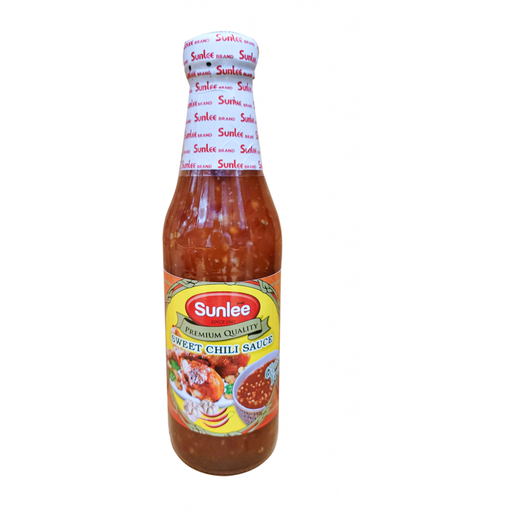
Why it suits this profile: This size is ideal for trying sweet chilli sauce with snacks, chicken, marinades and salads without committing to a large bottle.
The product information describes a mild, sweet and spicy sauce, with clear suggestions for using it in dips, marinades and stir-fries.
300 ml; according to the product information, it contains none of the 14 major EU allergens. It can be used as a dip, glaze or dressing.
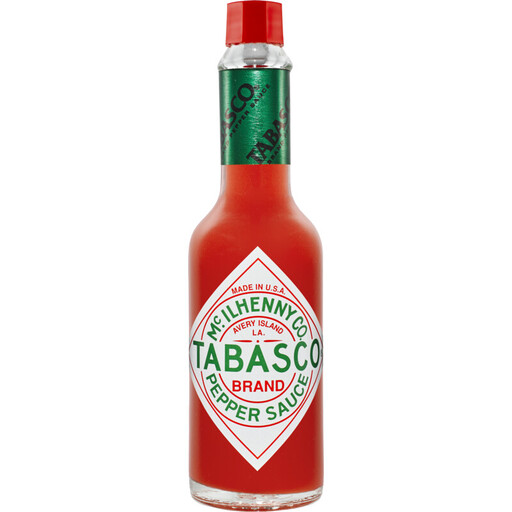
Why it suits this profile: This sauce is designed to be added a little at a time to pizza, meat, pasta, soups and other everyday dishes.
According to the product information, the ingredients list is short: vinegar, red pepper and salt. So you know the sauce will be mainly sour and hot, rather than sweet.
60 ml, 16 kcal per 100 grams according to the nutritional information provided, and easy to measure out drop by drop.
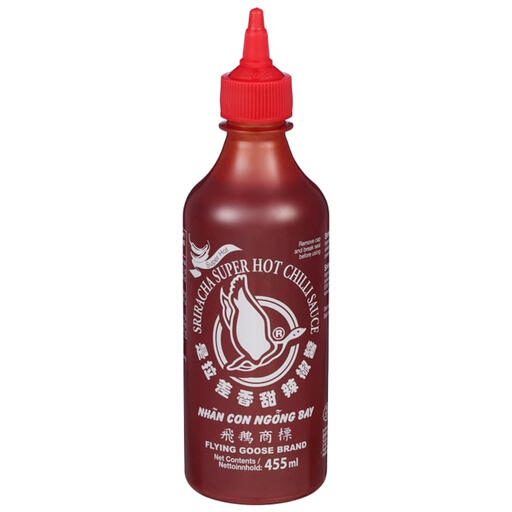
Why it suits this profile: The larger bottle is a good fit for home cooks, fans of spicy food and smaller catering kitchens that use sriracha regularly.
The Extra Hot label and stated 70% chilli content make it clear that this isn’t a mild table sauce, so you know what to expect.
455 ml; suitable for dips, marinades, stir-fries and seasoning. The product information lists none of the 14 major EU allergens.
We’ve put together a complete, up-to-date list of products that meet these strict selection criteria and current European safety requirements.
Choose a sweet chilli sauce as a glaze or dip for chicken. A hotter sriracha, sambal or hot sauce is a better option if you mainly want to add heat. Add a sweet sauce towards the end of cooking to help prevent it from sticking and burning.
It depends on the product. Follow the storage instructions on the label. Several chilli pastes need to be refrigerated after opening, while other sauces say to store them in a cool, dry place. Always seal the bottle or jar tightly.
Check the use-by date on the packaging and any guidance on how long the sauce will keep once opened. Store it as instructed, and don’t use it if the packaging is damaged or the product’s smell, colour or consistency has clearly changed.
