
Vandaag of morgen in huis

Kwaliteit gegarandeerd

Welkomstaanbiedingen ontgrendelen: GRATIS bezorging | Tot 80% korting | Gratis 30 dagen JoyPlus-proefperiode
Download de app
A bottle of chilli sauce seems easy to choose, until you are standing in front of the shelf or browsing an online range. Are you mainly looking for heat, a sweet dipping sauce, an Indonesian sambal or a Korean chilli paste? Marketing copy often uses the same terms, even though the ingredients and intended uses can differ considerably.
The following pitfalls regularly lead to disappointing purchases:
First decide what you need the sauce for. A dipping sauce for spring rolls or prawn crackers can be thick and sweet. For stir-fries, noodles and marinades, a thinner chilli sauce or chilli paste is often easier to use.
Do not just look at the front of the packaging. The ingredients list shows the role chilli plays in the product. According to the product information, Windmill Sambal Oelek contains 86% chillies. Inproba Sweet Chilli Sauce has a stated chilli content of 7.4%, alongside a high proportion of sugar.
The nutrition table is useful too. In the examples, the stated sugar content ranges from 0 g per 100 g for Flower Sambal Jeanette to 48 g per 100 g for Sunlee Sweet Chilli Sauce. Salt content also varies considerably. Use these figures as a basis for comparison, particularly if you use the sauce frequently or in larger quantities.
Check the allergens and label instructions before buying. Samyang Buldak Sauce, for example, lists soya and wheat. Gochujang often contains soya and wheat because of its fermented ingredients. XiangJi No. 1 lists peanuts and sesame, while Tan Tan Xiang contains soya and may contain other allergens due to shared production lines.
Also check:
The product page is useful for an initial comparison, but the current packaging takes precedence for ingredients, allergens and instructions for use.
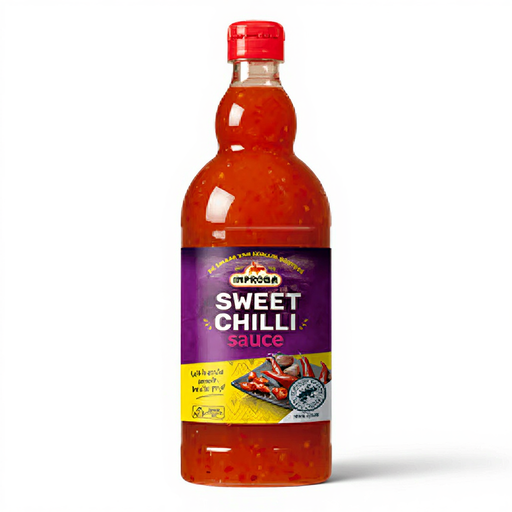
Why it suits this profile: The sweet, mild style is approachable for anyone buying an Asian sauce for the first time. The large bottle is ideal for regular use as a dip, marinade or addition to grilled chicken.
The product information states that it contains 7.4% chilli, giving you more useful information than the term “sweet chilli” alone.
850 ml, none of the 14 major EU allergens listed, and suitable for dips and marinades.
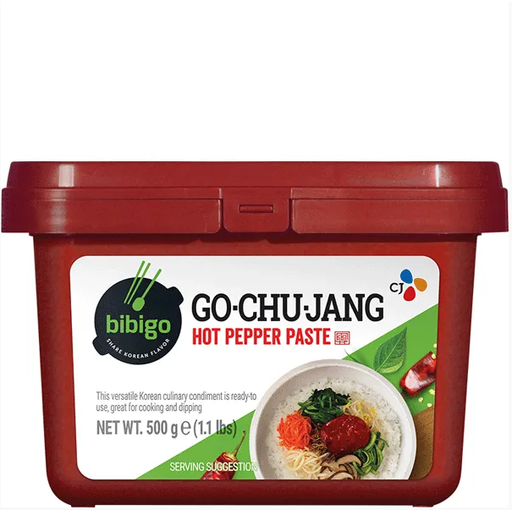
Why it suits this profile: According to the product description, this Korean chilli paste is vegan and intended for dishes including bibimbap, stews, stir-fries and marinades.
The product information clearly identifies it as vegan and lists soya and wheat as allergens, allowing you to check the details with confidence.
570 g, fermented red pepper paste according to the product description, and suitable for a range of Korean dishes.
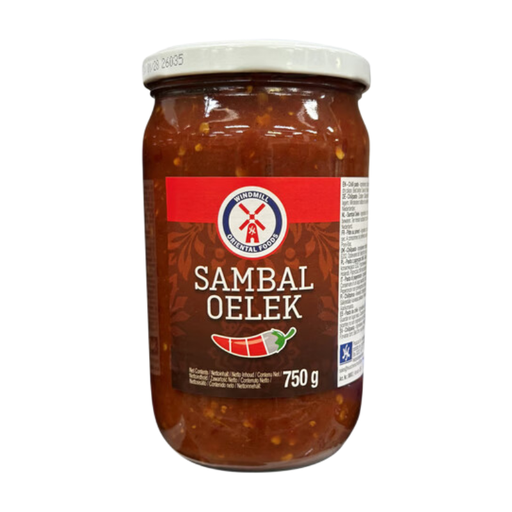
Why it suits this profile: The large jar is aimed at households that cook frequently, or at use in a professional or semi-professional kitchen. The paste can be added directly to nasi goreng, noodles, soups and marinades.
The 86% chilli content is more specific than a general claim about spiciness. You know you are buying a distinctly chilli-forward paste.
750 g, five listed core ingredients, and a versatile sambal oelek for cooking and serving.
We have put together a complete, up-to-date list of products that fully meet these strict selection criteria and the applicable European safety regulations.
Chilli sauce is generally a broader category. A liquid hot sauce often contains vinegar and is intended to be drizzled or added drop by drop. Sambal is usually thicker and made with ground chillies. Sambal oelek has a direct pepper flavour, while sambal badjak can be fried and more highly spiced. Check the ingredients list, as recipes vary by brand.
For stir-frying, you can choose a thin chilli sauce, sambal or gochujang. Sweet chilli sauce is particularly suitable as a glaze or marinade, but pay attention to the sugar content when heating it to a high temperature. It is best to add the sauce later in the cooking process and follow the instructions on the packaging.
Always follow the label instructions. Many products recommend storing them in a cool, dry place before opening and keeping them in the fridge afterwards. Seal the bottle or jar securely and do not use the product if the packaging is damaged or if its smell, colour or texture has clearly changed. The shelf life after opening varies from one product to another.
