
Vandaag of morgen in huis

Kwaliteit gegarandeerd

Welkomstaanbiedingen ontgrendelen: GRATIS bezorging | Tot 80% korting | Gratis 30 dagen JoyPlus-proefperiode
Download de app
The chili sauce aisle can be overwhelming. Dozens of jars and bottles compete for your attention, each promising authentic flavours and the perfect amount of heat. Yet, a choice often leads to disappointment. The sauce is too watery, tastes one-dimensional, or is completely unsuitable for the dish you had in mind.
As a Joybuy Product Recommendation Officer, I see where things go wrong every day. Many people fall into the same traps. Before you buy another bottle that will disappear into the back of the fridge, let's look at the most common purchasing mistakes:
To avoid these mistakes, you don't need to study ingredient lists. It's enough to pay attention to a few key points.
A good choice starts with understanding the sauce's function. Not every hot sauce is the same. Pay special attention to the following three characteristics.
The structure of the sauce determines 90% of its application.
Look beyond the pepper. The other ingredients determine the character of the sauce. A good Asian hot sauce has a balance between different flavours:
The origin of the sauce often gives a good indication of its flavour profile and application.
Based on these criteria, we have selected a few popular choices that suit different home cooks and foodies.
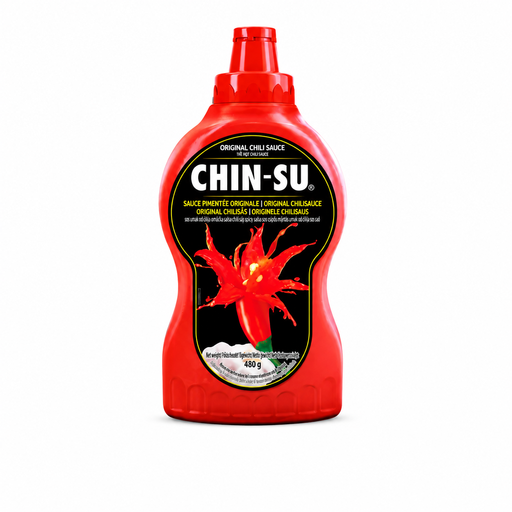
Why This Fits Their Persona: Ideal for those seeking a versatile, non-overpowering hot sauce. The flavour is a perfect balance of sweet, sour, and mild heat, making it an approachable choice for snacks, noodles, or even on a grilled cheese sandwich.
This sauce avoids the one-dimensional heat trap. The addition of tomato and garlic creates a layered flavour that does more than just burn.
The unique, slightly thicker texture (due to the addition of sweet potato) ensures the sauce clings well to food, making it an excellent dipping sauce.
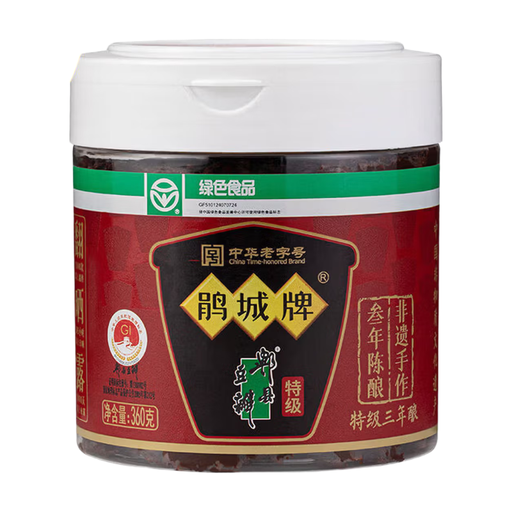
Why This Fits Their Persona: For those who want to bring the authentic taste of Sichuan cuisine into their home. This is not a ready-to-eat sauce, but the foundation for dishes like Mapo Tofu and double-cooked pork. It's the key to deep, savoury umami flavours.
This product solves the 'wrong texture' pitfall by clearly being a cooking paste. The description advises frying it in oil first, which is essential for flavour development.
Premium 'Pixian' grade, which indicates a traditional fermentation process. This provides an unparalleled depth and complexity you won't find in a simple chili sauce.
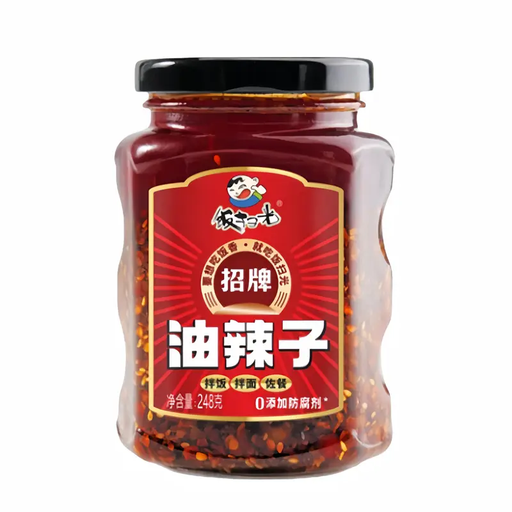
Why This Fits Their Persona: For anyone who loves the fragrant, crunchy texture of chili crisp. This chili oil is more than just oil with flakes; it also contains peas and peanuts for an extra crunch. Perfect as a finishing touch on almost anything.
This is the opposite of a one-dimensional sauce. The focus is on aroma and texture, not just heat. The combination of chili, peanuts, and spices creates a layered taste experience.
Ready to use. No need to cook or mix anything. Spoon it directly from the jar over your rice, noodles, or vegetables for an instant flavour and texture boost.
Didn't find what you were looking for? There are many more varieties to suit your taste and dish. Discover our full, up-to-date selection.
1. What is the difference between sriracha, gochujang, and chili oil? Simply put: sriracha is a liquid, garlic-vinegar based spicy sauce used as a topping or dipping sauce. Gochujang is a thick, fermented Korean chili paste used as a cooking base that provides a deep, savoury flavour. Chili oil is an aromatic oil with chili flakes, focused on texture and aroma, which you drizzle over dishes as a finishing touch.
2. How do I know how spicy a chili sauce really is without vague labels? Look at the ingredients list. If chili peppers (or a specific pepper variety) are listed as the first ingredient, the sauce is likely quite spicy. A high percentage of chili (sometimes listed as ≥50%) is also a reliable indicator. Sauces where sugar or water is listed first are generally milder.
3. How do I store an opened bottle or jar of chili sauce? Most chili sauces, especially those with fermented ingredients or lower salt and vinegar content, should be refrigerated after opening. This helps preserve the flavour and colour and prevent spoilage. Always consult the label on the packaging for specific storage instructions. Use a clean spoon to prevent cross-contamination.
