
Vandaag of morgen in huis

Kwaliteit gegarandeerd

Welkomstaanbiedingen ontgrendelen: GRATIS bezorging | Tot 80% korting | Gratis 30 dagen JoyPlus-proefperiode
Download de app
The hot sauce aisle can be overwhelming. Dozens of jars with colorful labels all promise "authentic flavor" and the "perfect heat." Yet, you often end up with a chili paste that disappoints: too sweet, one-dimensionally hot with no flavor, or full of unnecessary additives. Before you buy another jar that gets lost in the back of the fridge, it's worth knowing a few common pitfalls.
Many manufacturers use the term "authentic" as a marketing gimmick. You think you're buying a traditional sambal or harissa, but the ingredient list is dominated by sugar, water, and flavor enhancers. Another pitfall is the focus on sheer heat. A hot sauce that only brings the burn adds little to your dish. The complexity of smoky, fruity, or savory notes is completely missing.
This guide will help you see through the marketing and find the chili paste that truly suits your taste and your cooking.
To avoid a bad purchase, there are a few specific details you can check directly on the label. These determine the flavor, texture, and quality far more than a flashy design.
Not every hot sauce is the same. The base determines the texture and how you can best use the product.
The ingredient list is your most important tool. Here's what to look for:
The best Asian condiments offer more than just heat. The additions determine the final character.
We've highlighted a few popular choices and matched them to different preferences, making it easier for you to find the right jar.
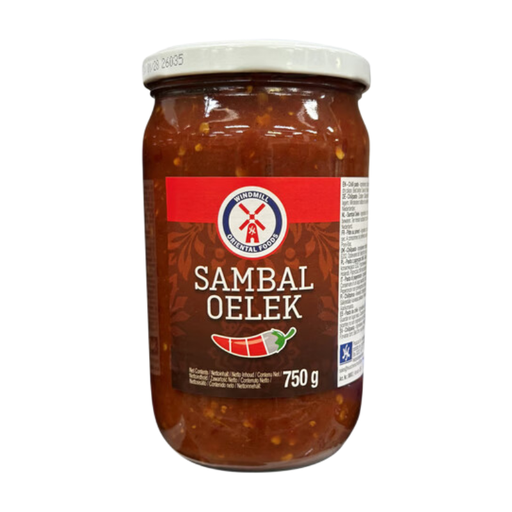
Why This Fits Their Persona: This is a pure, straightforward sambal that serves as a perfect base. You can use it in stir-fries, soups, or marinades without overpowering other flavors. Ideal for those who want to control the final result.
This product avoids the "heat without substance" pitfall. It delivers a pure chili flavor that you can build upon. The ingredient list is short and clear, with no hidden sugars or fillers.
Made with 86% chili peppers for an intense, pure flavor. The large 750g jar offers excellent value for money for frequent use.
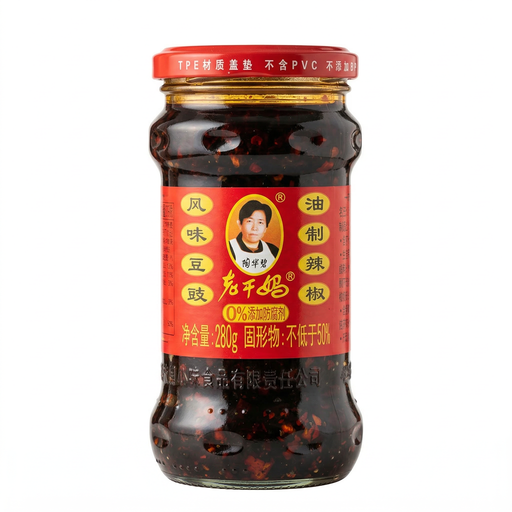
Why This Fits Their Persona: For those seeking deep, savory flavors and an interesting texture. The combination of chili oil and fermented black beans provides a huge umami boost to noodles, rice, eggs, and stir-fries.
This is the opposite of a one-dimensional hot sauce. The flavor is complex, salty, and savory, with a mild heat. It avoids the 'authentic' trap by delivering a very specific and beloved flavor the brand is known for worldwide.
Offers a unique combination of flavor (umami) and texture (crisp). The fermented black beans are the key to its deep, savory taste.
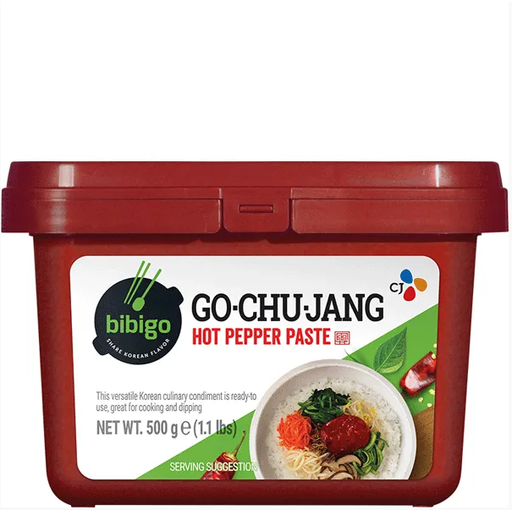
Why This Fits Their Persona: This gochujang delivers the authentic, deeply fermented, and slightly sweet flavor of Korean cuisine, but is 100% vegan. Perfect for bibimbap, marinades, or stews without any animal products.
This product is fully transparent about its ingredients and solves a common problem for vegans: hidden animal products (like anchovies) in fermented pastes. It's a specific, complex condiment, not a generic hot sauce.
Guaranteed 100% vegan. Offers the deep, savory, and slightly sweet flavor characteristic of traditionally fermented gochujang.
The right condiment can transform a dish. If the choices above aren't exactly what you're looking for, check out our full assortment.
The heat level is difficult to gauge from the label, as Scoville units are rarely mentioned. A good rule of thumb is to look at the chili percentage: a higher percentage often indicates more heat. Additionally, ingredients like sugar and oil can temper the spiciness. Always start with a small amount and add more to taste.
In short:
Most chili pastes should be stored in the refrigerator after opening to maintain freshness and prevent spoilage. Oil-based products generally have a longer shelf life. Always use a clean spoon to avoid cross-contamination. The exact storage instructions are always on the packaging.
