
Vandaag of morgen in huis

Kwaliteit gegarandeerd

Welkomstaanbiedingen ontgrendelen: GRATIS bezorging | Tot 80% korting | Gratis 30 dagen JoyPlus-proefperiode
Download de app
As a Joybuy Product Recommendation Officer, I see a lot of products come and go. Especially with something like chili oil, the selection is overwhelming. You're looking for that deep, aromatic flavour that elevates your dish, but you often end up with a jar that either just burns without any taste or is disappointingly flat. It's a common problem.
Before you buy a random bottle of Chinese chili oil, it's wise to know a few common pitfalls that will cost you unnecessary money:
To avoid these mistakes, you don't need to decipher ingredient lists from A to Z. Just pay attention to a few key points that make the difference between a bad purchase and a new pantry staple.
The foundation of any chili oil is, of course, oil and chili. But the details are crucial.
This is perhaps the most important consideration.
By understanding this distinction, you ensure you get the right Sichuan sauce for your dish.
To help you get started, we've highlighted a few products that suit different preferences and applications.
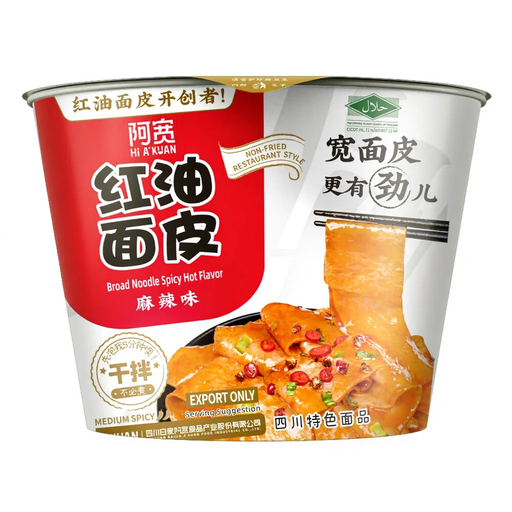
Why This Fits Their Persona: Ideal for students or young professionals who are short on time but still want an authentic, spicy meal. This bowl of spicy instant noodles is a complete solution that offers the perfect introduction to the complex mala flavour of Sichuan.
You don't have to guess the right balance of oil, sauce, and noodles. This product delivers a perfectly calibrated flavour experience, helping you avoid the pitfall of one-dimensional heat.
Non-fried, broad noodles with a pleasant, chewy texture. Ready in 6 minutes for a quick and flavourful meal.
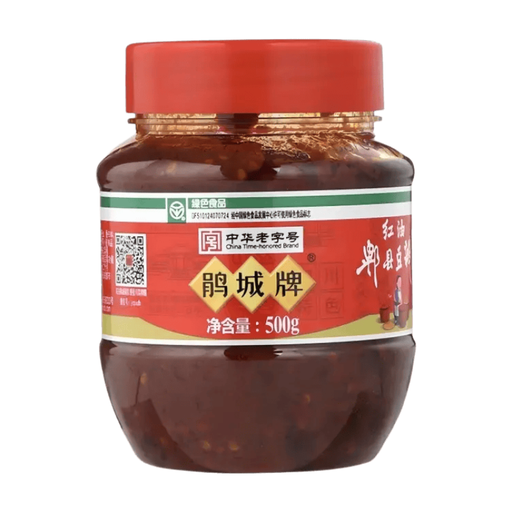
Why This Fits Their Persona: For the foodie searching for the "soul of Sichuan cuisine." This isn't a finishing oil, but the essential doubanjiang cooking base for dishes that require a deep, fermented umami flavour.
This product prevents the classic mistake of using a finishing oil for a stew. It provides the complex, salty, and savoury base that a simple spicy oil can never offer.
Certified as an intangible cultural heritage, which highlights its traditional production method. The bright red oil and rich sauce aromas are released when fried.
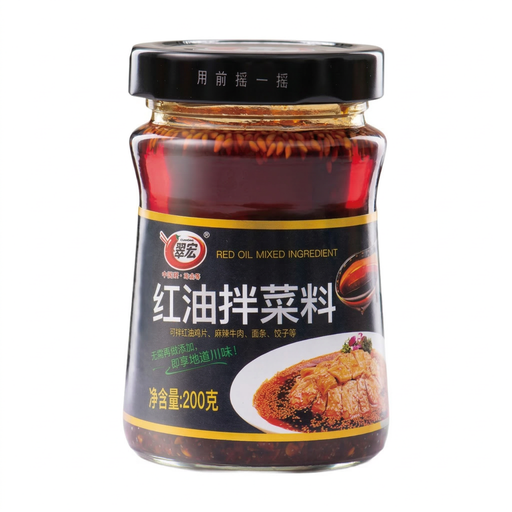
Why This Fits Their Persona: This is a versatile chili crisp that you can use for almost anything: as a dipping sauce for dumplings, a dressing for cold dishes and noodles, or as a finishing touch on a stir-fry. A true all-rounder.
Instead of just being hot, this oil offers a layered flavour and a satisfying texture from the mix of chili, sesame, and spices. It avoids the trap of a bland, one-dimensional oil.
Specially formulated for the authentic "红油" (hóng yóu or red oil) flavour that is essential in Sichuan cuisine for cold dishes. Contains a high percentage of chili (30%) for a deep red colour and robust taste.
We've curated a complete, up-to-date list of products that fully meet these selection criteria and comply with current regulations.
Chili oil is the general term for oil infused with chili peppers. It can be a clear, smooth oil. Chili crisp is a specific type of chili oil that contains crunchy bits of chili, garlic, onion, or other ingredients. It adds texture to a dish in addition to flavour.
Most chili oils, especially those with solid ingredients like chili crisp, are best stored in the refrigerator after opening. This helps to preserve the freshness and flavour of the oil and the crunchy particles. Always check the label for specific storage instructions.
No. Sichuan cuisine is known for its mala flavour, a combination of spiciness (la) from chili peppers and a unique, numbing tingle (ma) from Sichuan peppercorns. The focus is on a complex and aromatic balance of flavours, not just pure heat. Many Sichuan condiments are fragrant and savoury with a mild to medium level of spiciness.
