
Vandaag of morgen in huis

Kwaliteit gegarandeerd

Welkomstaanbiedingen ontgrendelen: GRATIS bezorging | Tot 80% korting | Gratis 30 dagen JoyPlus-proefperiode
Download de app
Supermarket shelves and online stores are filled with jars promising to give your meals a spicy upgrade. But anyone who has ever bought a jar of Chinese chili sauce knows that the contents can vary dramatically. One time you get a silky, aromatic oil; another time, a jar full of crunchy bits; and sometimes, a thick paste that completely transforms your dish.
Choosing the wrong type is a common mistake. Before you toss a random jar into your basket, it's wise to understand the most common missteps that lead to a disappointing purchase.
To make the right choice, it's helpful to check three core characteristics. These specifications determine the flavor, texture, and ultimate use of the sauce.
Texture is perhaps the most important distinction. Look closely at the product name and ingredient list to determine what you're buying.
Not every Chinese chili sauce is the same. The flavor can range from simply hot to complex and layered.
Check the usage instructions on the label.
Based on these criteria, we have selected several popular choices that suit different preferences and dishes.
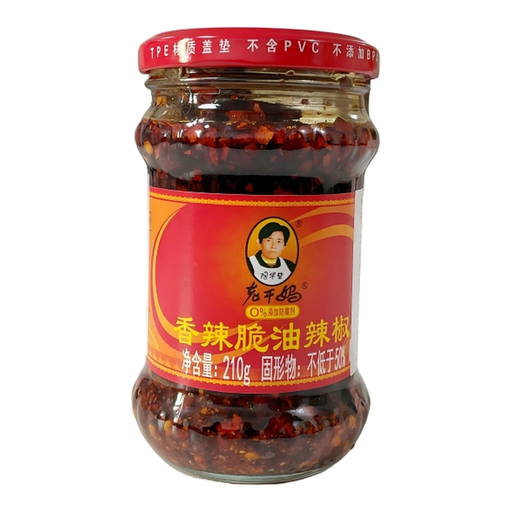
Why This Fits Their Persona: This is the iconic chili crisp that sets the standard for many. Perfect for those seeking a reliable, versatile, and ready-to-eat condiment for noodles, eggs, rice, or even pizza. It's the ideal introduction to the world of chili crisp.
This product delivers exactly the crunchy texture you expect from a 'chili crisp.' It's ready-to-eat and prevents the disappointment of an 'empty' oil or an accidental cooking paste.
Contains a balanced mix of crispy chili flakes, peanuts, and soybeans for a complex texture and a deep, savory flavor.
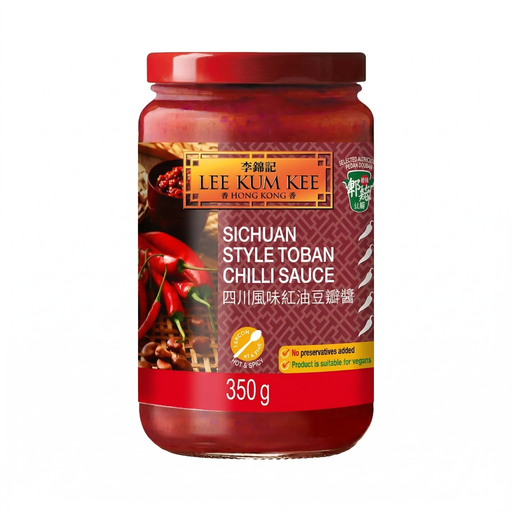
Why This Fits Their Persona: For the home cook who wants to create authentic Sichuan dishes like Mapo Tofu or 'Twice-Cooked Pork.' This is not a topping, but the fundamental flavor base that adds depth, color, and umami to your stir-fry dishes.
This product is clearly positioned as a cooking paste (doubanjiang). It prevents the mistake of using it as a ready-to-eat sauce, as it is meant to be fried to develop deep flavors.
Made with 30% Pixian Doubanjiang, ensuring an authentic, complex, and savory flavor essential for Sichuan cuisine. The oil and paste are separated for easy use.
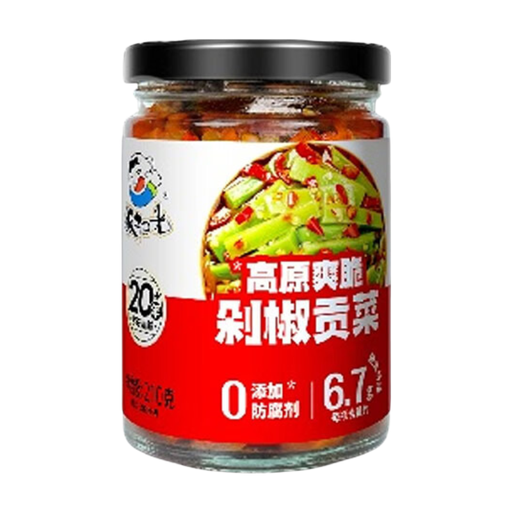
Why This Fits Their Persona: For the foodie who is already familiar with standard chili crisp and is looking for something new. This jar combines spicy peppers with the unique, crunchy texture of celtuce ('tribute vegetables'), creating a surprising and layered eating experience.
This product exceeds the expectation of 'crunch.' It not only delivers the standard crispiness of chili but adds a completely new textural dimension with the vegetables, making it a deliberate choice for texture lovers.
Contains 42% celtuce for a remarkably crisp and tender texture. It is a ready-to-eat side dish that is both sour and spicy, ideal with rice or noodles.
We have compiled a complete, up-to-date list of products that fully meet these strict selection criteria and regulations.
Chili oil is typically a pure, smooth oil flavored with chili peppers, from which the solid particles have been filtered out. It primarily adds heat and aroma. Chili crisp, on the other hand, is an oil packed with crunchy ingredients like chili flakes, garlic, soybeans, or peanuts. In addition to flavor, it adds a distinct texture to a dish.
Most chili oils and sauces are best stored in the refrigerator after opening. This helps to preserve freshness and flavor and prevents the oils from going rancid. Always use a clean spoon to take a portion from the jar to extend its shelf life. The exact storage instructions are always on the packaging.
No, doubanjiang is fundamentally different. It is a thick, salty paste made from fermented broad beans and chili peppers. It functions as a foundational cooking base, particularly in Sichuan cuisine, to create a deep umami flavor. Regular chili sauce or chili crisp is usually a ready-to-eat topping or dipping sauce. You cannot simply eat doubanjiang raw as you would with chili crisp.
