
Vandaag of morgen in huis

Kwaliteit gegarandeerd

Welkomstaanbiedingen ontgrendelen: GRATIS bezorging | Tot 80% korting | Gratis 30 dagen JoyPlus-proefperiode
Download de app
A quality chili oil can transform a simple dish. A spoonful over your noodles, eggs, or rice instantly adds a complex, spicy flavour. But anyone searching for "buy chili oil" online or in-store is met with an overwhelming selection. From bright red hot oils to jars packed with crispy bits, the choices are endless.
As a Joybuy Product Recommendation Officer, I see the challenges consumers face daily. An abundance of choice often leads to disappointment, simply because the label doesn't tell the whole story. Before you make a purchase, it's helpful to know the most common pitfalls.
To avoid a bad purchase, it's wise to base your choice on a few objective characteristics. Don't just look at the marketing—examine the specifications on the label.
Not every jar labelled "chili" is the same. The basic structure determines how you use the product.
The solid ingredients, or the "fillings", are the soul of the oil. They add complexity, umami, and texture. Look out for these common flavour-makers:
To help you choose, we've matched a few popular options to different user profiles.
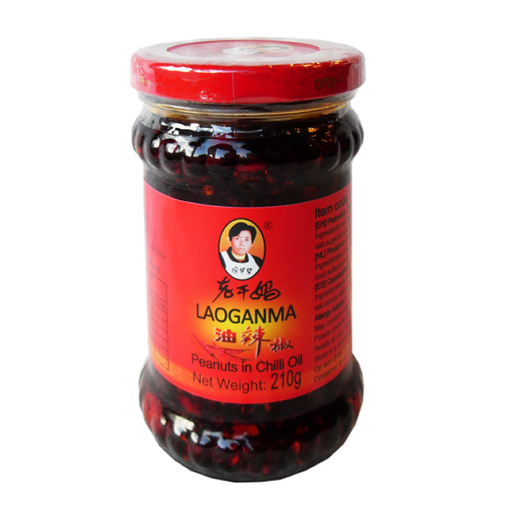
Why This Fits Their Persona: This is the perfect entry-level option. Ideal for students or home cooks who want to instantly add more flavour to a quick meal (noodles, rice, eggs). The peanuts provide an approachable, nutty crunch.
This is a classic chili crisp, not a smooth oil. So you get the texture you expect. The flavour is rich and savoury, not just hot.
Contains crispy peanuts for extra texture and a mild, nutty flavour. Highly versatile in its use.
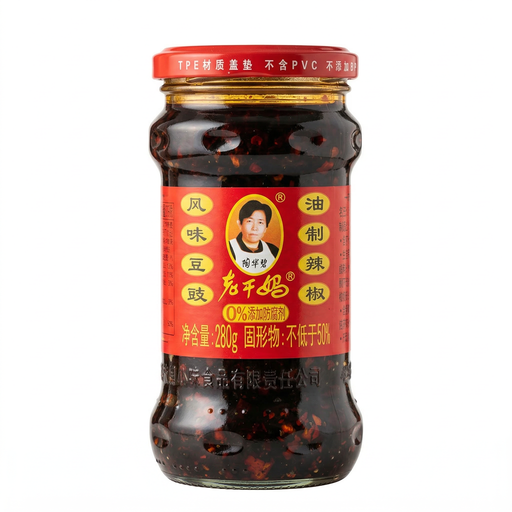
Why This Fits Their Persona: For the connoisseur looking for a deep, salty, and savoury flavour. Perfect for those who want to replicate the authentic taste of many Chinese dishes or are seeking an extra umami kick.
This product avoids the trap of one-dimensional flavour. The fermented black beans offer a complex, salty depth you won't find in a standard chili oil.
The fermented black beans are the star. Excellent for stir-fries with pork or as a flavouring for steamed fish.
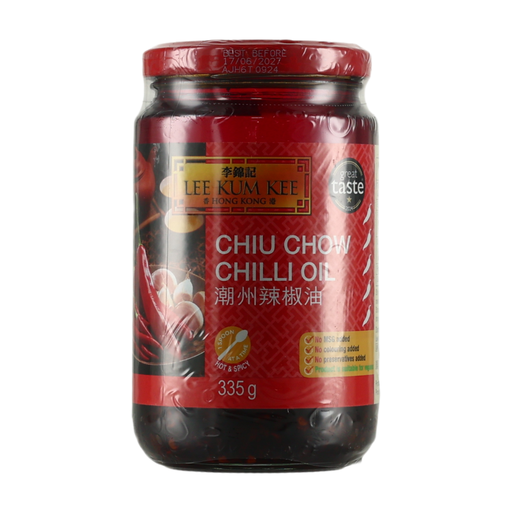
Why This Fits Their Persona: For those seeking an aromatic, garlic-forward chili oil, specifically for dipping sauces (for dumplings or wontons) or as a finishing touch for soups and stir-fries.
This product focuses on the aroma of garlic and chili, rather than just heat or the crunch of peanuts. It's a specific choice for a specific purpose.
Rich, savoury flavour from the combination of dehydrated garlic, salted chili, and soy sauce. A classic from a trusted brand.
We have compiled a complete, up-to-date list of products that fully meet these strict selection criteria and local regulations.
Most chili oils, especially chili crisp varieties, are best stored in the refrigerator after opening. This helps to preserve the freshness of the oil and the crunchiness of the ingredients. Ensure the lid is always tightly sealed. The oil may solidify slightly in the fridge but will quickly return to a liquid state at room temperature.
Although both can be described as "chili oil", their flavour profiles are very different. Chinese chili sauce, particularly from Sichuan, often focuses on the combination of heat and the numbing effect of Sichuan peppercorns. Variants like chili crisp contain crunchy elements. Thai chili paste in oil (nam prik pao) has a more complex, sweet-sour, and savoury taste due to ingredients like tamarind, palm sugar, and often shrimp paste. It is more of a cooking paste than a topping.
Yes, making your own chili oil is an option. The basic process involves heating a neutral oil (like canola or sunflower oil) and pouring it over a bowl of chili flakes and other spices (such as star anise, cinnamon, Sichuan peppercorns). The advantage is that you can control the heat level and ingredients yourself. The disadvantage is that it can be difficult to replicate the complex, balanced flavour and the perfect crispy texture of commercial brands like Lao Gan Ma or Lee Kum Kee.
