
Vandaag of morgen in huis

Kwaliteit gegarandeerd

Welkomstaanbiedingen ontgrendelen: GRATIS bezorging | Tot 80% korting | Gratis 30 dagen JoyPlus-proefperiode
Download de app
You're standing in front of the shelf, online or in-store, and the selection is overwhelming. Dozens of jars of chili oil are staring back at you. You're looking for that one flavor enhancer to take your noodles, eggs, or dumplings to the next level. But all too often, you end up with a disappointment: an oil that only burns without any flavor, or a chili crisp that is anything but crispy.
Before you buy another jar that gets lost in the back of the pantry, let's discuss the most common pitfalls:
crispy chili oil is its crunchy texture. Unfortunately, the chili flakes, peanuts, or onions in some products are soft and disappointing, ruining the entire experience.spicy oil without the signature flavor profile.To make a good choice, it's helpful to understand three core elements: the ingredients, the flavor profile, and the texture.
The base of any Chinese chili oil is, of course, oil and chili. But the details make all the difference.
Lao Gan Ma varieties), peanuts, sesame seeds, garlic, ginger, and shallots add complexity, umami, and texture. An oil with these additions is often a chili crisp.Sichuan chili oil often contains spices like star anise, cinnamon, and of course, Sichuan peppercorns for that characteristic mala flavor.Not all chili oil is the same. The origin often reveals the flavor profile.
red oil you're looking for in authentic Sichuan dishes.Layu is a Japanese spicy oil made primarily from sesame oil. The focus is on the nutty aroma of sesame, with a mild to medium spiciness. Perfect as a dipping sauce for dumplings (gyoza) or in ramen.The texture determines how you use the oil.
chili crisp not just for the flavor, but also for the texture. It's a topping you spoon directly over rice, noodles, eggs, or vegetables. Lao Gan Ma is a famous example.Based on these criteria, we've selected a few popular choices that suit different preferences and home cooks.
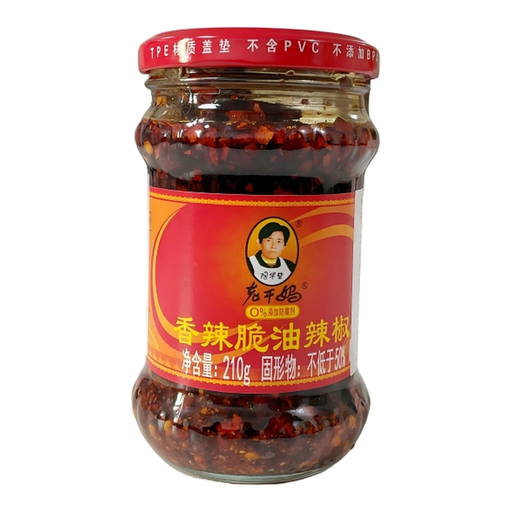
Why This Fits Their Persona: For those who want more than just flavor. The crispy chili flakes and soybeans add an addictive crunch to any dish, from a simple fried egg to a bowl of noodles. This is the iconic chili crisp beloved worldwide.
This is the gold standard for chili crisp. Where other brands can be soggy, Lao Gan Ma delivers its promised crunchy texture, jar after jar.
Rich umami flavor combined with an unmistakable crunch. Contains crispy chili flakes, peanuts, and soybeans.
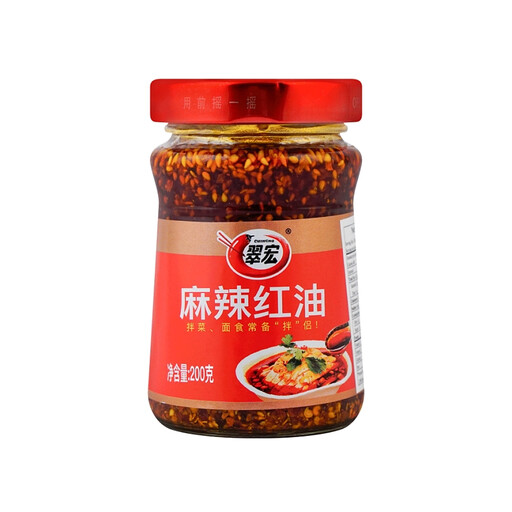
Why This Fits Their Persona: Perfect for those seeking the authentic mala experience. This oil combines the heat of chili with the signature numbing tingle of Sichuan peppercorns, essential for dishes like Dan Dan noodles or Mapo Tofu.
This isn't a vague "Sichuan-style" oil. The ingredient list and flavor profile are focused on the true, complex mala taste, avoiding the pitfall of one-dimensional heat.
A great balance between spiciness (辣) and the numbing tingle (麻). Contains both chili and Sichuan peppercorns for an authentic profile.
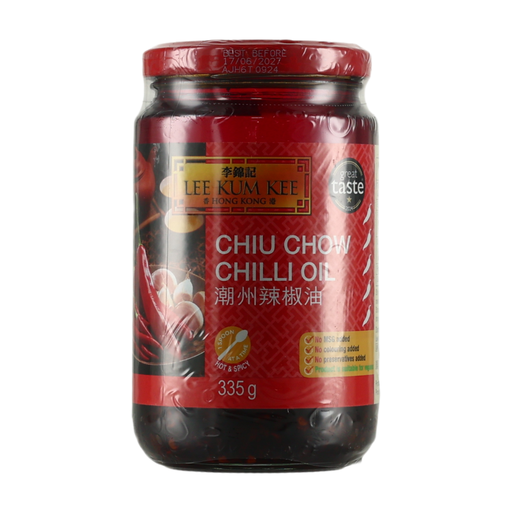
Why This Fits Their Persona: An excellent all-rounder for anyone looking for a flavorful but not extremely hot oil. Its rich garlic aroma makes it an ideal flavor enhancer for stir-fries, as a dipping sauce for dumplings, or to liven up vegetables.
This oil focuses on aromatic depth rather than pure heat. It avoids the "all heat, no flavor" trap by offering a layered, savory taste thanks to the dehydrated garlic and salted chili.
Rich garlic aroma and highly versatile. A product from a well-known brand that guarantees consistent quality.
We've compiled a complete, up-to-date list of products that meet these selection criteria.
Chili oil is an oil (like canola or sesame oil) that has been infused with chili peppers and other spices. The focus is on the oil itself and any crunchy particles. A chili sauce (like Sriracha or Sambal) is a thicker paste or sauce made from ground peppers, often with vinegar, sugar, and salt. The texture is more of a puree.
Most chili oils are best stored in the refrigerator after opening. This helps maintain freshness and prevents the oil from going rancid. Always check the label for specific storage instructions. The oil may solidify slightly in the fridge but will quickly become liquid again at room temperature.
No, definitely not. The level of spiciness varies greatly by brand and region. A Sichuan chili oil is often quite spicy and numbing, while a Japanese Layu or a garlic-based oil can be much milder. Pay attention to the ingredients and the description on the product page to get an idea of the heat level.
