
Vandaag of morgen in huis

Kwaliteit gegarandeerd

Welkomstaanbiedingen ontgrendelen: GRATIS bezorging | Tot 80% korting | Gratis 30 dagen JoyPlus-proefperiode
Download de app
A jar of children’s vitamins may seem like an easy choice. Yet children’s multivitamins can differ considerably in recommended age, dosage, ingredients and format. A cheerful package or appealing flavour says little about whether a product is suitable for your child.
Most purchasing mistakes stem from three common marketing tactics:
Always use a food supplement according to the label. It is not a substitute for a varied diet. If your child takes medication, has a medical condition or you are unsure whether supplementation is needed, consult your GP, pharmacist or dietitian.
First, check the minimum age and recommended daily amount. Vitamin D for children is often available in drop form, while children’s multivitamins usually come as gummies, powder or chewable tablets.
Also pay attention to the difference between:
A product with an adult dosage is not suitable simply because it contains the same vitamin. Also, do not combine several children’s vitamins without checking the ingredients. A multivitamin may already contain vitamin D, zinc, iodine or magnesium.
Compare the amount per daily serving, not just per tablet or gummy. Check the listed RI, or reference intake, as well as the form of the nutrient.
Examples:
Claims on a product page are not a guarantee of an individual effect. Statements such as “supports the immune system” or “contributes to normal bone development” are, according to the product information, based on authorised nutrition claims for the nutrients mentioned. They do not mean that a supplement prevents or treats disease.
“Sugar-free children’s vitamins” can still taste sweet because they contain maltitol, sorbitol, xylitol, sucralose or steviol glycosides. According to product labels, excessive consumption of certain sweeteners may have a laxative effect. Gummies containing sugar or glucose syrup also require extra attention to oral hygiene.
Also check for:
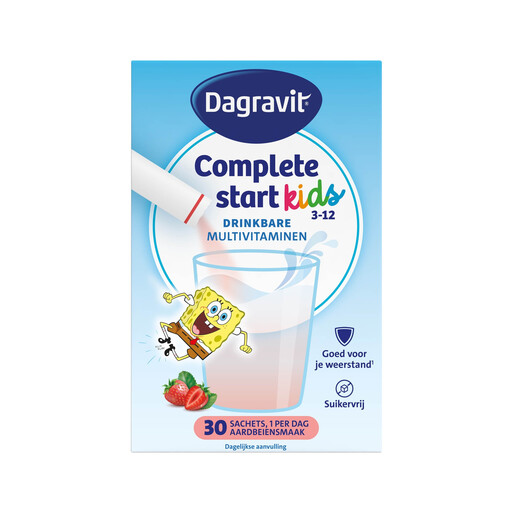
Why This Fits Their Persona: A practical choice for parents who find a powdered drink more convenient than chewable tablets. According to the product information, it is intended for children aged 3 to 12.
The age recommendation and dosage are clearly stated. One sachet is mixed with 200 ml of water, so there is no need to count several gummies.
30 sachets, strawberry flavour and, according to the product description, free from lactose, gluten and sugar.
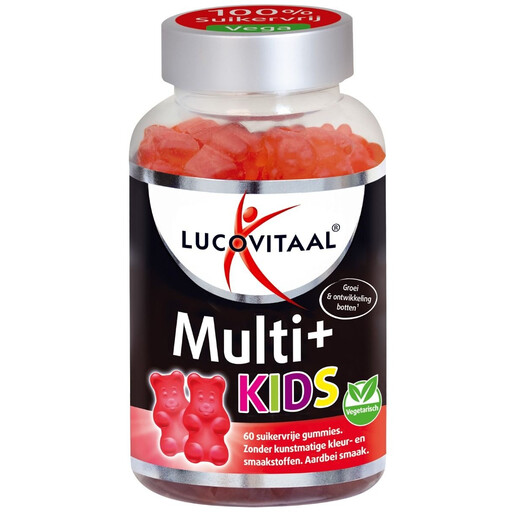
Why This Fits Their Persona: A convenient option for children aged 5 and over who would rather take one gummy a day than have a drink or tablet.
The formula lists the individual amounts per gummy. This makes it easier to compare the intake with other multivitamins.
60 gummies, strawberry flavour, vegetarian and, according to the product information, sugar-free.
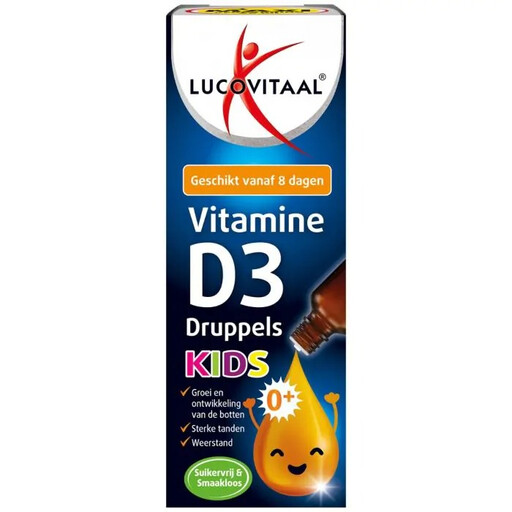
Why This Fits Their Persona: For caregivers who do not want a broad multivitamin but are specifically looking for vitamin D in drop form.
A targeted formula helps avoid adding several unnecessary vitamins. The product states a dosage of six drops per day.
According to the product information, suitable from 8 days after birth, with a bottle and dropper included.
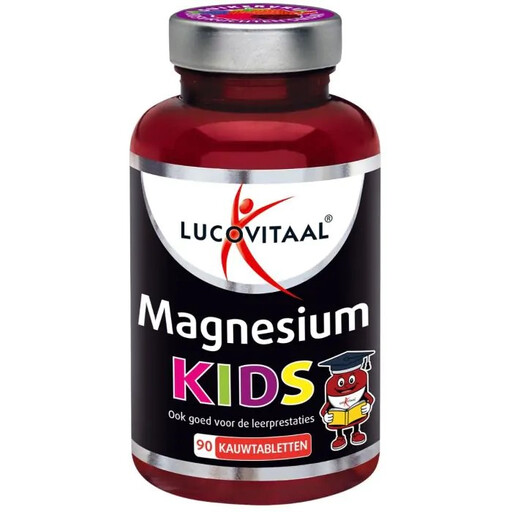
Why This Fits Their Persona: Suits parents comparing magnesium supplements for children who prefer a chewable tablet to gummies.
This is a single-nutrient magnesium product, making it clearer what you are adding and helping prevent unintended overlap with a multivitamin.
60 mg of magnesium per tablet, berry flavour and a stated dosage of one tablet for ages 3–9 and two tablets from age 10.
Browse the latest range of children’s supplements and compare age recommendations, ingredients, format and dosage based on the product information.
That depends on their age, diet and individual circumstances. Vitamin D for children often receives particular attention in the Netherlands, but the appropriate choice and dosage vary by age. A multivitamin is not automatically necessary as part of a varied diet. Check the guidance from official Dutch health authorities and the product label.
Not every gummy is suitable for young children. Some products are only approved from age 3 or 5 and may pose a choking risk if a child cannot yet chew properly. Always check the recommended age, format and need for parental supervision. For babies and young toddlers, drops may be more practical, but always follow the stated dosage.
This varies by product. The product information provided states, for example, that some gummies should be used within 60 days of opening, while a vitamin D dropper bottle remains suitable for six months after opening. Store the supplement in a dry place, tightly closed and out of children’s reach, and follow the temperature instructions on the label.
