
Vandaag of morgen in huis

Kwaliteit gegarandeerd

Welkomstaanbiedingen ontgrendelen: GRATIS bezorging | Tot 80% korting | Gratis 30 dagen JoyPlus-proefperiode
Download de app
Children’s vitamins may seem straightforward to choose, but products vary considerably in recommended age, dosage, ingredients and format. Bright packaging or a sweet-like flavour says little about whether a product is suitable for your child. With this guide, you can compare children’s vitamins, multivitamins and targeted supplements using verifiable product information.
Not every supplement is suitable for young children. Some products are intended for children aged 3 and over, while others are only suitable from 5, 6 or 12 years. A product designed for adults or teenagers may contain a different dosage from a children’s multivitamin.
Always check:
For example, Lucovitaal Probiotics for Kids provides information about use from age 3, as well as a safety statement for children from age 5. In such cases, always check the current label before giving the product to your child.
A multivitamin may already contain vitamin D, vitamin C, zinc, iron or iodine. If you then add separate children’s immune-support vitamins, vitamin D, magnesium or gummies, the same nutrients may be included twice.
Make a simple list before buying:
A supplement is not a replacement for a varied diet. Do not exceed the recommended daily dose.
Children’s vitamin gummies are easy to chew, but may contain sugar, glucose syrup, gelatine or sweeteners such as maltitol, sorbitol and xylitol. Frequent or excessive consumption of certain sweeteners may have a laxative effect. Products containing sugar also require extra attention to tooth brushing.
Also check allergens and dietary preferences. For example, Dagravit gummies may contain pork gelatine. According to the product information, Davitamon Junior Gummies contain beef gelatine, while Davitamon Brain Gummies are vegetarian but contain milk.
Age is the first selection criterion. A product for “3–12 years” may have different dosage instructions from one intended for children aged 5 and over. Always check:
For babies and young children, drops are often more practical than chewable vitamins. According to the product information, Lucovitaal Vitamin D Drops Kids 50 ml is suitable from 8 days after birth and contains vitamin D3 in sunflower oil. The recommended dosage is 6 drops once a day. Always check this against the current packaging and the advice appropriate for your child.
Do not compare only the number of items in a bottle. Check the amount per daily dose. For children’s multivitamins, pay particular attention to:
Brands use authorised nutrition claims about the role of nutrients. According to Davitamon’s product information, certain vitamins and minerals contribute, for example, to the normal functioning of the immune system, energy-yielding metabolism or cognitive function. This describes the role of the nutrients and does not guarantee that a supplement will prevent illness or produce a particular individual result.
For omega-3 for children, it is important to check the source and quantity. According to the label, Lucovitaal Omega 3 Kids Gummies use perilla oil and provide 360 mg of ALA per four gummies. This is different from fish oil or algae oil containing DHA. According to the product information, Davitamon Brain Gummies contain DHA from algae oil, but the stated amount is 55 mg per two gummies. So compare the specific fatty acids, not just the term omega-3.
The best format depends on the child. Chewable vitamins for children are suitable when swallowing is difficult. Gummies may be more appealing, while drink powder can be useful for children who would rather not take a tablet or gummy.
Also check:
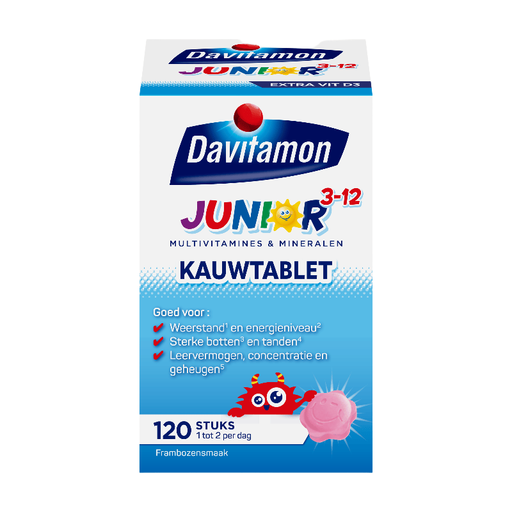
Why it suits this profile: A straightforward multivitamin for children aged 3 and over, with 120 chewable tablets and a dosage of 1–2 tablets per day according to the product information.
The age range and daily dosage are clearly stated. This makes it easier to avoid choosing an adult product or several overlapping supplements.
Chewable tablet, raspberry flavour, gluten-free and lactose-free according to the product information; contains vitamins D3 and C, B vitamins and minerals, among other nutrients.
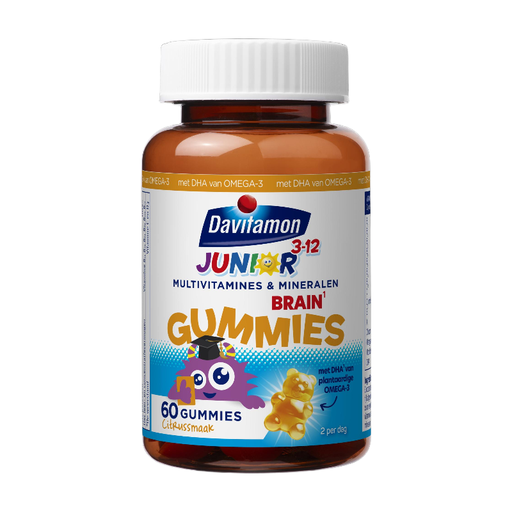
Why it suits this profile: For parents looking for DHA from algae oil alongside a multivitamin for children aged 3–12, with two gummies per day.
The product information states the DHA content and lists the individual vitamins separately. This allows you to check the ingredients rather than relying solely on the word “brain”.
According to the label, contains 13 vitamins and minerals plus 55 mg DHA per two gummies; suitable for vegetarians and gelatine-free.
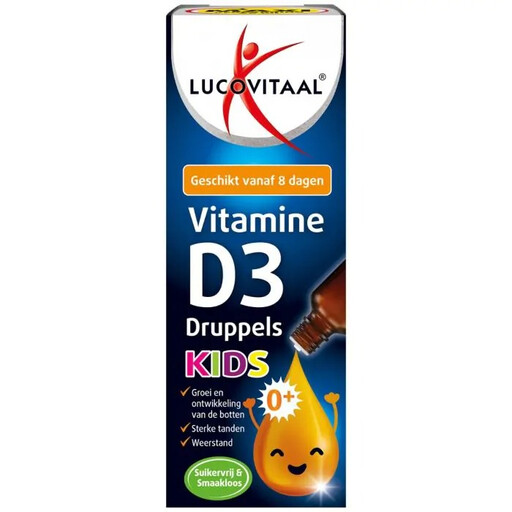
Why it suits this profile: Designed for parents who are not looking for a complete multivitamin, but want a practical vitamin D supplement for young children.
According to the label, the formula contains two ingredients and avoids an unnecessary combination of several vitamins or minerals.
Dropper bottle for easy dosing; according to the product information, suitable from 8 days after birth. Always follow the current instructions for use.
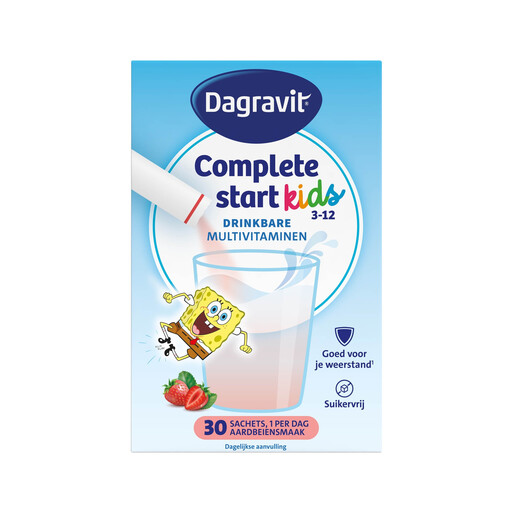
Why it suits this profile: A drinkable option for children aged 3–12 who find tablets or gummies difficult to take.
The preparation instructions are clear: dissolve one sachet in 200 ml of water. This makes the daily amount easy to keep track of.
Strawberry flavour, lactose-free, gluten-free and sugar-free according to the product information; contains vitamins D3 and C, B vitamins and minerals, among other nutrients.
We have put together a complete, up-to-date list of products that fully meet these strict selection criteria and the applicable European safety regulations.
This depends on the ingredients and dosage. Products such as Davitamon Junior 3–12, certain Dagravit Kids-Xtra products and Lucovitaal Multi Complete Kids are intended for children aged 3 and over according to the product information provided. Always check the label, especially when a product page shows different age recommendations.
Gummies can be useful when a child does not want to swallow a tablet. However, compare the sugar, sweeteners, gelatine, allergens and number of gummies per day. Also keep them out of children’s reach, as their shape and flavour may make them look like sweets.
Not automatically. A multivitamin may already contain vitamin D, and some products combine several nutrients. Omega-3 for children and probiotics for children are targeted supplements with different ingredients. Only add them when appropriate for your child’s diet and recommended by a healthcare professional. If your child takes medication, has a medical condition or you are unsure, it is advisable to consult a GP or pharmacist.
