
Vandaag of morgen in huis

Kwaliteit gegarandeerd

Welkomstaanbiedingen ontgrendelen: GRATIS bezorging | Tot 80% korting | Gratis 30 dagen JoyPlus-proefperiode
Download de app
Buying a jar of children’s vitamins may seem straightforward. However, children’s multivitamins differ considerably in recommended age, dosage, flavour, sweeteners and allergens. A cheerful package or promise regarding children’s immune support, energy or concentration says little about the actual formulation.
As a Joybuy Product Recommendation Officer, I filter the most important product information so you can compare marketing claims with verifiable details on the label. Pay particular attention to these three common purchasing pitfalls.
Gummies and chewable tablets may look like sweets, but they are food supplements with a recommended dosage. Some products are suitable from age 3, while others are intended only from age 5, 6 or 12. For babies and young toddlers, gummies are generally not the most practical option.
Always check:
A product featuring a child on the packaging is not automatically suitable for every age group.
Combining a multivitamin with additional vitamin D, magnesium, omega 3 or a second immune-support product can lead to overlapping nutrients. Compare the ingredient lists before using several products together. Pay particular attention to vitamin D, vitamin A, iron, iodine and zinc.
A supplement is not a replacement for a varied diet. If your child takes medication, has a medical condition or you are unsure about the appropriate dosage, consult a GP, pharmacist or paediatrician.
Sugar-free children’s vitamins often contain maltitol, sorbitol, xylitol or other sweeteners. In excessive amounts, some sweeteners may have a laxative effect. Products containing sugar or glucose syrup also require extra attention to tooth brushing and eating occasions.
So do not look only at the front of the pack; read the complete ingredient list as well.
Start by creating a simple age breakdown:
Watch for conflicting information between the product page and the packaging. The description of Lucovitaal Probiotics Kids mentions both 3+ and 5+. In such cases, follow the most recent packaging and contact the seller or manufacturer if necessary.
Compare how much a child actually consumes each day. A pack may contain 60 gummies, for example, while the daily serving may be one, two or four gummies.
Examples:
Reference intake percentages are not always specifically calculated for children. The product information for some Davitamon products, for example, states that the RI applies to adults and that a lower intake is recommended for children from age 3, with the exception of vitamin D.
Choosing the right format determines whether daily use is practical:
For vegan children’s vitamins, plant-based ingredients and a gelatine-free formula are important. According to the product information, Lucovitaal Omega 3 Kids Gummies uses perilla oil, is vegan and sugar-free. Dagravit Kids-Xtra, by contrast, contains pork gelatine. Davitamon Junior Gummies contains beef gelatine, while Davitamon Brain Gummies is suitable for vegetarians according to the product information, but contains milk.
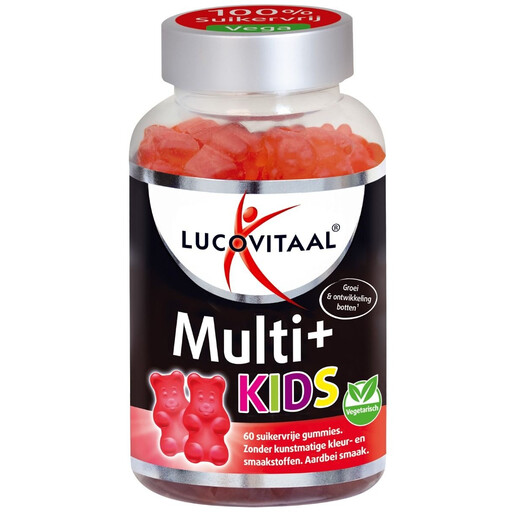
Why This Fits Their Persona: A straightforward daily gummy for children from age 5, with strawberry flavour and a dosage of one gummy per day.
The recommended serving is clear: 1 gummy per day. The label also states that the product is not suitable for children under 5.
Contains vitamins C, D3, B vitamins, E and K. According to the product information, the gummies are sugar-free and no allergens are declared.
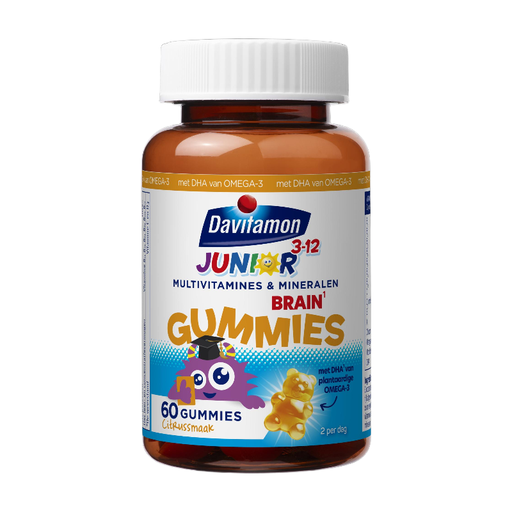
Why This Fits Their Persona: For parents looking for a vegetarian gummy with multiple vitamins and plant-based DHA for children aged 3 to 12.
The product information recommends 2 gummies per day and explicitly states that the product contains sugar and glucose syrup. This allows you to factor the daily intake into your decision.
Contains 13 vitamins and minerals plus 55 mg of DHA per 2 gummies. According to the product information, the formula is gelatine-free and suitable for vegetarians.
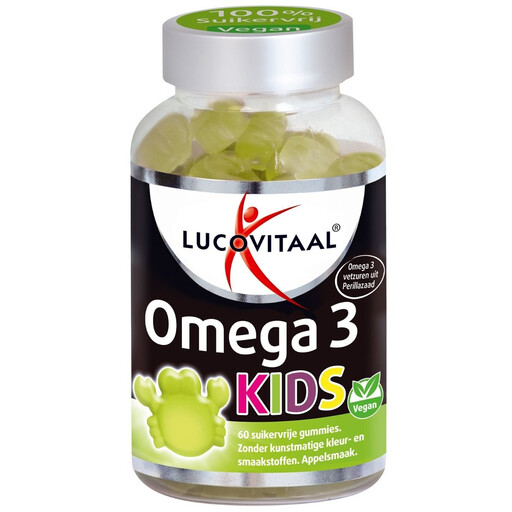
Why This Fits Their Persona: For families specifically looking for omega 3 for children and wanting a vegan, sugar-free gummy from age 5.
The source of the omega 3 is clearly stated: perilla oil containing ALA. This helps you avoid buying a fish-oil product when you are looking for a plant-based formula.
According to the label, 4 gummies provide 360 mg of omega 3 as ALA. The gummies are vegan and, according to the product information, contain no artificial colours or flavours.
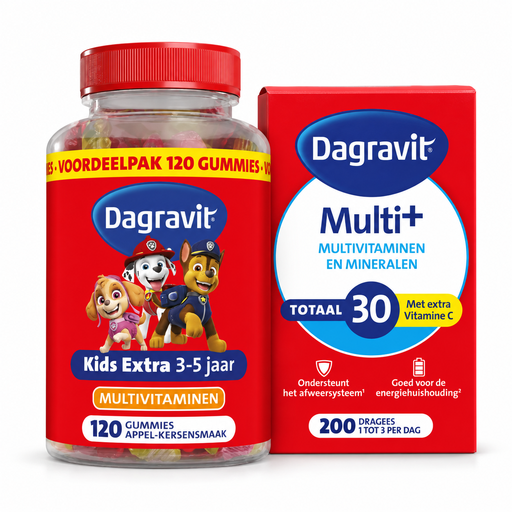
Why This Fits Their Persona: Practical for families with children aged 3–5 who also want to combine a multivitamin for adults in one convenient bundle.
The two products have separate age and dosage instructions. Do not use the children’s gummies as a substitute for the adult formula, or vice versa.
The bundle contains 120 Kids-Xtra gummies and 200 Totaal 30 dragees. According to the label, the children’s gummies provide 10 mcg of vitamin D per two gummies.
Use this quick checklist:
If you are specifically looking for vitamin D for children, omega 3 for children, magnesium or probiotics, you do not automatically need to choose a broad multivitamin. A single-nutrient product may be easier to manage, provided the age recommendation and dosage are appropriate.
Explore a current selection of children’s supplements and compare age range, composition, format, flavour and allergens before ordering.
Not every child automatically needs a multivitamin. Supplements are intended to complement the diet. Requirements depend on factors including age, eating habits and individual circumstances. If you are unsure about vitamin D, iron or another nutrient, ask a healthcare professional for advice.
Gummies are often easy to chew and have a familiar flavour. Chewable tablets may contain less sugar, but sometimes include sweeteners. Compare the serving size, ingredients and minimum age. For children who cannot yet chew safely, drops are a more suitable format.
This varies by product. Lucovitaal Multi+ Gummies and Omega 3 Gummies, for example, state that the product should be used within 60 days of opening. Other products specify a longer period, such as six months for certain vitamin D drops. Always follow the storage instructions on the label and close the packaging securely.
