
Vandaag of morgen in huis

Kwaliteit gegarandeerd

Welkomstaanbiedingen ontgrendelen: GRATIS bezorging | Tot 80% korting | Gratis 30 dagen JoyPlus-proefperiode
Download de app
A tub of children’s vitamins may seem like an easy choice. However, products can vary considerably in recommended age, dosage, formulation and format. An appealing flavour or cheerful packaging says little about whether a product is suitable for your child.
The three most common pitfalls:
Always start with the age stated on the label. A product for children’s vitamins aged 3 to 12 is not automatically suitable for a younger child. Some products are only intended for children aged 5 or 6 and over. Also check whether the recommended amount is one gummy, one chewable tablet or several tablets per day.
Pay attention to the difference between:
A higher amount is not automatically a better choice. Follow the recommended daily dosage and do not combine several multivitamins without a good reason.
Compare nutrients per complete daily dosage, not just per tablet. Look at vitamin D, vitamin C, B vitamins, zinc, iron, iodine and magnesium, among others. The reference intake on the label is generally based on adults; children may require a lower intake.
According to product information from various brands, certain vitamins and minerals contribute to normal bodily functions. Do not present this as a medical effect: a food supplement is no substitute for a varied diet and healthy lifestyle.
For children who already eat a varied diet, an extensive product may be unnecessary. If you have any doubts, or if your child takes medication or has a medical condition, it is sensible to consult your GP or pharmacist.
The format often determines whether a child will be happy to take the product every day:
Also check whether the product suits your preferences. “Gluten-free” or “lactose-free” does not automatically mean vegan. Gelatine may come from beef or pork. Products containing maltitol, sorbitol or xylitol may have a laxative effect if consumed excessively.
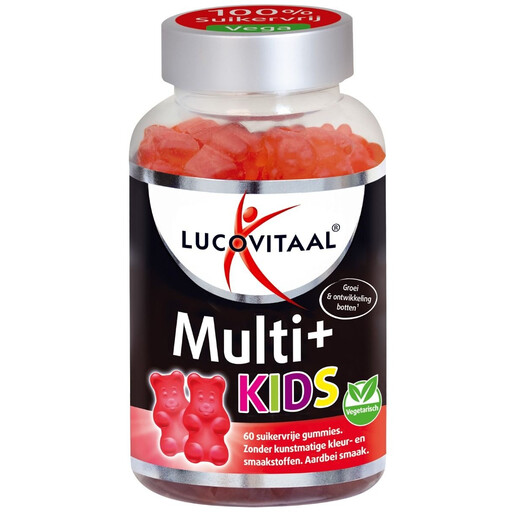
Why it suits this profile: An easy choice for children aged 5 and over who would rather take one gummy a day than swallow a tablet.
The product information states one gummy per day, a minimum age of 5 and a sugar-free formula. However, check the sweeteners and keep the tub out of children’s reach.
60 gummies, natural strawberry flavour according to the product description, plus vitamins A, B, C, D, E and K.
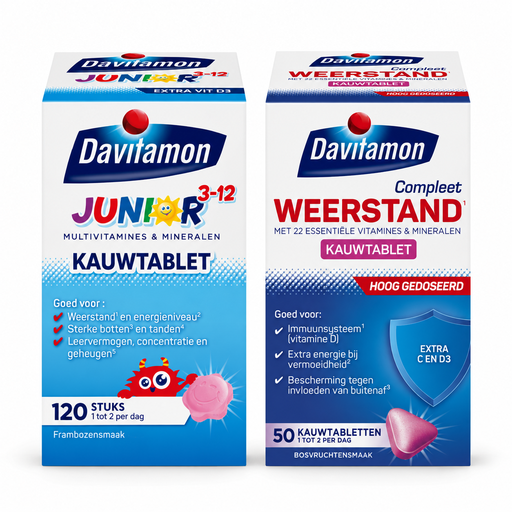
Why it suits this profile: For parents who want to combine a broad multivitamin for ages 3–12 with a separate product for children aged 4 and over.
The bundle clearly sets out the two products and their separate age and dosage recommendations. Do not automatically use them together without checking the label.
120 Junior chewable tablets with raspberry flavour and 50 tablets with forest fruit flavour; according to the product information, free from gluten and lactose.
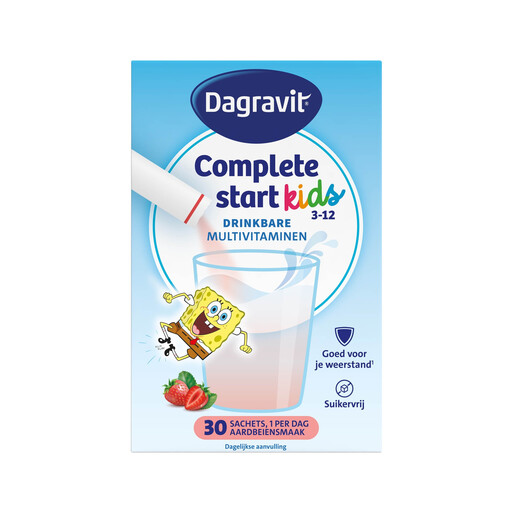
Why it suits this profile: A practical option for children who refuse chewable tablets or gummies. Dissolve the sachet in 200 ml of water.
The instructions are clear: one sachet in a glass of water. This makes the dosage easy to manage and eliminates the risk of a child not chewing a tablet properly.
30 sachets, strawberry flavour according to the product description, and a formula that is free from lactose, gluten and sugar according to the label.
A multivitamin is not always necessary. If you are only looking for vitamin D for children, a separate drops product is easier to dose than a complete children’s multivitamin. According to the product information, Lucovitaal D3 Drops KIDS 0+ contains vitamin D3 in sunflower oil and comes with a dropper bottle.
For a child who does not consume animal-derived ingredients, check specifically for a vegan or vegetarian designation. According to the product information, Lucovitaal Multi+ gummies are vegetarian and sugar-free. Lucovitaal Omega 3 Kids Gummies use plant-based perilla oil and are labelled vegan. This is an additional product, not a replacement for a complete multivitamin.
Also be aware of the distinction between vitamins for children’s immunity and general multivitamins. A brand’s product claim is no guarantee that a child will become ill less often. Look at the permitted nutrition claim, the amount per day and the complete ingredients list.
We have put together a complete, up-to-date list of products that fully meet these strict selection criteria and the applicable European safety regulations.
A supplement is an addition, not a replacement for a varied diet. Whether extra vitamins are needed depends on age, diet and personal circumstances. Follow official dietary advice and ask your GP or pharmacist for advice if you are unsure.
This varies by product. Check the best-before date, storage instructions and any recommended period after opening. According to the product information, some gummy products should be used within 60 days of opening. Store children’s vitamins in a dry place, tightly closed and out of the reach of young children.
No. Sugar-free only tells you something about the sugar content. Also check the sweeteners, minimum age, dosage, allergens and nutrients. With gummies, good oral hygiene remains important, particularly when the product contains acids or sweeteners.
