
Vandaag of morgen in huis

Kwaliteit gegarandeerd

Welkomstaanbiedingen ontgrendelen: GRATIS bezorging | Tot 80% korting | Gratis 30 dagen JoyPlus-proefperiode
Download de app
Children's trainers need to cope with a lot: school, playing outside, cycling, running and the occasional unexpected rain shower. Even so, it is easy to buy a pair that no longer feels comfortable or is difficult to clean after just a few weeks. Colour and brand are often the first things you notice, but fit, fastening and materials usually determine whether children's shoes work well in practice.
As a Joybuy Product Recommendation Officer, I focus mainly on verifiable product information. Below, you can read which points to check before buying and which children's trainers suit different situations.
Girls' trainers with glitter, lights or eye-catching prints and boys' trainers in dark colours appeal to children straight away. However, this says little about the fit. A well-known brand is not automatically suitable for every foot either. Always check the stated width, fastening, sole and material construction.
Children do not all grow at the same rate. In addition, a size 30 may feel different from one model to another because of the shape of the toe box, the lining and the width. A product listing stating that a shoe “fits true to size” is a guideline, not a substitute for checking your child's foot size and the available size chart.
Some Skechers children's shoes are listed as machine washable in the product description. Other models, particularly shoes with built-in lights, may only be cleaned with a damp cloth according to the instructions. Washing them incorrectly can damage the materials, adhesive or electronics. Always check the specific care instructions for the model.
Pay attention to the following information:
Ideally, have your child try the shoes on with the socks they normally wear. Check that their toes can move freely and that the heel does not slip while walking. Do not deliberately buy several sizes too large “to allow for growth”; an overly roomy shoe can actually feel less stable.
Trainers with hook-and-loop fastening are practical for toddlers, pre-schoolers and children who want to get dressed and undressed independently at school. Elastic laces with hook-and-loop fastening, as found on the Skechers Flutter Heart Lights 302315L-NVMT in size 35, combine a secure look with an easy fastening system.
A slip-on design such as a Crocs clog can be handy at home, in your free time or for short periods outdoors. According to the product information, the Crocs models in this range are clogs made from 100% Croslite, not traditional children's sports shoes. For running and activities where the foot needs to be well enclosed, also compare a model with laces or hook-and-loop fastening.
A rubber outsole with a tread can help provide grip on everyday surfaces. An EVA midsole is used in various models to keep the weight down and provide cushioning. This does not automatically make a shoe suitable for every sport, so also consider the construction and intended use.
Lightweight children's shoes are particularly comfortable when a child walks a lot or needs to carry their shoes independently. Mesh or textile may feel more breathable, while synthetic leather can be easier to wipe clean. Suede generally requires more care when dealing with stains. Always check that the care instructions are suitable for everyday use.
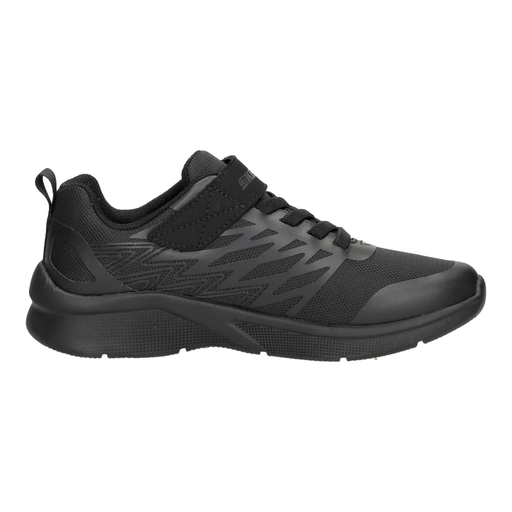
Why it suits this profile: This black model has a regular fit, D shoe width and a combination of elastic and hook-and-loop fastening. That makes it a straightforward choice for everyday use at school and during play.
The product information clearly states the fit, width, size and fastening. This means you do not have to rely solely on the colour or brand name.
Textile upper, rubber sole, regular fit and elastic fastening with hook-and-loop closure.
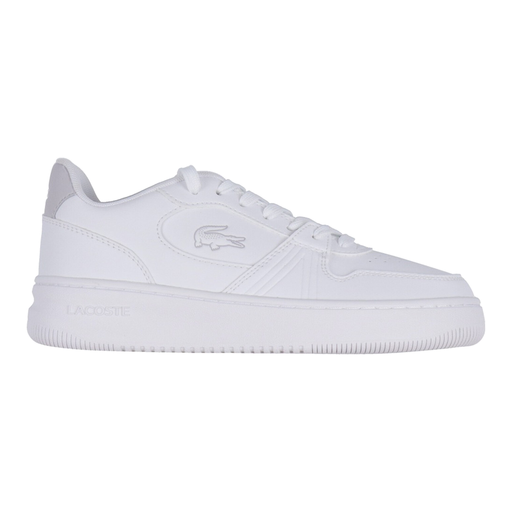
Why it suits this profile: The white tennis shoe works well with school uniform and smart everyday outfits. The product description specifies a synthetic leather and textile upper, a padded EVA insole and a rubber outsole.
The care information recommends wiping the shoes with a damp cloth. This helps prevent you from treating a white model incorrectly with an unsuitable wash cycle.
Padded EVA insole, rubber sole and a neutral all-white design.
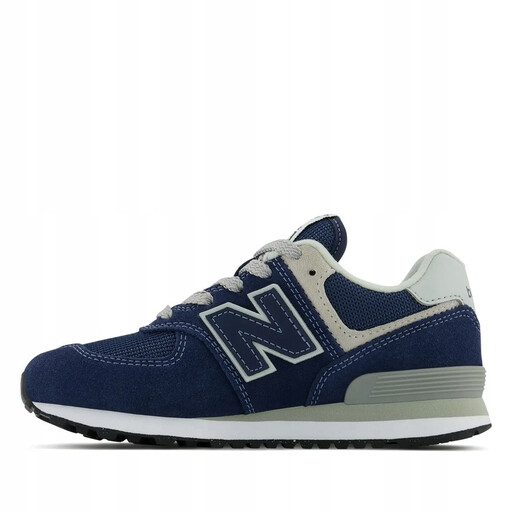
Why it suits this profile: For children who are active at school, during play and in everyday activities, this model offers an upper made from suede, synthetic material and mesh, according to the product information. The hook-and-loop fastening is practical for frequent putting on and taking off.
The specifications show more than just the appearance: the materials, EVA midsole, rubber tread outsole and fastening are listed separately.
Lightweight EVA foam, rubber outsole with tread, mesh elements and hook-and-loop fastening.
The distinction between girls' trainers and boys' trainers is mainly about colour, prints and styling. When it comes to fit, the individual foot is more important than the category. A pink glitter model can have the same practical features as a dark model with a logo. Compare both categories based on size, width, fastening and sole.
For toddlers, slip-on styles or shoes with hook-and-loop fastening can save time. For pre-school and school-age children, lightweight children's shoes with a fastening that can be secured properly are often practical. For sport, choose a model whose product description explicitly lists features suited to the activity. An ordinary lifestyle trainer is not automatically a sports shoe.
We have put together a complete, up-to-date list of products that fully meet these strict selection criteria and the applicable European safety regulations.
Measure both feet while your child is standing and compare the longer foot with the size chart for the chosen model. Also check the stated fit and shoe width. Do not rely solely on age or the size of a previous pair.
Their lifespan depends on growth, how often they are worn, the surface they are used on, the materials and how well they are cared for. Check regularly that the toes still have room to move freely, the heel fits securely and the sole is not excessively worn. A shoe can still look smart even when it is no longer the right size.
That varies from model to model. Look at the sole, grip, fastening and product description. Models with mesh and a rubber sole can be practical for everyday activity, but organised sports may have different requirements. Do not automatically use a lifestyle model as a children's sports shoe.
