
Vandaag of morgen in huis

Kwaliteit gegarandeerd

Welkomstaanbiedingen ontgrendelen: GRATIS bezorging | Tot 80% korting | Gratis 30 dagen JoyPlus-proefperiode
Download de app
Children's trainers need to stand up to school, outdoor play and everyday adventures. At the same time, children's feet grow quickly and the fit can vary considerably between brands. So an attractive colour or familiar name isn't enough. If you focus only on looks and price, you could end up with shoes that are difficult to put on, wear out quickly or don't leave enough room.
In this buying guide, we explain what to look for in children's trainers, from toddler to early-teen sizes. Then you'll find some popular options for different needs.
A mesh panel can help air circulate, but it doesn't necessarily tell you anything about the whole shoe. So check the materials used for the upper, lining and sole. A combination of synthetic material and textile can be practical, while leather or suede needs different care.
Some Geox children's shoes mention Geox Respira technology. According to Geox's product information, this construction features a perforated sole and a breathable membrane. Treat this as a product specification, not a guarantee that the shoe will feel the same for every child.
A four-year-old won't necessarily wear the same shoe size as another child of the same age. Measure both feet at the end of the day and compare the longer foot with the product's size chart.
For some models, Geox recommends leaving around 0.5 to 1 cm of extra room compared with the measured foot length, according to the product description. Too little room can feel tight; too much can cause the foot to slide around. So when looking for children's shoes in size 23 or size 27, always check the actual internal measurements or sizing information, if available.
Laces can provide a precise fit, but they're not always practical for a toddler or young child. Trainers with riptape fastenings and elastic laces are often easier to put on. Just check that the fastening can be adjusted enough and that the shoe stays secure around the heel.
A good pair of children's trainers should feel comfortable, not just soft. The toe box should leave enough room for little toes, and the heel shouldn't keep lifting as your child walks. Have your child stand on both feet while you check the fit.
Look out for these points:
A rubber outsole generally offers good grip on many everyday surfaces. Also check that the sole is flexible enough to allow a natural walking motion. A very stiff sole can be impractical for young children, while an extremely thin sole may offer less protection on rough surfaces.
The product information for the models mentioned describes rubber outsoles, tread and flexible constructions. These are features you can check. Phrases such as “all-day comfort”, on the other hand, are mostly marketing language and should be considered alongside the actual materials and fastening.
Synthetic leather is often easy to wipe clean. Mesh can feel airy, but needs careful cleaning. Suede and nubuck usually need a special brush and protective spray. Don't machine-wash children's trainers unless the manufacturer recommends it.
For intensive everyday wear, darker colours and a removable footbed are practical. A removable insole can make cleaning easier, but check that the fit is still right after taking it out.
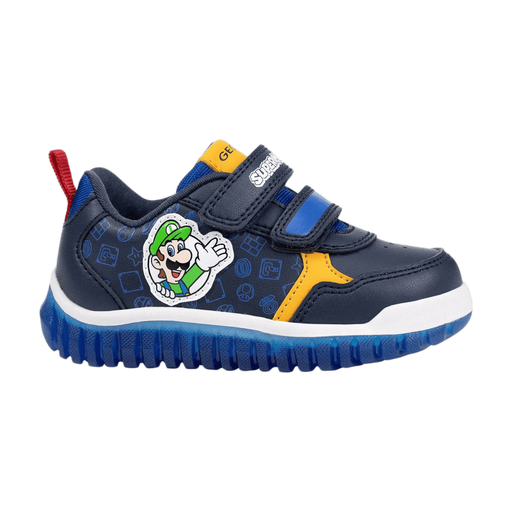
Why it suits this need: A lightweight style for toddlers and young children, with a single riptape fastening and elastic laces. That makes it suitable for school, nursery and everyday wear.
The product information lists mesh panels, a rubber outsole and a removable insole. You can base your choice on specific features, rather than relying only on the “breathable” label.
Synthetic upper with textile mesh, single riptape fastening, lightweight construction and removable insole.
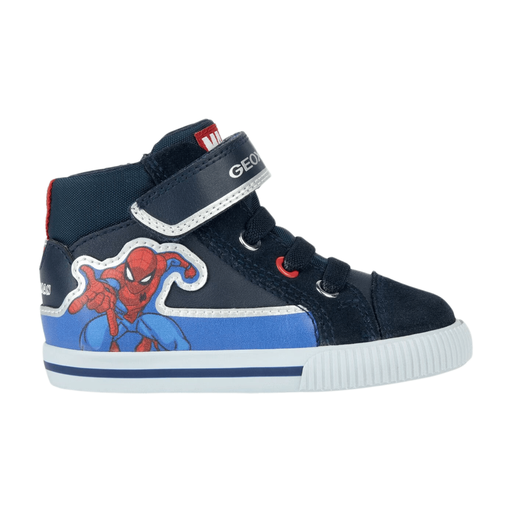
Why it suits this need: A mid-cut style for parents who value the materials, flexibility and adjustability of shoes for young children.
The combination of a riptape fastening and elastic laces means there's no need to tie loose laces. The footbed is removable and the materials are specified.
Nappa leather, leather-effect material, rubber sole, Flexy System tread and removable insole, according to the product description.
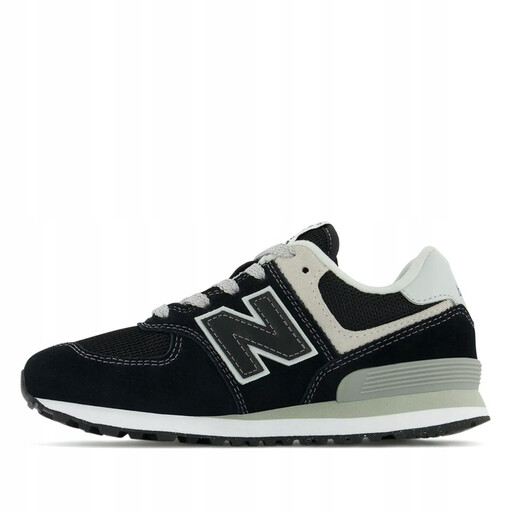
Why it suits this need: A lace-up style for children who walk a lot, cycle to school or play outside every day, and can already tie their own laces.
The product description lists a rubber outsole with tread and an EVA midsole. This gives you more to compare than a general claim about durability alone.
Suede, synthetic material and textile mesh; EVA midsole, rubber outsole and lace-up fastening.
We've put together a complete, up-to-date list of products that meet these strict selection criteria and the applicable European safety regulations.
Check the fit every few months for young children, and sooner if your child complains of pressure or blisters. Feet don't always grow evenly. Measure again if shoes suddenly seem tight or your child's toes touch the front.
Yes, if your child needs to put their shoes on independently. Check that the riptape fastening is long enough to secure the instep properly. For older children, laces can offer a more personalised fit, as long as they can tie them themselves.
Their lifespan depends on growth, use and care. A pair worn outdoors every day will wear out faster than shoes used occasionally. Regularly check the tread, loose stitching, shape and wear around the toe. Don't replace shoes just because they're dirty, but don't wait until the sole is completely smooth either.
