
Vandaag of morgen in huis

Kwaliteit gegarandeerd

Welkomstaanbiedingen ontgrendelen: GRATIS bezorging | Tot 80% korting | Gratis 30 dagen JoyPlus-proefperiode
Download de app
Picking the right children’s toothpaste might seem straightforward – until you start comparing labels. One pack mentions an age range, another highlights a mild flavour or natural ingredients. Meanwhile, the fluoride content, usage instructions and tube size all vary from product to product.
For parents, the key questions are: which toothpaste suits my child’s age, how much fluoride does the formula contain, and does my child still swallow a lot of toothpaste? With the checklist below, you can shop more confidently for toothpaste for children, junior toothpaste or toddler toothpaste.
A pack labelled “junior” or featuring a cheerful character doesn’t automatically tell you enough. Always check the exact age range and fluoride content on the label. The range includes variants for 0-2 years, 0-5 years, 3-5 years, 5-12 years and 6-13 years. These groups are not interchangeable.
A fluoride-free children’s toothpaste can seem appealing when a child often swallows toothpaste. Yet fluoride is actually a key factor in making the right choice. The correct amount depends on age, brushing habits and any fluoride from other sources. If in doubt, discuss your choice with a dentist or dental hygienist.
Also watch out for conflicting product information. On some items, the marketing text may say something different from the ingredients list. So base your decision on the current label and product specifications, not just the front of the tube.
A strong mint flavour can be unpleasant for young children. A fruity or mild flavour may suit their preferences better, but taste is personal. A child-friendly pack can sometimes make brushing more appealing, but it doesn’t replace a suitable formula and proper guidance.
First, look at the manufacturer’s age recommendation. For young children, a small smear of toothpaste is often advised; from around two years old, packs may suggest a pea-sized amount. Always follow the usage instructions for the product you choose.
Children up to six years old usually need supervision to swallow as little toothpaste as possible. Teach your child to spit out and keep the tube out of reach. If brushing advice differs, your child swallows a lot, or they get fluoride from other sources, a dentist can give personal guidance.
The fluoride content is often listed in ppm F. In the range you’ll find:
Always check the label on the pack you receive, as formulations and packaging can change. A higher or lower value isn’t a reason to choose a product on its own; age and brushing instructions should go together.
A mild children’s toothpaste can help if your child is sensitive to taste or texture. Some products mention a low-abrasive formula, like Aquafresh Milk Teeth. Other variants are menthol-free or contain natural ingredients, such as Weleda children’s toothpaste.
Look out for ingredients your child has reacted to before. Names like aroma, limonene or certain foaming agents may appear on the label. If irritation occurs, stop using it and ask your dentist or doctor for advice.
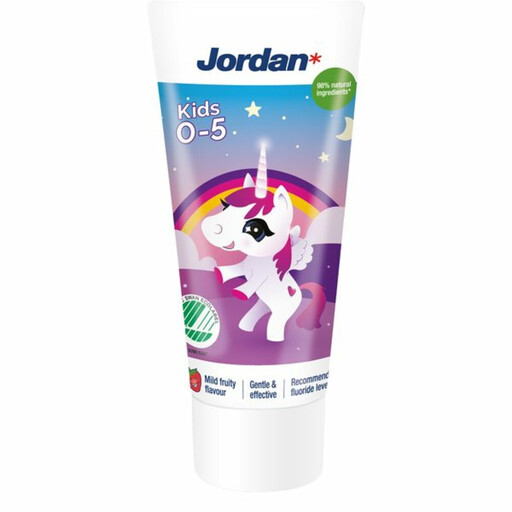
Why this fits the profile: A straightforward option for parents looking for a simple choice for young children. The product specification states an age of 0-5 years and 500 ppm F.
The age and fluoride value are clearly included in the product information. Still check the current label before use.
50 ml tube; designed for children aged 0-5 years; stated fluoride content of 500 ppm F.
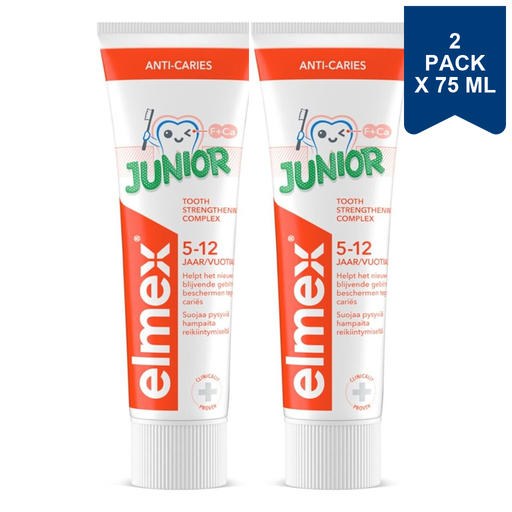
Why this fits the profile: Ideal for families looking for a junior variant with a larger size and a 2-pack for everyday use.
The packaging states 1400 ppm F and gives separate instructions for children aged 5-6 and 7-12 years.
2 tubes of 75 ml; age range 5-12 years; stated fluoride content of 1400 ppm F.
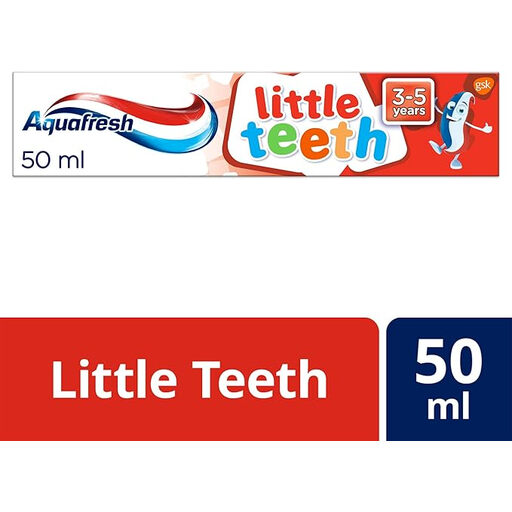
Why this fits the profile: An option for toddlers and preschoolers where age, mild flavour and a small tube are key considerations.
The product is specifically labelled for 3-5 years and states 1450 ppm fluoride plus a mild flavour.
50 ml; age 3-5 years; 1450 ppm F; mild flavour according to the product specification.
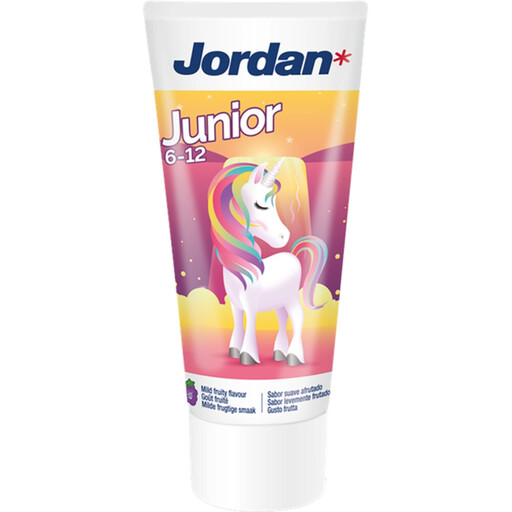
Why this fits the profile: Suits children moving to a junior toothpaste and who need a clear fluoride declaration.
The variant is aimed at 6-12 years and states 1450 ppm F, so you don’t have to rely on the word “junior” alone.
50 ml; age 6-12 years; sodium fluoride with 1450 ppm F according to the product information.
We’ve put together a full, up-to-date list of products that fully meet these strict selection criteria and comply with current European safety regulations.
That depends on age, brushing habits and fluoride advice. The range includes variants with 500, 1000 and 1450 ppm F. Check the packaging and don’t choose a product based solely on flavour or packaging.
Follow the instructions on the tube. For children under two, a small smear is often recommended; for older young children, usually a pea-sized amount. Supervise brushing and limit swallowing. If in doubt, a dentist can explain the right amount.
Check the best-before or expiry date on the packaging. Close the cap after use, store the tube in a cool, dry place and watch for changes in smell, colour or texture. Don’t use a tube if the contents seem unusual or if the packaging indicates it’s no longer good.
