
Vandaag of morgen in huis

Kwaliteit gegarandeerd

Welkomstaanbiedingen ontgrendelen: GRATIS bezorging | Tot 80% korting | Gratis 30 dagen JoyPlus-proefperiode
Download de app
Children’s shoes have a lot to cope with every day: the school playground, bike rides, puddles and playing indoors. An eye-catching design or familiar brand name does not tell you everything. The right choice mainly depends on fit, fastening, material and intended use.
Also pay attention to product information that is not always presented clearly. For example, a shoe may be described as sporty while providing very little technical information about the sole or fastening. And a light-up model may be fun, but it often requires a different cleaning routine. Use this checklist to compare children’s shoes more practically and avoid unnecessary costs.
A size 31 is not identical in every model. The width, last and fastening all affect how a shoe fits. Always check the stated fit, shoe width and size advice for the specific model.
Some shoes, for example, are described as having a “normal fit” or advise you to “order your own size”. Other models come up smaller or larger. The product information for Skechers Flex Glow 90542L BBLM 28 states that the model comes up small and recommends ordering one size larger. This advice does not automatically apply to other trainers.
A soft insole may feel pleasant, but that does not automatically make a shoe suitable for extended wear. Also consider the flexibility of the sole, the weight, the fastening and the amount of room around the toes. A non-removable insole can also be less practical when you want to air out or inspect the shoe.
When choosing comfortable shoes for children, it is therefore sensible to consider several features together rather than focusing on a single marketing term.
Children’s light-up shoes attract attention, but they contain components that do not cope well with soaking, heat or a washing machine. The product information for Skechers Meteor-Lights, for example, recommends cleaning with a damp cloth and warns that machine washing may damage the light and battery components.
Glitter, artificial flowers and other decorations also require careful maintenance. Before buying, check that the shoes are suitable for the way your child uses them.
Use the product’s size chart and measure both feet, preferably at the end of the day. The larger foot usually determines the required size. With closed shoes, leave some room for the toes to move, but make sure the heel does not lift while walking.
Looking for size 27 children’s shoes, size 31 children’s shoes or size 35 children’s shoes? Filter by the available size first, then compare colour and design. One size 31 model may have a regular fit, while another model in the same size may feel wider or narrower.
The fastening determines how independently a child can put their shoes on:
Check that the fastening is secure and does not press on the foot. A shoe that is difficult to fasten is less likely to be worn correctly in everyday use.
Textile and mesh can be lightweight and breathable. Synthetic leather is generally easy to wipe clean. Rubber soles are used in many children’s shoes for their grip and durability, according to the product specifications. This does not mean that every sole is equally suitable for wet tiles, sports fields or intensive outdoor play.
For sports shoes for children, the right size, a secure fastening and a sole with sufficient grip are more important than a sporty appearance alone. Also check the care instructions. Not every textile model is suitable for machine washing.
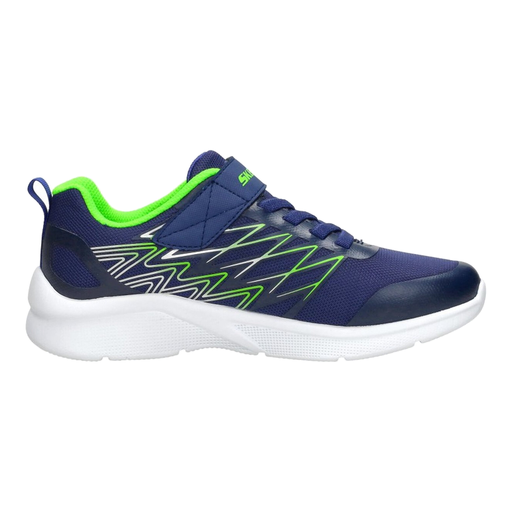
Why it suits this profile: This low-top blue model is designed for everyday use and features elastic laces with a Velcro fastening. That makes it practical for school, play and putting on independently.
The product information states a regular fit, shoe width D and size 31. This allows you to compare more accurately than by looking at colour or brand name alone.
Textile upper, rubber sole and a non-removable insole; clean with a damp cloth and mild soap.
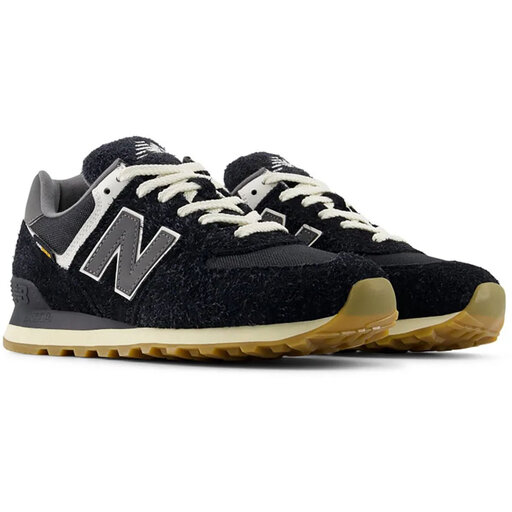
Why it suits this profile: This casual trainer, made from a combination of suede and mesh, is aimed at adults looking for a versatile model for everyday use.
The material construction, rubber outsole and EU guarantee information are clearly stated. This makes it easier to check the details before buying.
Suede and mesh upper, rubber outsole and a design suited to both casual and sporty outfits.
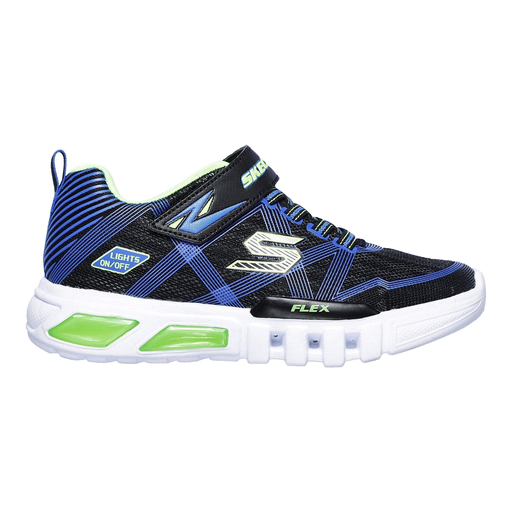
Why it suits this profile: This model is aimed at children who like wearing an eye-catching pair. According to the product information, the lights in the sole can be operated using a button on the side.
The size advice states that this model comes up small. Check the foot length and consider following the stated advice rather than automatically choosing the usual size.
Mesh upper, elastic laces, Velcro fastening at the ankle and a sole with an on/off button for the light function.
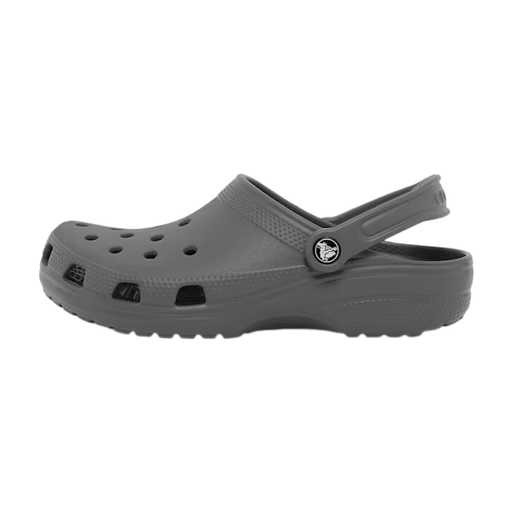
Why it suits this profile: This slip-on model is suitable for indoors, short trips and relaxed everyday use. The neutral grey colour works well with a range of outfits.
The size chart lists foot lengths and EU sizes. Check the chart carefully, as the numbering differs from that of many closed trainers.
Ventilation holes, synthetic material, rubber outsole and hand washing with mild soap, according to the product information.
We have put together a complete, up-to-date list of products that fully meet these strict selection criteria and the applicable European safety regulations.
Lifespan depends on the material, how often the shoes are worn and how they are used. A pair worn outdoors every day will wear out faster than shoes used occasionally. You can reduce wear by:
Does your child take part in several activities in one day? A second pair can be useful, allowing the shoes to air and dry between activities. Replace a pair when the sole becomes smooth, the heel no longer fits securely or the foot reaches the front.
Measure both feet in millimetres and compare the longer foot with the size chart for the model you have chosen. Also check the stated fit and width. Use a general size chart only as an initial guide.
Check the fit regularly, especially for young children. Replacement is necessary when there is no longer enough room for the toes, the heel slips, the sole is badly worn or the fastening no longer works properly. A child’s age does not determine this; growth and usage vary from one child to another.
They can be, as long as the fit and construction are suitable for the intended use. Bear maintenance in mind: according to the product information for light-up models, cleaning with a damp cloth is usually recommended and machine washing is not suitable. Also consider whether the light function is appropriate at school or during sports.
