
Vandaag of morgen in huis

Kwaliteit gegarandeerd

Welkomstaanbiedingen ontgrendelen: GRATIS bezorging | Tot 80% korting | Gratis 30 dagen JoyPlus-proefperiode
Download de app
Buying new children’s shoes may seem straightforward, until you have to choose between trainers, boys’ shoes, sandals, hook-and-loop fastenings or laces. Children grow quickly, are constantly on the move and often wear their shoes in changing conditions: at school, while playing outside, cycling and taking part in sports.
An attractive colour or well-known brand name is not enough. Pay particular attention to the size, fastening, materials and intended use. This helps prevent a pair from becoming too small soon afterwards or proving impractical for everyday wear.
Age indications are a guideline, not a substitute for checking your child’s foot size. Even within the same shoe size, the fit can vary. Always check the size guide for the specific product. For example, some Chicco sandals list a size as 260, with an approximate age indication of 3 years. Use this information alongside your child’s current foot length.
Children’s shoes with laces can provide a secure fastening, but young children are often not yet able to tie them independently. Hook-and-loop fastenings and elastic laces are more practical in this case. Older children who put their own shoes on may benefit from a lace-up model if they can tie the laces properly.
A textile upper can be lightweight and flexible, while synthetic leather generally has a different appearance and requires different care. No material is automatically suitable for every use. Consider the sole, upper, fastening and care instructions as a whole. A pair intended for everyday wear, for example, does not necessarily need to be the same as a shoe for intensive outdoor activities.
Do not automatically choose a larger size “to grow into”. An overly roomy shoe can move around while walking. A shoe that is too small can quickly become uncomfortable. When trying shoes on, check:
According to the product information, the Skechers models in this selection have a regular fit and shoe width D. The recommended sizes vary by model. The Skechers Flex Glow 90542L is described as a small fit, so considering one size larger may be advisable. Always check this on the product page.
For everyday use, a rubber or synthetic sole, a flat heel and sufficient flexibility are relevant specifications. A rubber sole can offer practical grip on different surfaces. The product information for the Skechers Microspec Texlor mentions a rubber sole and textile upper. The blue version is also described as having a profiled sole.
Bear in mind that terms such as “comfort” or “support” may come from the brand or product description. According to Skechers’ own product information, certain models are designed for everyday wear, school, play and sports. This does not guarantee that every shoe will suit every child or activity.
For toddlers, children’s shoes with hook-and-loop fastenings or elastic laces are often easy to use. The Microspec Texlor is listed with elastic laces and a hook-and-loop fastening. The Skechers Sport Court 92, by contrast, has laces. The Skechers Gametronix 402260L uses a hook-and-loop fastening.
Also check the care instructions. According to the product information, several Skechers models should not be machine-washed. Cleaning with a damp cloth and mild soap, followed by air drying, is the specified method. Chicco states that you should follow the instructions on the washing and care label.
The following choices are based on verifiable details such as size, material, fastening, colour and sole type. Before buying, check current availability and the size guide on the product page.
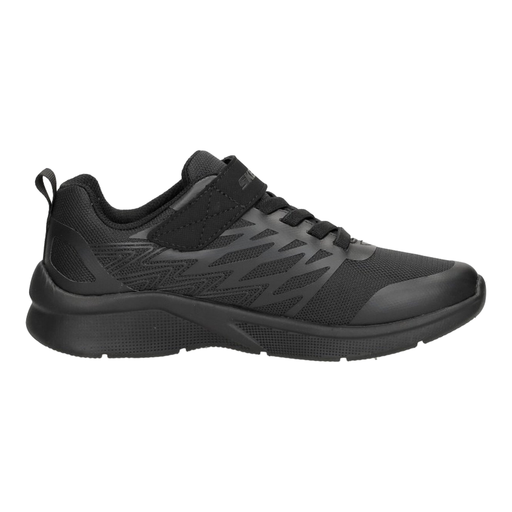
Why it suits this profile: A black children’s shoe for school, everyday wear and play, with a fastening that is easy to use.
The regular fit, size 33 and D width are clearly stated. Elastic laces with a hook-and-loop fastening make putting the shoes on and taking them off easier every day.
Textile upper, rubber sole, regular fit and no removable insole.
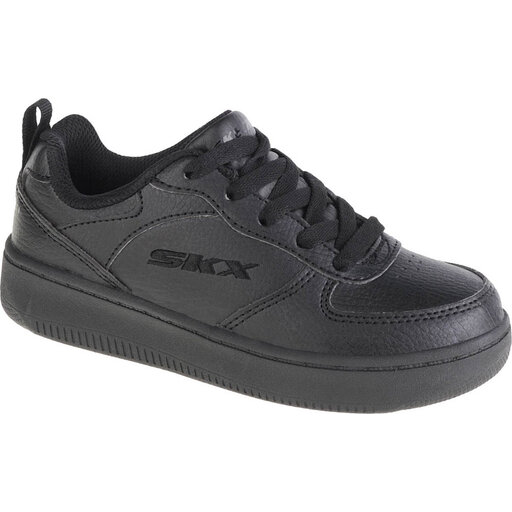
Why it suits this profile: A black low-top trainer for boys who need a classic lace-up style with a understated look.
The product information states a regular fit, D width and specific size advice. This allows you to make a more informed choice than relying on appearance alone.
Synthetic leather upper, rubber sole, lace fastening and size 34.
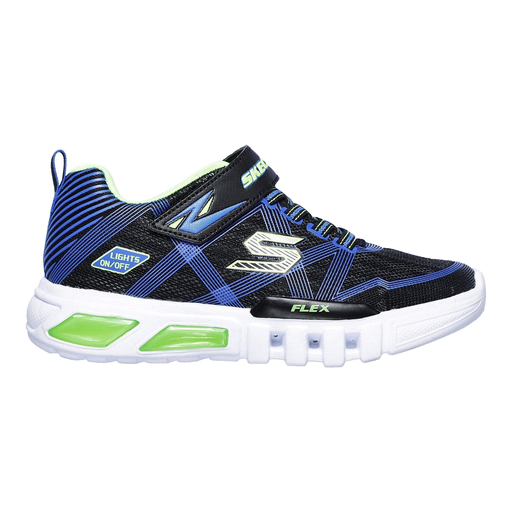
Why it suits this profile: For children who want to wear a standout pair with lights for everyday use.
The size advice states that this model comes up small. Taking this into account before buying reduces the chance of choosing the wrong size.
Mesh upper, elastic laces, hook-and-loop fastening and lights in the sole with an on/off switch.
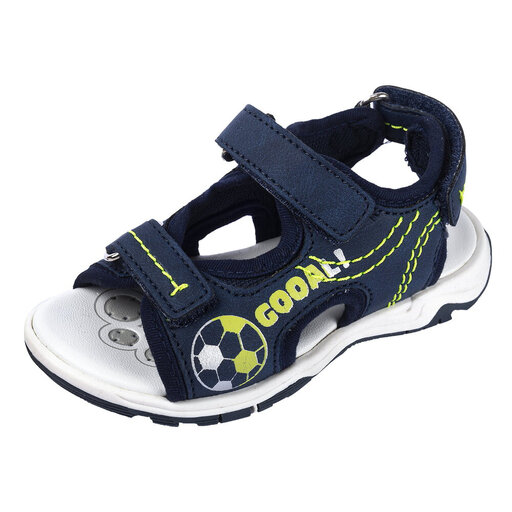
Why it suits this profile: A dark blue sandal for everyday wear in warm weather, when an open style is more practical than boys’ shoes.
The colour, product type, size 260 and material are listed separately. Compare these details with your child’s foot size and intended use.
Dark blue design, sandal style and 100% polyurethane-coated support, according to the product information.
We have put together a complete, up-to-date list of products that fully meet these strict selection criteria and the applicable European safety regulations.
Measure both feet while your child is standing upright and use the size guide for the chosen model. Use the larger foot as your reference. Also check the fit around the toes, heel and instep. An age indication alone is not sufficient.
That depends on your child’s age and independence. Hook-and-loop fastenings and elastic laces are practical for toddlers and children who want to get dressed quickly on their own. Laces can be suitable for children who can tie them independently and prefer an adjustable fastening.
How long they last depends on growth, how often they are worn, the surface they are used on and how well they are cared for. Regularly check that there is still enough room for the toes, that the sole is not heavily worn and that the fastening continues to work properly. Clean the shoes according to the label and allow wet shoes to air dry. This helps limit unnecessary wear, but does not replace checking the fit.
