
Vandaag of morgen in huis

Kwaliteit gegarandeerd

Welkomstaanbiedingen ontgrendelen: GRATIS bezorging | Tot 80% korting | Gratis 30 dagen JoyPlus-proefperiode
Download de app
Children’s shoes need to stand up to school days, playgrounds and unexpected showers. But an attractive look doesn’t guarantee a good purchase. Parents often focus mainly on colour or brand, when it’s the fit, fastening and care instructions that determine whether a pair is practical.
When choosing children’s shoes, look out for these three common pitfalls:
Don’t look at the EU size alone. Check whether the product page mentions a regular fit, shoe width or sizing advice. For example, the Skechers Microspec Texlor is listed as having a regular fit and a D shoe width. Depending on the version, sizes include 30, 32 and 33.
Ideally, measure your child’s feet at the end of the day, when they may be slightly larger. Compare the measurement with the size chart for that specific style. Your child should be able to wiggle their toes, but their heel shouldn’t keep slipping out of the shoe. Don’t automatically order a size up “to allow for growth”: too much room can cause their feet to slide around and make them trip.
If you’re looking for children’s shoes in sizes 28 to 36, it’s worth checking which sizes are actually available for each product. A style in size 28 may have different sizing advice from one in size 36.
Children’s shoes with hook-and-loop fastenings are practical for young children who want to get dressed by themselves. Elastic laces with a hook-and-loop fastening combine a close fit with quick on-and-off convenience. According to the product description, the Skechers Microspec Texlor uses this combination.
Laces can offer a more precise fit, but are less convenient on hectic school mornings. A heel strap, as on the Crocs Classic Clog Kids, can provide extra support when worn in place. Check that the strap fits securely and doesn’t dangle loose.
The material affects care, flexibility and how the shoes can be used:
A shoe with a treaded sole is practical for outdoor use. For indoor wear, non-marking soles may be useful, for example when shoes are worn at school or in a sports hall. Always check the care instructions: many styles shouldn’t go in the washing machine or tumble dryer.
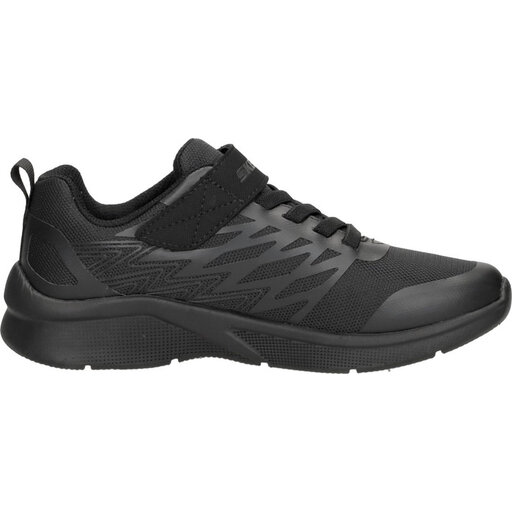
Why it suits these needs: A simple black low-top trainer for school, everyday activities and children learning to put their shoes on independently.
The product information lists a regular fit and an elastic fastening with a hook-and-loop strap. Be sure to check your child’s foot length before choosing size 32.
Textile upper, rubber treaded sole and no laces to tie again every day.
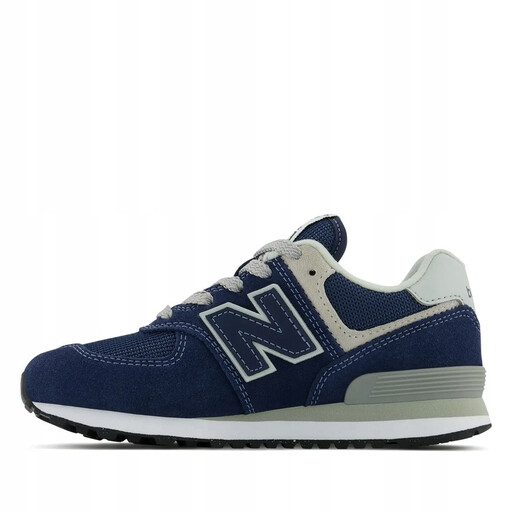
Why it suits these needs: Designed for parents who want to weigh up materials, fastenings and intended use side by side.
The product information specifies suede, synthetic material, mesh, an EVA midsole and a rubber outsole. So your choice isn’t based on looks alone.
Hook-and-loop fastening, rubber treaded sole and, according to the product page, a minimum two-year legal guarantee.
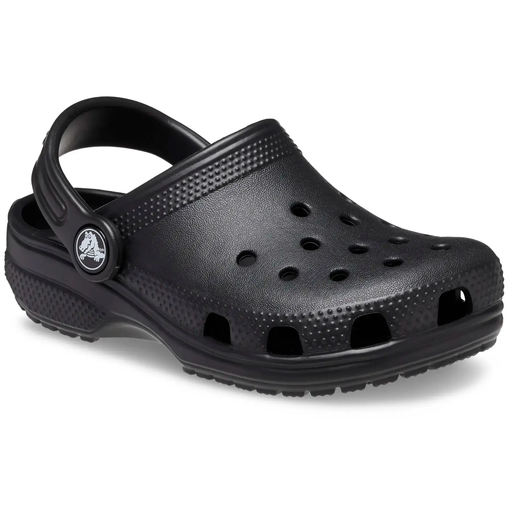
Why it suits these needs: Handy for children who want to slip their shoes on quickly for the garden, holidays, outdoor play or short everyday outings.
Its purpose is clear: this is a lightweight clog with ventilation ports, not a closed sports shoe for intensive training.
Lightweight Croslite material, pivoting heel strap, ventilation ports and easy to wipe clean with a damp cloth.
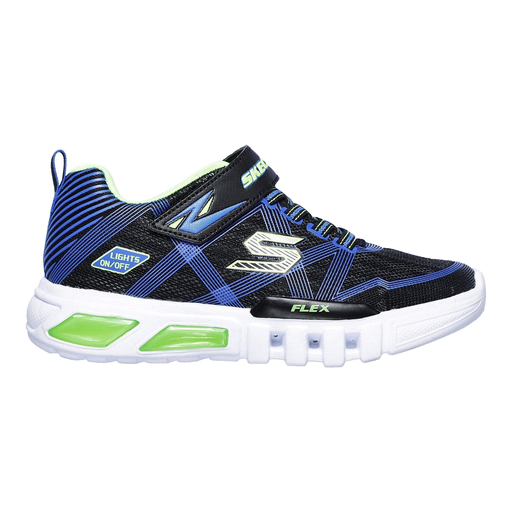
Why it suits these needs: A playful choice for children who like light-up details for school and everyday wear.
The sizing advice says this style comes up small. It also clearly states that it should be cleaned with a damp cloth and not machine-washed.
Mesh upper, elastic laces with a hook-and-loop fastening, and light-up elements with an on/off button.
We’ve put together a complete, up-to-date list of products that meet these strict selection criteria and the applicable European safety regulations.
Even comfortable children’s shoes wear out faster if they’re cleaned incorrectly. Follow these basic guidelines:
Children’s trainers worn outdoors every day can get dirty more quickly than shoes used occasionally. Alternating between two pairs can be useful, as it gives each pair time to dry fully.
Measure both feet and use the size guide for the style you’ve chosen. Use the larger foot as your guide. Also check the specific sizing advice: some styles come up true to size, while others come up small or large.
It depends on the school rules and how they’ll be used. The Crocs Classic Clog Kids is lightweight, easy to clean and quick to slip on. For intensive running, cycling or sports, closed trainers with a treaded sole and a more secure fit may be more practical.
Replace shoes when there’s no room left for the toes, the heel slips out, the sole becomes smooth or the fastening no longer works properly. Check the fit regularly, as children’s feet can grow quickly. Age alone isn’t a reliable guide.
