
Vandaag of morgen in huis

Kwaliteit gegarandeerd

Welkomstaanbiedingen ontgrendelen: GRATIS bezorging | Tot 80% korting | Gratis 30 dagen JoyPlus-proefperiode
Download de app
Children’s shoes need to withstand plenty of wear, be easy to put on and fit the intended activity. Even so, purchases are often based solely on colour, brand or a striking detail. This can result in shoes that are no longer worn after a short time.
When choosing children’s shoes, pay particular attention to these three common pitfalls:
An attractive design without a practical fastening
Laces are not convenient for every child. Especially at school or during outdoor play, shoes with hook-and-loop fastenings can save time and make it easier for children to put them on independently.
Choosing the wrong size by looking only at the number
A size 32 from one brand will not always feel the same as a size 32 from another. So also check the stated fit, shoe width and foot length in the product information.
A special feature that does not suit the intended use
Light-up children’s shoes stand out, but they are not automatically suitable for every situation. Check how the lights work, whether there is an on/off switch and how the shoes should be cleaned. For wet conditions, many textile models are less practical than rubber children’s shoes or shoes with a synthetic upper.
Good sizing advice starts with measuring both feet. Ideally, measure at the end of the day, when feet take up slightly more room. Compare the measurement with the size chart for the specific model.
Also pay attention to:
With children’s shoes featuring hook-and-loop fastenings, it is important that the strap is long enough to close the shoe securely without putting pressure on the instep. A standard fit does not mean that every child needs the same size. Always try shoes on with socks similar to those worn every day.
The upper partly determines how easy the shoe is to care for. Textile can be lightweight and flexible, but usually requires careful cleaning. Synthetic leather is often easy to wipe clean. A rubber or EVA sole can be practical for grip and everyday use, but the sole construction varies from model to model.
Check the product specifications for:
A brand’s anti-slip or comfort claim should not be presented as a definite result without a source. That is why this guide uses verifiable features from the product descriptions, such as material, fastening, size and sole type.
For school, girls’ trainers and boys’ trainers with a secure fastening are often practical. For outdoor play, the key considerations are a sole that provides sufficient grip and an upper that is easy to clean. On warm days or indoors, a more lightweight clog model can be comfortable, provided it is suitable for the activity.
Light-up models are particularly appealing to children who value a colourful look. However, check whether the lights affect how the shoes should be cleaned. For the Skechers Heart Lights and Skechers Flutter Heart Lights, for example, the product information states that they have a rubber sole, a textile upper and should be cleaned by hand with a soft, damp cloth.
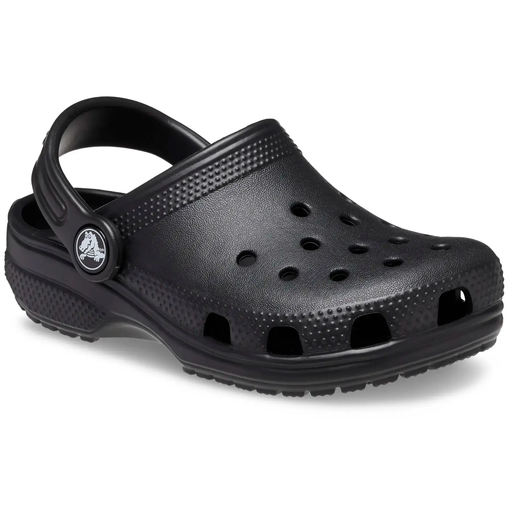
Why it suits this profile: This clog model is easy to put on and take off and has an adjustable heel strap. This makes it practical for children who want to put their shoes on independently.
The fit can be adjusted using the rotating heel strap. According to the product information, the material is easy to clean with a damp cloth.
Lightweight Croslite/EVA construction, ventilation holes, non-marking sole and a unisex design.
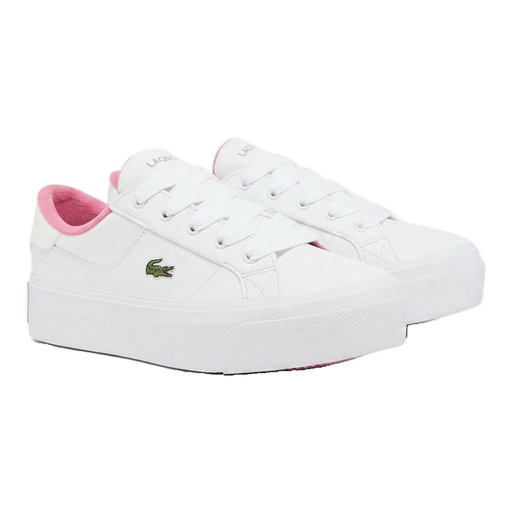
Why it suits this profile: For everyday use with a clean design, this model combines synthetic leather, textile and a padded EVA insole.
The product information lists a rubber outsole and a lightweight construction. Before buying, check the available size and fastening in the current listing.
Premium synthetic leather and textile, a padded EVA insole and a rubber outsole.
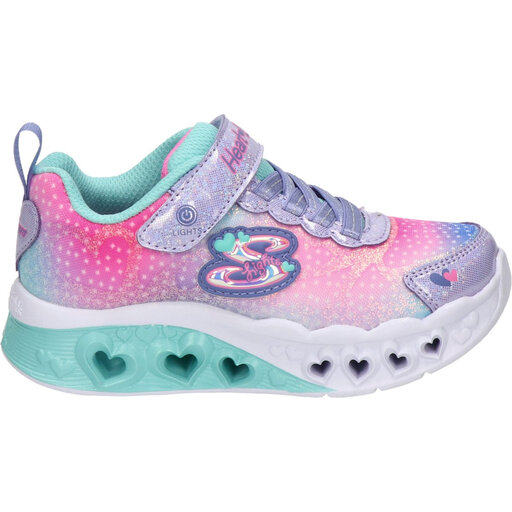
Why it suits this profile: This model is designed for children who value light-up details and a colourful design for school, play and everyday use.
The shoe has a hook-and-loop fastening and a standard fit. This makes it practical to put on, but checking the size is still essential.
Textile upper, light-up details, lightly padded lining and flexible rubber sole.
We have put together a complete, up-to-date list of products that fully meet these strict selection criteria and the applicable European safety regulations.
How long shoes last depends on the material, how they are used and how they are cared for. Clean textile trainers with a soft, damp cloth and mild soap. For stubborn dirt, use a soft brush. Allow shoes to dry at room temperature and avoid radiators, hairdryers and prolonged direct sunlight. Only machine wash models when the product information explicitly says that it is suitable.
Check regularly:
A child may move up a size without it being immediately obvious. Measure their feet again when their toes touch the front, the shoe feels tight or the child starts walking differently.
There should be enough room for the toes to move without the foot sliding forwards. Use the brand’s size chart and check the fit with the socks the child normally wears. A fixed extra allowance for every model is not reliable, as the shoe’s last differs from one model to another.
That depends on the school’s policy and the model. Check whether the lights are permanently on or can be switched off. According to the product information, some larger sizes of Skechers Flutter Heart Lights include an on/off switch. Also check the care instructions before making your choice.
This varies according to how intensively they are used, the material and how quickly the child grows. Shoes worn every day at school wear differently from shoes worn only indoors. Check the sole, fastening and fit regularly. A shoe that still looks tidy but has become too small should be replaced.
