
Vandaag of morgen in huis

Kwaliteit gegarandeerd

Welkomstaanbiedingen ontgrendelen: GRATIS bezorging | Tot 80% korting | Gratis 30 dagen JoyPlus-proefperiode
Download de app
A children’s scooter may seem simple: two or three wheels, handlebars and a brake. Yet parents regularly make purchasing decisions that disappoint them later. A model may quickly become too small, be difficult to steer on pavements or be less suitable for the intended use.
Pay particular attention to these three pitfalls:
A toddler scooter or three-wheel children’s scooter is often designed for young children who are still learning to steer and develop their balance. With two wheels at the front, the platform is generally more stable than on a two-wheel model. A lean-to-steer children’s scooter responds to shifts in body weight rather than simply turning the handlebars. This may take a little getting used to at first.
A children’s scooter from the age of 3 should at least be suitable for:
Age indications such as “3-10 years” are a guideline. Also use the dimensions, maximum load and safety warnings on the product page.
An adjustable children’s scooter can grow with your child for longer. Check not only the number of positions, but also the minimum and maximum handlebar height. Handlebars that are not suited to the child’s height can reduce control.
Also note the difference between adjustable and folding handlebars. A folding children’s scooter is convenient for the car, storage or holidays, but being foldable says nothing about the quality of the handlebar mechanism. Before every use, check that the locking mechanism is securely fastened.
A wide deck gives beginners more room for both feet. An anti-slip children’s scooter often has a deck with a textured or non-slip surface. This can help keep the feet in place, but a wet surface will still be slippery.
Also look at:
On many models, light-up wheels work through the movement of the wheel. According to the relevant manufacturer’s product description, the wheels do not require batteries for this. Lighting in the deck may require batteries, however; the Beleev V2, for example, is stated to require two AA batteries for the deck lighting.
A scooter for boys and girls intended for relaxed outdoor use has different requirements from a model designed for a skatepark. Use a recreational children’s scooter on a flat, dry surface and not in busy traffic. A helmet and suitable protective gear are sensible, especially for young children and when learning new movements.
Before buying, check whether the product page provides clear information about:
A CE mark or safety statement is not a reason to ignore warnings. Read the instructions and check the bolts, clamps, wheels and brake before use.

Why it suits this profile: According to the product title, this model is intended for children aged 3 to 10 and combines three wheels with adjustable handlebars. This makes it a logical choice for first rides outdoors.
The three-wheel base means you do not immediately buy a two-wheel model for a beginner. The product name mentions the wide anti-slip deck; check the exact finish when the product arrives.
Three wheels, light-up wheels, adjustable handlebars and lean-to-steer control according to the product information.

Why it suits this profile: For families who value portability and room to grow, this model offers three handlebar heights, a folding design and a stated maximum load of 110 lb, according to the product description.
The adjustable handlebar height reduces the chance of your child outgrowing it quickly. Bear in mind that the stated load works out at approximately 50 kg and must remain suitable for the individual child.
Foldable, 6.1 lb product weight according to the description, three adjustable heights and a rear brake.
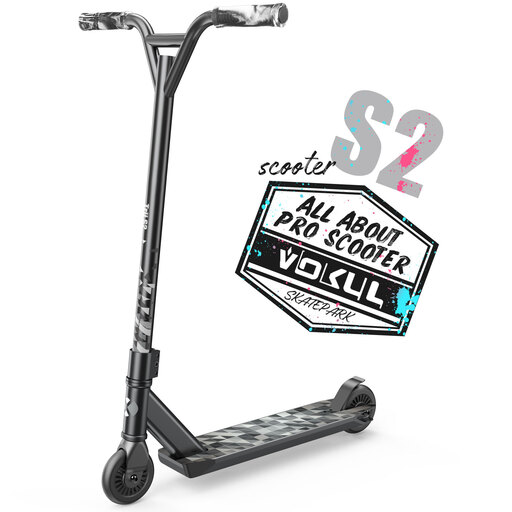
Why it suits this profile: This is a freestyle stunt scooter for children and young people who want to learn basic tricks. The product information specifies a target age of 7 to 14 and use at a skatepark or on the street.
The fixed handlebars and reinforced deck are designed for stunts, not compact storage or growing with your child. This prevents you from using a recreational model for intensive trick riding.
6061 aluminium frame, 4130 chromoly handlebars, triple clamp, 100 mm polyurethane wheels and rear brake according to the product specifications.
We have put together a complete, up-to-date list of products that fully meet these strict selection criteria and the applicable European safety regulations.
A children’s scooter will remain usable for longer if you remove sand and moisture after riding. Check regularly:
Store a folding children’s scooter in a dry place. Only use a stunt scooter on a surface suitable for the model, and stop riding if any parts are bent, loose or visibly worn. An exact service life cannot be determined in advance; riding frequency, surface, load and maintenance all make a significant difference.
According to their product information, many three-wheel children’s scooters are intended for children from around 3 years old. Always check the age limit, handlebar height, maximum load and warnings for the specific model. Adult supervision remains advisable during the first rides.
Light-up wheels can make the scooter more visible, but they are not a substitute for proper lighting. Do not let a child ride in traffic and use additional visibility at dusk, such as reflective clothing. Also check whether the lights work through movement or require batteries.
A dedicated stunt model is more suitable for this. A freestyle stunt scooter generally has fixed handlebars, two wheels and a reinforced deck. An adjustable three-wheel children’s scooter is primarily intended for recreational riding and learning to steer, not for jumps or tricks.
