For a children’s party, first choose toast that suits the children’s allergies and the way you plan to serve the snacks, rather than choosing it for its festive appearance alone. Plain Melba toast makes a versatile base for different toppings; multigrain Melba toast and toast cups offer different ingredients or shapes, but you’ll need to check the current label for each. Also ask the venue in advance whether it has any requirements, and keep the toast and toppings separate until serving.
Who is this choice relevant to?
Parents checking allergens in advance
If children have different allergies or dietary requirements, you’ll want to check the ingredients and allergens on each pack. The Voedingscentrum recommends asking in advance whether any children avoid certain products.
Organisers serving small bites
When you’re catering for a group, the packaging and shape of the toast matter in practical terms. For example, Albert Heijn lists its plain Melba toast as 12 sachets containing 6 pieces of toast each; toast cups offer a different way to present toppings.
Parents comparing nutritional information
If you’re looking for toast with a celebratory feel, you can compare the fibre, salt, ingredients and allergens on the label. These details tell you more about the variant you’re choosing than the word ‘premium’ does.
What should you look for when choosing?
First, find out which children will be eating. Then choose a type and pack of toast to suit your toppings and how many times you plan to serve it.
Plain Melba toast
A good choice when: You want different toppings to provide the flavour and plan to serve the toast in small batches; Albert Heijn’s plain Melba toast comes in 12 sachets containing 6 pieces of toast each.
Consider: Plain doesn’t mean allergen-free: this variant contains wheat, barley and soya, among other ingredients.
Multigrain Melba toast
A good choice when: You specifically want to compare a multigrain variant by its ingredients and nutritional value; Van der Meulen’s Melba Meergranen Toast lists 45% wholemeal wheat flour.
Consider: This variant contains wheat, oats, rye, sesame and soya, among other ingredients. Check first that it’s suitable for the children who will be eating.
Toast cups
A good choice when: You want to serve toppings in individual toast cups; ALDI and Jumbo, among others, list cup-shaped options in their ranges.
Consider: The shape tells you nothing about the ingredients or allergens. Check the details for the exact product.
| What to consider |
What to check when buying |
Who it matters most to |
| Allergens and dietary requirements |
Ask about dietary requirements in advance and check the ingredients and any ‘may contain’ warnings on the current pack. |
If a child has an allergy or other dietary restriction, I want to know which toast is suitable before serving it. This is the top priority for around 33% of consumers. |
| Flavour and toppings |
Compare a plain base with seasoned toast, and choose a flavour that works with your toppings. |
When children want different toppings, I’d rather choose a base whose flavour isn’t already determined by seasoning. Around 27% of consumers give this the highest priority. |
| Portions and serving style |
Check the number of pieces of toast or how the pack is divided, and choose a shape that suits your serving plan. |
If I’m serving food in several small batches, I don’t want to have to open or top all the toast at once. This is the most important consideration for around 20% of consumers. |
| Nutritional information |
Compare fibre, salt and ingredients per 100 g, and consider the portion you plan to serve and the toppings. |
When I compare two variants, I want to know what will be served per portion. This is the most important factor for around 20% of consumers. |
Common mistakes
-
Assuming ‘multigrain’ is suitable for every allergy
According to the product information, Van der Meulen’s Melba Meergranen Toast contains wheat, oats, rye, sesame and soya, among other ingredients. So the name of the grain mix doesn’t answer questions about individual allergens.
Ask about any restrictions in advance and check the ingredients and warnings on the exact pack.
-
Treating online product information as the definitive label
Ingredients and allergen information can change. The pack you’re serving is therefore the one to check for the latest details.
Use product pages to compare options, then check the pack you’ve bought again before serving.
-
Topping all the toast well in advance
Toast and toppings don’t have the same storage requirements. For food that spoils quickly, the Voedingscentrum recommends a fridge temperature of 4 °C.
Store dry toast as directed on the packaging, keep perishable toppings chilled and prepare small amounts just before serving.
Toast that has been topped and left out for a long time may lose its crunch.
-
Treating ‘premium’ as nutritional information
A festive name or appearance doesn’t tell you how much fibre or salt the toast contains, or which allergens are listed.
Compare the nutritional information and ingredients of the specific variants you’re considering.
Brands and ranges to consider
Albert Heijn
AH Melba toast naturel is one example of a pack designed for several servings: Albert Heijn lists 240 g, divided into 12 sachets containing 6 pieces of toast each.
- The individual sachets make it easy to open the toast in stages.
- This variant contains wheat, barley and soya, among other ingredients; check the other allergen information on the pack too.
Van der Meulen
Van der Meulen’s Melba Meergranen Toast is a specific 120 g multigrain option containing 45% wholemeal wheat flour, according to the product information listed by Jumbo.
- The nutritional information provided makes it easy to compare: 7.5 g fibre and 1.5 g salt per 100 g.
- This variant contains wheat, oats, rye, sesame and soya, among other ingredients.
Jumbo
Jumbo lists a range of toast shapes, including Melba toast, crisp toast and snack cups.
- You can compare different shapes for toppings or presentation.
- Ingredients and allergens vary from product to product; check each variant individually.
ALDI
ALDI lists Sun Snacks Toast Cups Naturel, among other options, as a shape to consider for a party table.
- Cup-shaped toast offers a different presentation from flat pieces of toast.
- For dietary requirements, check the ingredients and allergens on the pack you choose.
Lidl
Lidl Netherlands lists 240 g Melba Toast and Party Toast as different product types.
- The listed product types give you a starting point for comparing packaging and presentation.
- The Melba Toast listing says it is available in store; check the current pack and availability there.
Toast products at Joybuy
These products offer Melba toast and rice toast as a base for snacks at a children’s party. Compare the pack sizes and, if there are dietary requirements, always check the label on the product you choose.
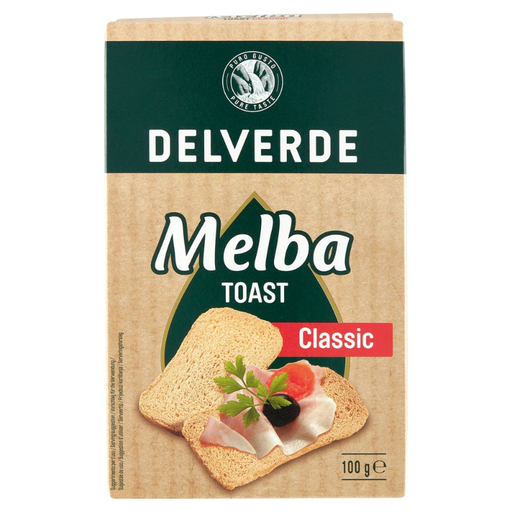 Image unavailable
Delverde Classic Melba Toast 100 g
Melba toast to consider if you want to serve a variety of toppings. The pack contains 100 g; check the current label for allergens before serving. Bear in mind that its hard, crunchy texture may be unsuitable for young children.
View at Joybuy
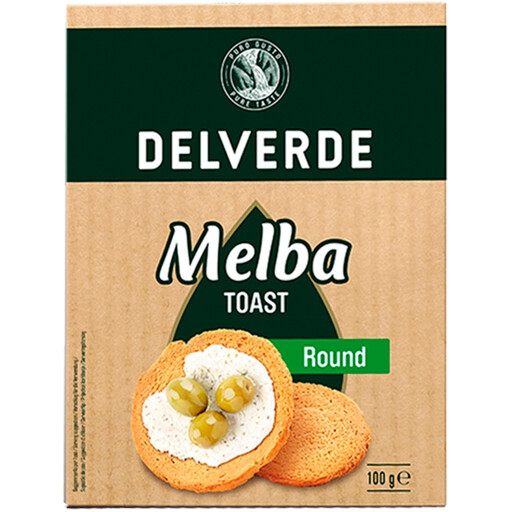 Image unavailable
Conimex Delverde Melba Toast Round 100 g
The round shape is an option if the presentation of individual pieces of toast matters to you. The pack contains 100 g; check the label for allergens and supervise young children while they eat hard, crunchy toast.
View at Joybuy
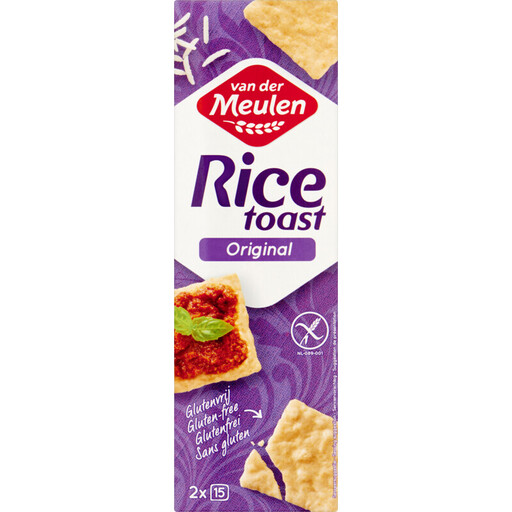 Image unavailable
Van Der Meulen Rice Toast Natural 65 g
Rice toast is another type to compare for your party table. The pack contains 65 g. The allergen information in the product description is contradictory, so don’t assume this toast is suitable for a child with an allergy without checking the current pack.
View at Joybuy
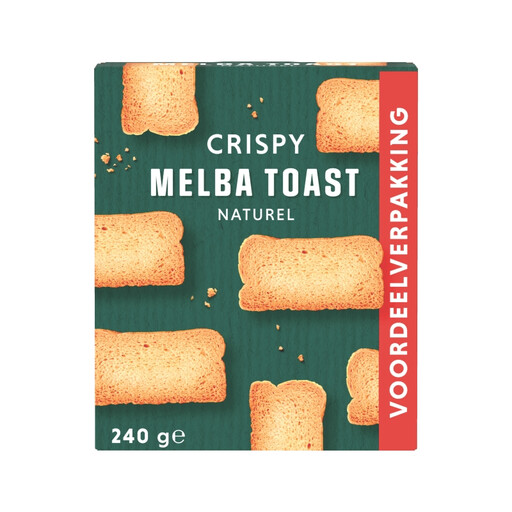 Image unavailable
Crispy Melba Toast 240 g
This 240 g pack is worth considering when working out how much Melba toast you’ll need for a group. Also check the number of pieces on the pack. The allergen information in the product description is contradictory; if there are dietary requirements, rely on the current label.
View at Joybuy
Frequently asked questions
Does toast for a children’s party always have to be gluten-free?
No. First find out whether any of the children have allergies, coeliac disease or other dietary requirements, then choose a suitable product. According to the European information provided by Your Europe, allergens in prepacked foods must be emphasised in the ingredients list. Also check any warnings on the current pack; ‘multigrain’ is no substitute for doing so.
When should I add the toppings?
If you want the toast to stay crisp, add toppings in small batches just before serving. Store dry toast as directed on the packaging and keep perishable toppings chilled; the Voedingscentrum recommends a fridge temperature of 4 °C.
Does all toast contain iodine because of baker’s salt?
No. Don’t assume that all toast is made with the same salt or has the same iodine content. If the ingredients matter for a child, check the current packaging and discuss any specific dietary questions with their parent or carer.
Can I take toast in as a treat for school or after-school club?
Ask the school or after-school club about its rules in advance. The Voedingscentrum points out that venues may have a policy on treats; check the toppings and any dietary requirements too before preparing the snacks.


