
Vandaag of morgen in huis

Kwaliteit gegarandeerd

Welkomstaanbiedingen ontgrendelen: GRATIS bezorging | Tot 80% korting | Gratis 30 dagen JoyPlus-proefperiode
Download de app
A good start in children's dental care lays the foundation for a lifetime of healthy teeth. But as a parent, it's easy to get lost in the vast array of options. From cheerful packaging to tech features, brands do everything they can to grab your attention. Unfortunately, this doesn't always lead to the right purchase. Let's look at a few common pitfalls that can unnecessarily drive up costs.
Pitfall 1: Falling for the character, not the brush A toothbrush featuring a popular cartoon character might seem like a smart way to make brushing fun. But often, the cheerful design hides bristles that are too hard, a clumsy size, or an electric version that's too powerful for a child's mouth. The focus is on marketing, not functionality.
Pitfall 2: The 'one-size-fits-all' electric toothbrush Not every electric toothbrush for a child is the same. A brush for a three-year-old requires different specifications than one for a ten-year-old. A brush head that's too large can damage the gums and fail to properly reach the back molars. A motor that's too powerful can feel unpleasant and discourage children from brushing.
Pitfall 3: The wrong amount of fluorideFluoride toothpaste is crucial for strengthening enamel. However, the required amount, expressed in parts per million (ppm), varies by age. A toddler's toothpaste has a lower concentration than a toothpaste for ages 6 and up. Choosing the wrong type can reduce its effectiveness.
To avoid these pitfalls, it's helpful to focus on a few objective specifications. These features determine whether a product is truly suitable for your child.
The most important factor is age suitability. This determines the size of the brush head and the softness of the bristles.
The Ivory Cross (a leading Dutch oral health association) provides clear recommendations on fluoride content in toothpaste, tailored to age:
Always check the packaging for the ppm value.
Below is a selection of products, matched to the specific needs of parents and children.
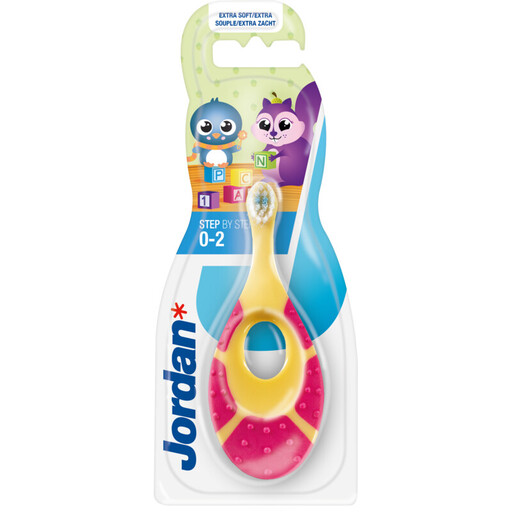
Why This Fits Their Persona: Perfect for parents who want to get their baby accustomed to brushing. The brush is designed with the littlest ones in mind, prioritising safety and comfort.
This isn't a downsized adult brush. The design is specific to babies, with a short neck to prevent the brush from going too deep into the mouth and a handle that doubles as a teether.
The combination of a toothbrush and teether helps soothe sore gums. The ergonomic ring grip is easy for both parent and child to hold.
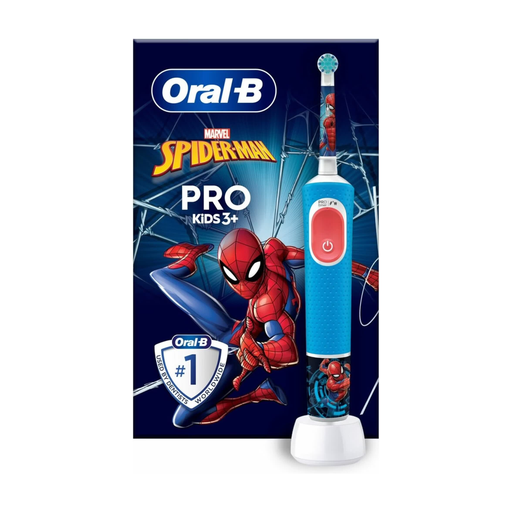
Why This Fits Their Persona: For parents who want to turn the daily brushing battle into a fun moment without compromising on cleaning quality. Suitable for children aged 3 and up.
This model combines a popular theme with child-friendly technology. It's not a 'one-size-fits-all' brush; it features a unique sensitive mode and a small brush head designed specifically for children.
Works with the free Disney Magic Timer app from Oral-B to encourage brushing for the recommended two minutes. The extra-soft bristles are gentle on gums.

Why This Fits Their Persona: Ideal for parents who want to use technology to interactively teach their children proper brushing habits and monitor their progress.
The app is more than a gimmick. It provides real-time feedback on brushing performance via Bluetooth and allows parents to track progress. This makes it a functional tool rather than just a distraction.
The interactive app, featuring the virtual pet Sparkly, motivates children to brush longer and better. The sonic technology ensures a thorough clean, even in hard-to-reach areas.
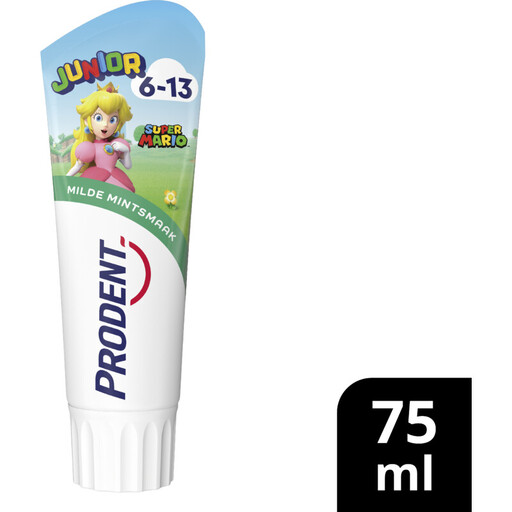
Why This Fits Their Persona: For parents of older children who are getting their permanent teeth. This toothpaste provides the right protection for new permanent teeth and has a flavour and theme that appeal to this age group.
This toothpaste directly addresses the fluoride pitfall. It is specifically formulated for ages 6-13 and contains the recommended amount of fluoride (1450 ppm F) to protect the vulnerable enamel of new teeth.
Offers effective cavity protection and helps strengthen enamel during the important transition period. The mild mint flavour is often more appealing to older children than sweet fruit flavours.
We have compiled a complete, up-to-date list of products that meet these strict selection criteria and safety standards, starting with the very youngest.
Most manufacturers, like Oral-B and Philips, recommend an electric toothbrush from age 3. It's important to choose a model designed specifically for children. These have a smaller brush head, softer bristles, and often a special mode for sensitive children's teeth. Always supervise during brushing.
The advice from leading dental health associations is key. For children from 0 to 4 years old, a toddler toothpaste with 500 to 750 ppm of fluoride is recommended. From age 5, they can switch to a toothpaste with 1,000 to 1,500 ppm of fluoride, which is the same as most adult toothpastes or special junior versions.
Consistency and routine are key. Make it a fixed part of the morning and evening. Use a toothbrush with a fun design or colour, brush together, use an hourglass or an app with a timer, or sing a song. A reward system with stickers for each successful brushing session can also be motivating. The most important thing is to keep it positive and struggle-free.
