
Vandaag of morgen in huis

Kwaliteit gegarandeerd

Welkomstaanbiedingen ontgrendelen: GRATIS bezorging | Tot 80% korting | Gratis 30 dagen JoyPlus-proefperiode
Download de app
Children’s clothing needs to stand up to everyday wear and tear. A T-shirt goes to school, a hoodie is worn outdoors, and baby clothes regularly have to cope with stains and washing. Even so, many shoppers focus mainly on colour, brand or discount. As a result, important differences in material, size and practicality sometimes only become apparent after purchase.
With these practical selection tips, you can avoid common buying mistakes and find children’s clothing that fits more easily into everyday life in the UK.
A size label such as “6 months” or “5–6 years” is a useful starting point, but it does not guarantee a good fit. Children do not all grow in the same way. So also check the length in centimetres, chest measurement and the brand’s size guide.
With baby clothes, just a few centimetres can make a difference. For example, a Chicco set in size 056 is intended for an age range of 0 to 3 months, while size 062 is suitable for approximately 3 to 6 months according to the product information. Always check the current product page before placing your order.
“Soft”, “durable” or “eco” do not mean much on their own. Check the fabric composition. A shirt made from 100% cotton feels different from a garment made from 95% cotton and 5% elastane. Elastane can provide extra freedom of movement, while a pure cotton garment has a different structure and fit.
The Tommy Hilfiger children’s clothing in this selection is described as containing organic cotton. When a brand refers to a certification or environmental impact, treat that statement as a claim made by the brand or certifying body, rather than as a general guarantee covering the garment’s entire lifespan.
A garment may seem suitable for everyday wear, but washing it incorrectly can affect its fit and appearance. So check the following before buying and after delivery:
For example, the product information for a light grey Tommy Hilfiger hoodie states that it should be washed at 30 °C, not tumble-dried and ironed at a low temperature. If it only says “follow the care label”, use the physical label as your guide.
Choose a size based on your child’s body measurements, not just their age. For babies, length and chest measurement are important. For older children, also consider shoulder width, waist and inside leg length.
Clothing for school or leisure should allow enough freedom of movement, but it should not be so loose that sleeves or trouser legs get in the way. When layering, such as wearing a long-sleeve T-shirt under a children’s jumper, a slightly looser fit can be practical.
Pay attention to the full material composition:
Fabric composition does not tell you everything about comfort. Thickness, finish and fit also matter. So read the product description and view the photos from several angles.
For everyday wear, children’s T-shirts, long-sleeve T-shirts and simple children’s clothing sets are often easy to mix and match. Children’s hoodies and jumpers are more useful as an extra layer on cooler days. For babies, sleepsuits and sets with matching trousers can save time when getting dressed.
Also look at the fastening. With baby clothes, a practical opening can make changing easier. For older children, a crew neck, elasticated trims or a kangaroo pocket are mainly functional details.
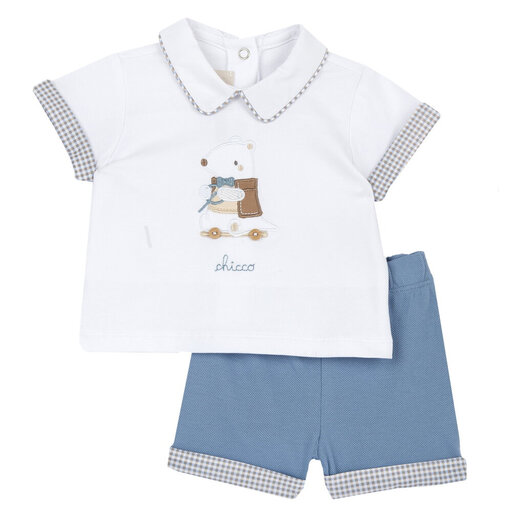
Why it suits this profile: This 2-piece set combines a T-shirt and shorts in one purchase. That is practical for parents looking for a complete everyday outfit quickly.
Size 062 and the corresponding age range are clearly stated. The fabric composition of 95% cotton and 5% elastane is also specified.
Two-piece outfit, light blue colour and a flexible cotton blend.
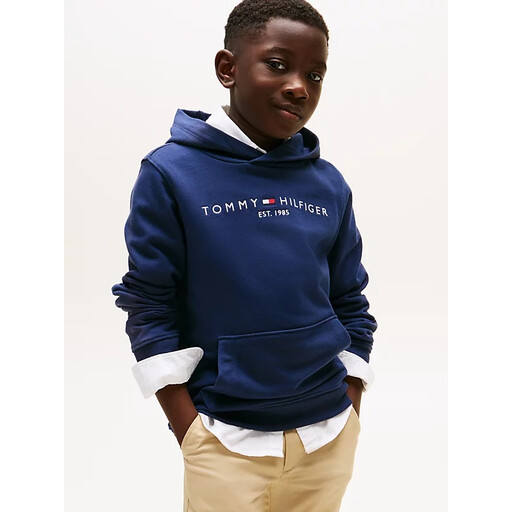
Why it suits this profile: This hoodie is designed for school, weekends and relaxed everyday wear. Its gender-inclusive design makes it easy to mix and match.
The product information specifically mentions organic cotton, a kangaroo pocket and ribbed trims, rather than making only general comfort claims.
100% organic cotton according to the product description, hood, kangaroo pocket and ribbed cuffs.
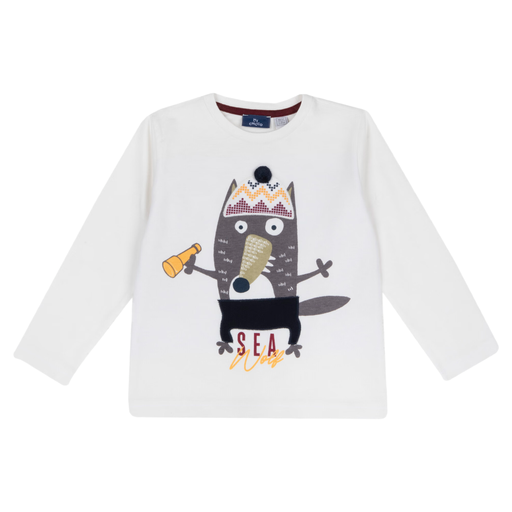
Why it suits this profile: A white long-sleeve top works well as a base layer under a children’s jumper or hoodie and goes with a range of outfits for school and leisure.
The size guide includes chest, waist and hip measurements. This allows you to check the fit instead of relying solely on age.
Long-sleeve design, white colour and size 116 with corresponding body measurements in the product information.
We have put together a complete, up-to-date list of products that fully meet these strict selection criteria and the applicable European safety regulations.
Use this quick checklist before paying for children’s clothing:
For a present, neutral colours such as white, light blue, grey or navy are often easy to mix and match. A children’s clothing set is practical when you want a complete outfit straight away. For everyday changes of outfit, separate T-shirts, children’s hoodies and long-sleeve T-shirts can give children more styling options.
Measure your child’s height, chest, waist and, if necessary, hip measurement. Compare these figures with the size guide on the product page. Use age only as an indication. For baby clothes, the centimetre size and age range are particularly important.
Not automatically. According to the product description, organic cotton may be used as the material, but comfort also depends on the weave, thickness, finish and fit. Check the full composition and care instructions.
A T-shirt or long-sleeve T-shirt often works well as a base layer. You can wear a sweatshirt, children’s jumper or hoodie over it. When layering, choose a fit that leaves enough room around the shoulders and arms without the garment riding up.
