
Vandaag of morgen in huis

Kwaliteit gegarandeerd

Welkomstaanbiedingen ontgrendelen: GRATIS bezorging | Tot 80% korting | Gratis 30 dagen JoyPlus-proefperiode
Download de app
When it comes to children's clothing and children's shoes, a low price or eye-catching design can sometimes seem like the deciding factor. Yet most disappointing purchases result from three recurring pitfalls:
Buying based on age alone
A label such as “6 months” does not mean the same thing for every brand. So also check the clothing size in centimetres, the size chart and the fit. Babies also grow quickly, meaning a garment that fits well today may become too small within a short time.
Confusing material claims with suitability
“Soft”, “breathable” and “comfortable” are not fixed quality standards. Check the composition. For example, a baby bodysuit made from 95% cotton and 5% elastane has different stretch properties from a shirt made from 100% cotton. According to the product information, the Chicco bodysuit consists of 95% cotton and 5% elastane; always follow the care label when washing.
Choosing shoes based on appearance rather than fit
A striking colour or character says nothing about whether the size is right. Pay attention to the length, width, fastening and sole. A shoe that is too loose may shift while playing, while a model that is too tight leaves little room for growth. Use the stated size as a starting point and check foot length according to the manufacturer's instructions.
For baby clothing by age, the figures on the label are often based on body length. For example, size 056 refers to approximately 56 cm and is linked to 0–3 months in the product information. Size 068 is linked to 68 cm and 6–9 months. These are guidelines, not a guarantee that every child will wear the same size.
When buying girls' clothing, boys' clothing and baby clothing, check:
For everyday use, short-sleeved baby bodysuits, baby sets and children's shirts are practical. On warm days, children's shorts, girls' skirts and lightweight tops can be useful. For sleeping, choose a well-fitting set and check the care instructions for children's pyjamas.
Cotton is widely used in baby and children's clothing. However, how it feels to wear also depends on the weave, thickness and addition of elastane. A composition of 100% cotton does not automatically mean the same fit or durability for every garment.
Pay attention to:
According to the product information, the Chicco two-piece sets with T-shirt and shorts are made from 95% cotton and 5% elastane. The Chicco shorts in dark blue consist of 90% cotton and 10% viscose, according to the same source. This makes it important to check the composition of each item rather than relying solely on the brand.
For children's sandals, children's trainers and models such as Crocs for children, check the size chart first. Then look at the fastening. Velcro is easy for children to use independently and can help adjust the fit. A heel strap can provide extra support with clogs.
The product information for the Skechers Meteor-Lights – Krendox states that it has a regular fit, shoe width D, a Velcro fastening, a synthetic upper and a rubber sole. The manufacturer states that the model fits true to size; always check this against the current size chart.
According to the product description, Crocs models use Croslite material. The Classic Clog has ventilation openings and a swivelling heel strap. The stated EU sizes range from small children's sizes to larger sizes. Clean these clogs according to the specified instructions, including with a damp cloth and without using high heat.
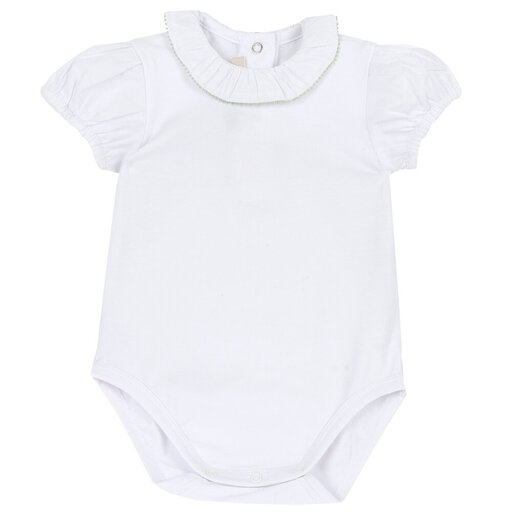
Why it suits this profile: This white short-sleeved bodysuit is a straightforward choice for everyday use with a baby measuring approximately 56 cm.
The size 056 and age indication of 0–3 months are clearly stated. This means you do not have to rely solely on a general age indication.
95% cotton and 5% elastane; short sleeves; white colour; care according to the washing label.
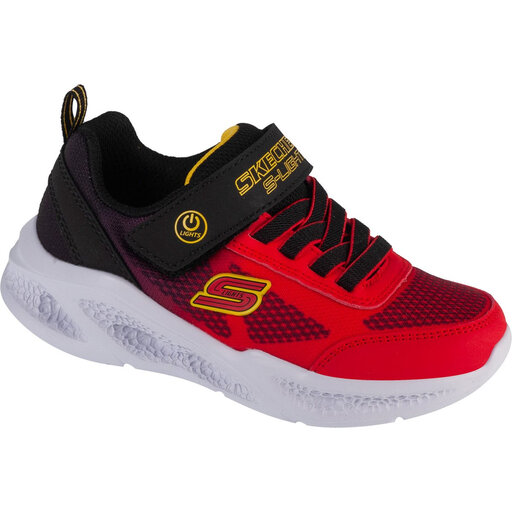
Why it suits this profile: For parents who want to take details such as width, fastening and sole material into account when choosing children's trainers for school, play and everyday use.
The description states that it has a regular fit, shoe width D and a Velcro fastening. This means important fit information is available before purchase.
Size 32; synthetic upper; rubber sole; high-top design with Velcro.
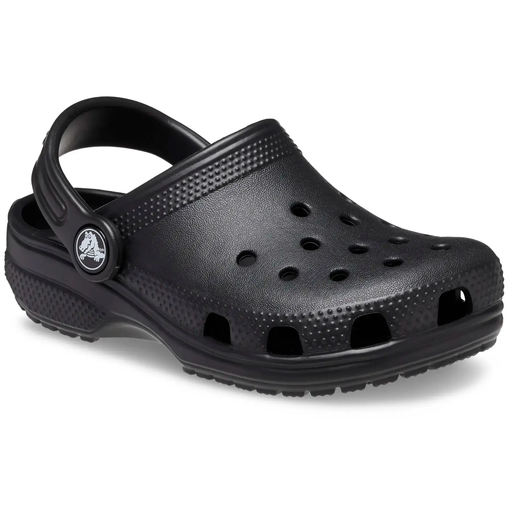
Why it suits this profile: A practical option for children who regularly switch between indoors, outdoors and play, and for parents who value easy care.
The size chart includes EU sizes and foot lengths. The swivelling heel strap helps adjust the fit, while the care instructions are clear.
Lightweight Croslite construction; ventilation openings; adjustable heel strap; unisex design.
We have compiled a complete, up-to-date list of products that fully meet these strict selection criteria and the applicable European safety regulations.
Measure your child's height and compare it with the brand's size chart. Also check chest, waist and hip measurements where these are provided. For baby clothing by age, age is only an indication. Do not choose a much larger size for sleepwear or clothing with loose parts, as a good fit remains important.
This depends on your child's age, the season and how often you wash clothes. For babies, several baby bodysuits and a few baby sets are practical, as frequent changes may be needed. For toddlers and young children, you can supplement the basics with children's shirts, children's shorts, a warm layer and a few children's pyjamas. Consider how the clothes will be used before buying more.
Check regularly that there is still enough room for the toes, that the heel does not slip out of the shoe and that the fastening continues to work properly. Also replace shoes when the sole is visibly worn or misshapen. Children can outgrow shoes without immediately complaining, so checking the size and fit each month helps prevent an unnecessary disappointing purchase.
