
Vandaag of morgen in huis

Kwaliteit gegarandeerd

Welkomstaanbiedingen ontgrendelen: GRATIS bezorging | Tot 80% korting | Gratis 30 dagen JoyPlus-proefperiode
Download de app
Children’s clothing needs to withstand daily wear, be comfortable and suit the season. Yet buying online isn’t always straightforward. Photos don’t show how thick a fabric is, size labels vary from brand to brand, and terms like “sustainable” don’t tell you much without material information.
With this guide, you can compare children’s clothing online on points you can actually check. Afterwards, you’ll find a selection for babies, toddlers, schoolchildren and teenagers, including Chicco children’s clothing and Tommy Hilfiger children’s clothing.
A label like “4 years” isn’t a fixed size. Children’s height and fit vary. For many clothes, the European size is linked to height in centimetres, for example size 98 for roughly 3 to 4 years. So always check the size chart for the specific product.
“Soft”, “premium” or “eco” aren’t full material specifications. Look at the fibre composition, the presence of elastane and the washing instructions. A garment made of 95% cotton and 5% elastane has different properties to a shirt made of 100% cotton.
With organic cotton children’s clothing, it’s also wise to check exactly what the product description says. According to the product description of various Tommy Hilfiger models, the main material is organic cotton. That’s a product specification; it doesn’t automatically tell you how long a garment will last or how it will feel after many washes.
Children often need several changes for school, childcare and sports. A standout set can be fun, but it’s less practical if it’s hard to mix and match. Basic items like children’s long-sleeved T-shirts, children’s sweaters, children’s hoodies, leggings and children’s underwear usually make a useful addition to the wardrobe.
Measure your child’s height if possible and compare it with the product size chart. Also pay attention to:
In the Chicco size charts, many models range from baby sizes like 44 and 50 up to children’s sizes 140 or 152. The exact conversion to age varies by product. So don’t buy solely based on “baby”, “girls’ clothing” or “boys’ clothing”.
For daily use, material and construction matter more than just colour or brand. Check whether the product contains, for example, cotton, organic cotton or a cotton-elastane mix. Elastane can provide extra stretch, while jersey is often suitable as a layer under a sweater.
For the Chicco tank tops in light pink, the product information states a composition of 95% cotton and 5% elastane. The Chicco bodysuit in light blue is also offered with this composition according to the product description. Always check the care label, because temperature, drying and ironing can vary from product to product.
A garment that’s worn often needs to fit in with your washing routine. Pay attention to:
The product pages for the models mentioned refer to the label for exact care instructions. Use that information as a guide rather than making general assumptions about cotton.
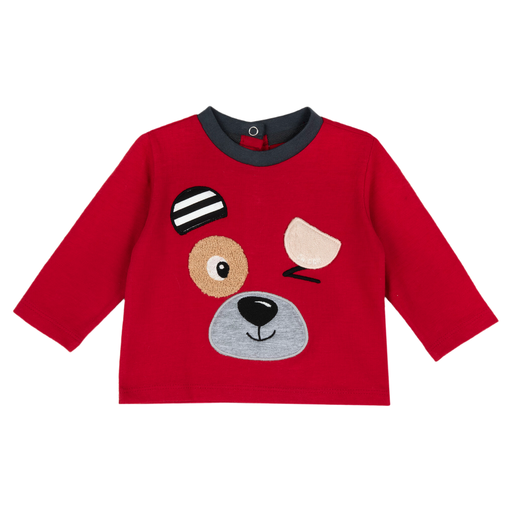
Why this fits the profile: A simple long-sleeved shirt is useful as a daily base layer for babies and young children. The medium red colour is easy to pair with neutral trousers.
The product page lists concrete sizes from 44 up to 152. This means you can base your choice on height rather than just age.
Long sleeves, medium red colour and a size chart with chest, waist and hip circumference.
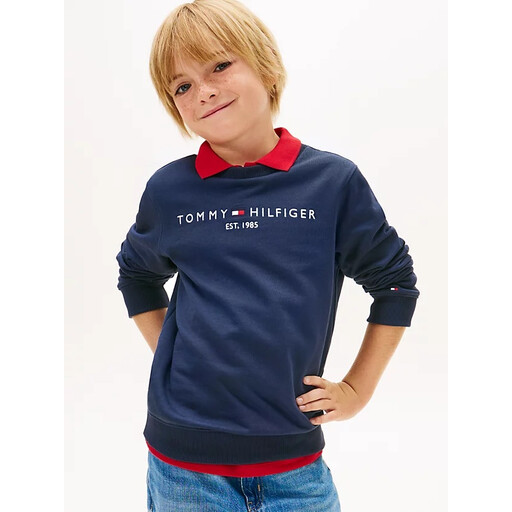
Why this fits the profile: This gender-neutral navy sweater works for school, weekends and everyday wear. According to the product description, the main material is organic cotton.
The product information mentions both the main material and the ribbed trims at the neck, cuffs and hem. So you don’t have to rely on brand image alone.
Organic cotton according to the product description, round neck and rib-knit finish.
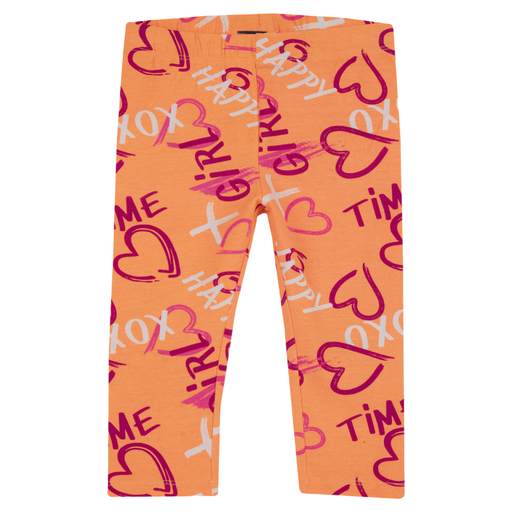
Why this fits the profile: These orange Chicco children’s leggings with a print are designed for daily wear and can be paired with a plain T-shirt or sweater.
The size is linked to a detailed chart with body measurements. This makes comparing easier than choosing based on the striking colour alone.
Orange colour with print, available in sizes from baby to child, with waist and hip measurements in the chart.
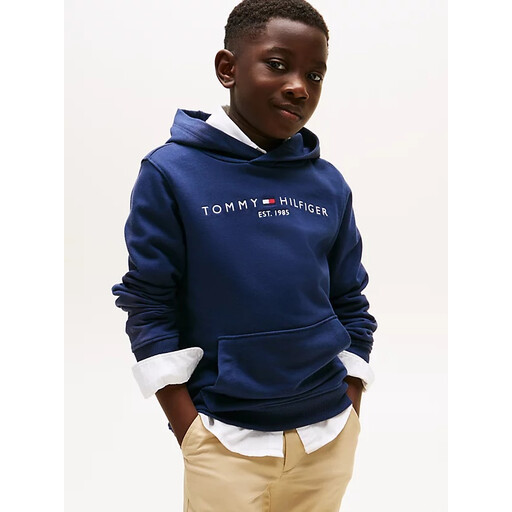
Why this fits the profile: A hoodie is practical for outdoor play, travel and cooler days. The gender-neutral design can be worn by multiple children in a family.
The product description mentions a hood, kangaroo pocket and ribbed trims. These details are more concrete than a general claim about comfort.
Organic cotton according to the product description, kangaroo pocket and adjustable-free ribbed finish on sleeves and hem.
We’ve put together a full, up-to-date list of products that fully meet these strict selection criteria and comply with current European safety regulations.
Measure your child’s height, chest, waist and hips, and compare these measurements with the size chart on the product page. Use age only as a guide. With babies, even a few centimetres’ difference can affect the fit.
Start with basic pieces that mix and match well: T-shirts with long and short sleeves, leggings, sweaters, hoodies and children’s underwear. For school and childcare, choose models where the washing instructions and material composition are clearly stated.
How long it lasts depends on the child’s growth, how often it’s worn, the fabric and how it’s cared for. Check the care label, follow the recommended temperature and avoid treatments that aren’t suitable for the material. A slightly looser fit can be usable for longer, but clothes that are too big can be uncomfortable.
