
Vandaag of morgen in huis

Kwaliteit gegarandeerd

Welkomstaanbiedingen ontgrendelen: GRATIS bezorging | Tot 80% korting | Gratis 30 dagen JoyPlus-proefperiode
Download de app
Buying children’s clothing may seem straightforward, but choosing the wrong size, unclear fabric composition or an impractical design can quickly lead to extra costs. This is especially true when buying baby clothes and children’s clothing online, where product photos alone are not enough to make an informed choice.
So watch out for these three common pitfalls:
For baby clothes, size 56 generally refers to a body length of around 56 centimetres. Size 62 is often associated with approximately six months, but age is only an indication. For older children, available sizes may range from 62 to 152, with the fit varying by brand and garment.
If you are unsure, measure:
A slightly looser fit can be practical for everyday clothing, but sleeves or trouser legs that are too long can feel uncomfortable. Always check the size chart on the product page.
Cotton children’s clothing feels comfortable to many families and is suitable for a wide range of uses. However, “cotton” is not a consistent quality category. Check the percentage of cotton and any added fibres.
Examples from the range:
Organic cotton children’s clothing may suit shoppers who specifically look for this material. However, check which certification or product information is actually shown on the page and the label. A brand claim is not a general guarantee of every characteristic of the garment.
Children often wear everyday clothes intensively. So check the care label before ordering. Some products specify a maximum washing temperature; according to the product information, the Chicco Tracksuit T-Shirt Long Sleeve in size 62 can be machine-washed at a maximum of 30 °C.
Also look for:
Treat “unisex” primarily as a description of the design and fit. It does not automatically mean that every model will fit every body shape in the same way.
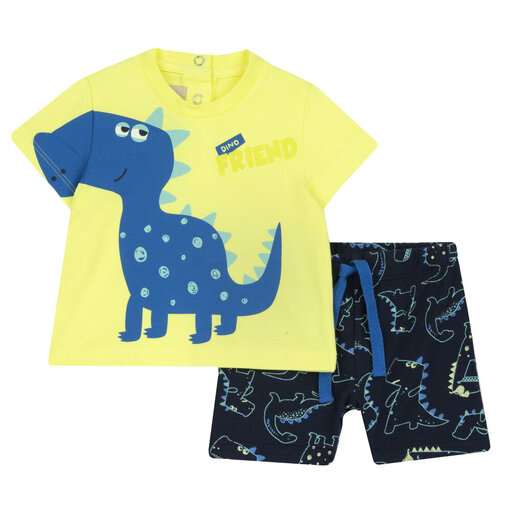
Why it suits this profile: This set combines a T-shirt and shorts in one purchase and is listed in size 56, with an age indication of 0 to 3 months. That makes it a straightforward choice when putting together a baby’s first wardrobe.
The size, age indication and fabric composition are clearly stated. This means you do not have to rely solely on the photo or a general age claim.
2-piece set, unisex design, light yellow colour and 60% cotton with 40% polyester.
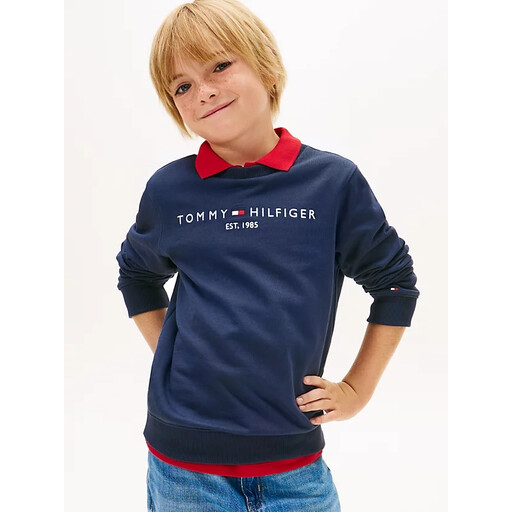
Why it suits this profile: This model is aimed at children aged approximately 3–4 to 15–16 years, with sizes from 98 to 140 according to the stated chart. The crew neck and ribbed trims make it suitable for school, weekends and everyday wear.
The product information mentions organic cotton, a gender-inclusive design and specific EU sizes. However, check the label for the exact care instructions.
Pure organic cotton according to the product description, a crew neck, and ribbed-knit collar, cuffs and hem.
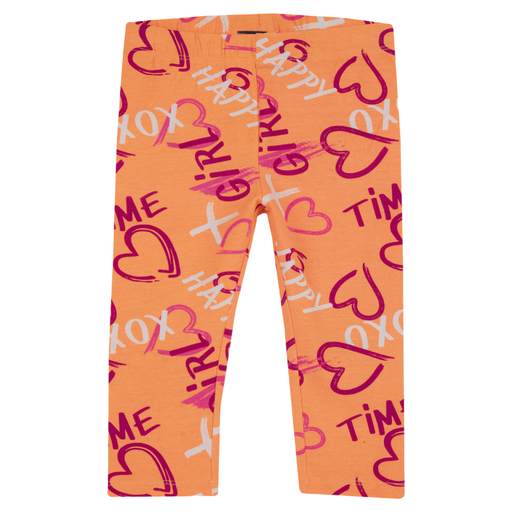
Why it suits this profile: This orange Chicco legging in size 104 is intended for children around 4 years old according to the size chart. The trousers are a practical, eye-catching layer for everyday wear.
The size is linked to body measurements, including chest, waist and hip circumference. This helps you choose based on measurements rather than age alone.
Size 104, orange print and a style described as tracksuit-bottom leggings.
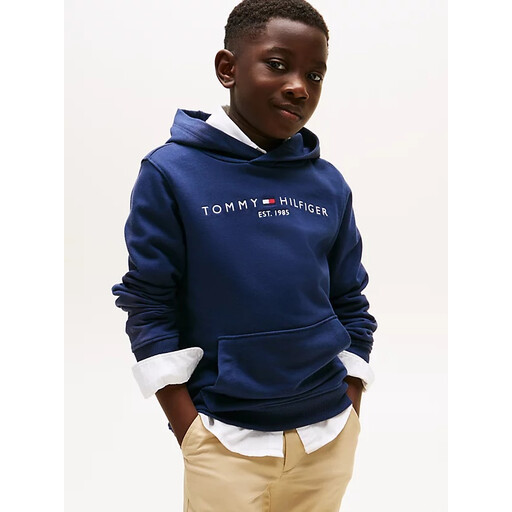
Why it suits this profile: A hoodie is useful as an extra layer for the school run, walks or outdoor play. This gender-inclusive model is listed in sizes from 98 to 152.
The product description specifies the material, size range and practical details. Check in advance that the hood will work with the coat and suit the intended use.
Organic cotton according to the product information, kangaroo pocket, hood and ribbed trims on the cuffs and hem.
Before placing your order, make a quick checklist:
A long-sleeved children’s T-shirt is useful as a layer under a sweatshirt. Children’s trousers provide more coverage on cooler days, while children’s shorts are mainly suitable for warm weather. By choosing clothes according to how they will be used, you can avoid leaving an appealing design unworn in the wardrobe.
We have compiled a complete, up-to-date list of products that fully meet these strict selection criteria and the applicable European safety regulations.
For newborns, shoppers often choose size 50 or size 56. The right size depends on the baby’s length and build. If possible, measure your baby’s length and compare it with the brand’s size chart.
The lifespan varies depending on the material, fit, washing programme and how intensively the garment is worn. Follow the care label, avoid unnecessarily high temperatures and check seams, trims and elastic regularly. For fast-growing children, the size may become unsuitable before the fabric shows signs of wear.
Unisex children’s clothing usually refers to a neutral colour, print or cut. The fit still depends on the specific model and size chart. So look at the chest, waist and hip measurements rather than relying only on the “unisex” label.
