
Vandaag of morgen in huis

Kwaliteit gegarandeerd

Welkomstaanbiedingen ontgrendelen: GRATIS bezorging | Tot 80% korting | Gratis 30 dagen JoyPlus-proefperiode
Download de app
Children’s clothing needs to withstand play, washing and rapidly growing children. Even so, choosing the right items online is not always easy. An appealing photo reveals little about the fit, material or sizing. With these practical checks, you can compare baby clothing, boys’ clothing, girls’ clothing and unisex children’s clothing based on the information that really matters.
Age labels such as “2 years” or “6 months” are only a guideline. Children’s builds vary considerably. In many European size charts, a garment in size 92 is intended for a child with a height of approximately 92 centimetres, but the measurements and fit can vary from one brand to another.
So always check:
Cotton can be soft and practical, but the cotton content does not tell you everything about the fabric’s thickness, stretch or finish. A shirt made from 100% cotton feels different from a cotton blend with polyester, viscose or elastane. Cotton fabric can also shrink if it is washed incorrectly.
So check the full composition. The care label is also important for cotton children’s T-shirts. Product information does not always state how thick the fabric is or how it feels after several washes.
A baby clothing set may seem convenient, but check whether the top and bottoms work well together in practice. Look at the fastening, waistband, freedom of movement and material of both items. A set may be attractively priced, while one of the pieces is worn less often.
With baby clothing, easy dressing and undressing is particularly important. For older children, freedom of movement, a sturdy waistband and easy washing are key considerations.
Choose the material based on how the item will be used:
According to the available product information, the Chicco shorts in dark blue are made from 90% cotton and 10% viscose. The Chicco unisex set in light yellow has a composition of 60% cotton and 40% polyester. These are verifiable details, but they do not automatically tell you which material your child will find most comfortable.
Children’s clothing should not feel tight around the waist, underarms or neck. An adjustable or elasticated waistband is practical for shorts. For children’s long-sleeved tops, sufficient room around the shoulders is important, particularly when the top is worn under a cardigan or coat.
Sizes 50, 56 and 62 are commonly used for babies. For older children, sizes often progress through 92, 98, 104, 110, 116, 122 and 128. If you are unsure, measure your child standing upright and compare the result with the product page.
Before buying, read:
Children’s clothing must also comply with the general European rules on product safety and textile labelling. Note that CE marking is not generally required for ordinary clothing; this marking applies to specific product categories. So do not rely on vague safety claims. Instead, check the specific product information.
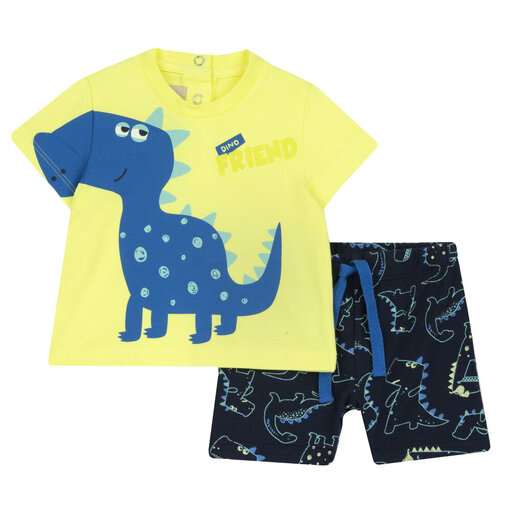
Why it suits this profile: This 2-piece set consists of a T-shirt and shorts in size 56, with a unisex design for babies up to approximately 3 months old according to the product information. This makes it easy to mix and match.
The two pieces have been selected as a set. Check that the blend of 60% cotton and 40% polyester suits your preferences, and follow the care label.
2-piece baby clothing set, unisex design, light yellow colour and size 056.
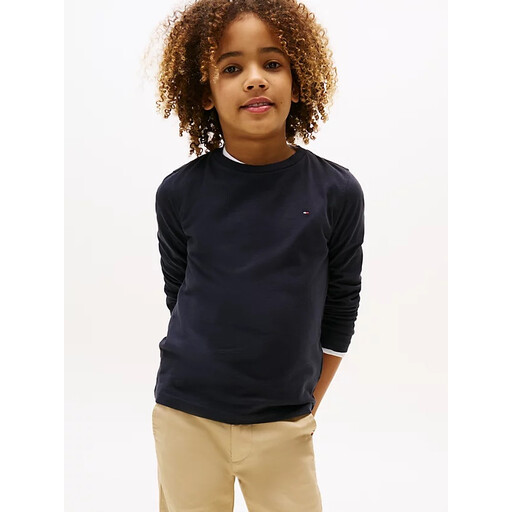
Why it suits this profile: A simple long-sleeved boys’ top for everyday wear, either on its own or as a layer under a jumper. The available product information states that it is made from 100% organic cotton jersey.
The material composition is clearly stated. Before buying, check the available size and follow the care label, as the product page does not specify fixed washing instructions.
100% organic cotton jersey according to the product information, long sleeves and a neutral basic style.
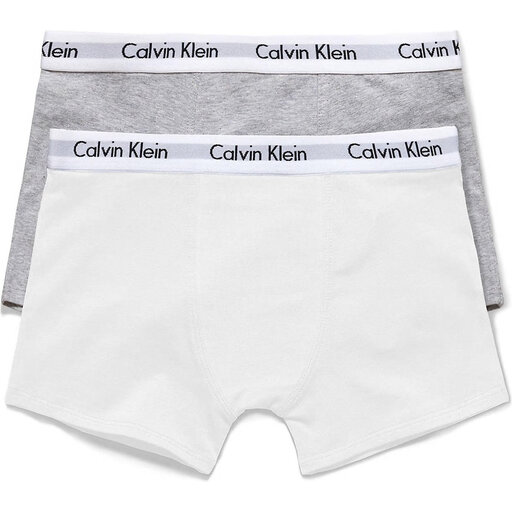
Why it suits this profile: A 2-pack of boys’ underwear for families who need several pairs. The product information states that it has a medium-rise fit and a cotton-elastane blend.
The composition of 95% cotton and 5% elastane is clearly stated. Compare the listed body measurements with your child’s, as label sizes can be confusing.
2-pack, cotton-elastane blend, medium-rise waist and machine washable at 30 °C according to the product information.
We have put together a complete, up-to-date list of products that fully meet these strict selection criteria and the applicable European safety regulations.
Measure your child’s height and compare it with the product’s size chart. Where possible, also check chest, waist and hip measurements. Use age only as an additional guide. If you are unsure, a slightly looser fit may be more practical, but avoid clothing that clearly slips down or restricts freedom of movement.
That depends on the garment and how it will be used. Cotton is often used for T-shirts, shorts and underwear. Elastane can provide extra stretch, while polyester and viscose alter the properties of a blend. Always check the full composition and care label rather than relying solely on the term “cotton”.
How long it lasts depends on growth, how often it is worn, the washing programme and the material. Wash according to the label, sort colours and avoid unnecessarily high temperatures. With baby clothing, a garment may become too small due to growth before any visible signs of wear appear. For boys’ clothing and girls’ clothing, strong seams, a good fit and easy care are important buying criteria.
