
Vandaag of morgen in huis

Kwaliteit gegarandeerd

Welkomstaanbiedingen ontgrendelen: GRATIS bezorging | Tot 80% korting | Gratis 30 dagen JoyPlus-proefperiode
Download de app
Children’s clothes need to withstand play, washing and growing. Even so, it is easy to buy a garment that loses its shape after a few washes, fits too tightly or is hardly ever worn. Unclear sizing, vague material claims and impractical details can all lead to disappointment, particularly with baby clothes and boys’ clothing.
With this buying guide from the Joybuy Product Recommendation Officer, you can compare children’s clothing based on checkable details: size, material, fit and intended use.
A label such as “3 months” or “5-6 years” is an indication, not a guarantee of the right fit. Children do not all grow according to the same schedule. Pay particular attention to the height measurement in centimetres, chest measurement and the size chart for the specific product.
With baby clothes, baby size 50 and baby size 56 are not the same. In the product information, for example, size 50 is linked to approximately one month, while size 56 is listed as around three months. Always check the child’s height and allow for the desired freedom of movement.
“Cotton” does not tell you everything about thickness, stretch or care requirements. A 100% cotton T-shirt may be comfortable for everyday wear, while a set made from 95% cotton and 5% elastane may offer more stretch. With an organic cotton sweatshirt, you should also check the product information and any certification.
According to Tommy Hilfiger’s product description, the sweatshirts and hoodies mentioned are made from organic cotton. This is a claim taken from the brand’s product information, so check the current composition and certification details on the product page before ordering.
Logos, prints and colours attract attention, but details such as ribbed trims, a comfortable neckline and straightforward washing instructions often determine how frequently a garment is worn. For babies, freedom of movement and easy dressing and undressing are usually more important than decoration.
Start with the child’s height. Here is an example of the size range:
These ages are product indications. If you are unsure, measure the chest, waist and hips and compare them with the size chart. A larger size may be practical if the child is between sizes, but a neckline that is too loose or sleeves that are too long can be inconvenient.
Check the exact percentages:
The fibre composition does not automatically tell you how thick or soft the fabric feels. You should therefore also check the type of garment, the finish and the washing instructions.
Always follow the care label. The suitable washing temperature, drying method and ironing setting may vary from one garment to another. For families with lots of washing, children’s clothes with clear care instructions and versatile colours are often practical. White, navy, light blue and grey are easy to combine with other clothes.
For warmer days, children’s T-shirts and boys’ short-sleeved T-shirts are ideal for everyday play. Long-sleeved children’s T-shirts are useful in spring and autumn or as an extra layer. Children’s sweatshirts and hoodies provide more coverage when a T-shirt is not enough.
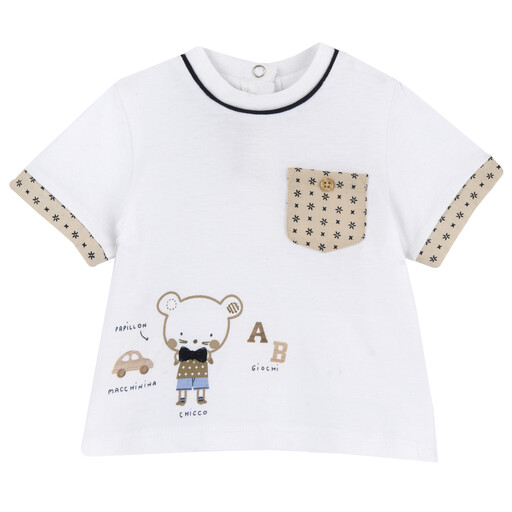
Why it suits this profile: A simple white T-shirt for everyday wear for a baby around size 56. The neutral colour is easy to combine and suitable as an extra layer.
The product information lists size 056, an age indication of 3 months and 100% cotton. This means you can base your choice on concrete details rather than just the colour or brand name.
100% cotton according to the product description, white colour and size 056 for babies.
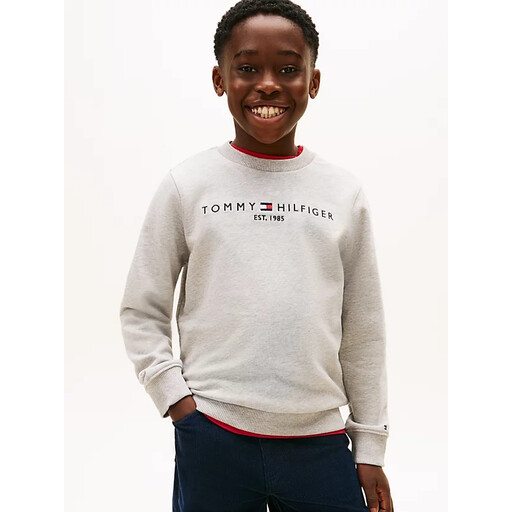
Why it suits this profile: A gender-neutral choice for school, weekends and everyday outfits for children aged approximately 3 to 16 years, depending on the size selected.
The product page lists more than just the branding. It also specifies a crew neck, ribbed trims, size range and main material, making it possible to compare the garment on practical points.
According to the product information, organic cotton, a crew neck and ribbed trims at the neck, cuffs and hem.
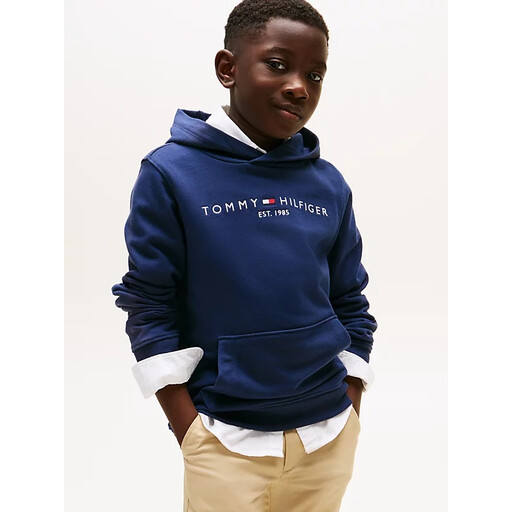
Why it suits this profile: A hoodie for children who need extra coverage and storage space at school, while playing outside or when out and about.
Alongside its appearance, the product lists functional details including a kangaroo pocket, hood and ribbed cuffs and hem. Do check the size chart to ensure there is enough room.
According to the product description, organic cotton, kangaroo pocket, hood and size options from 98 to 152.
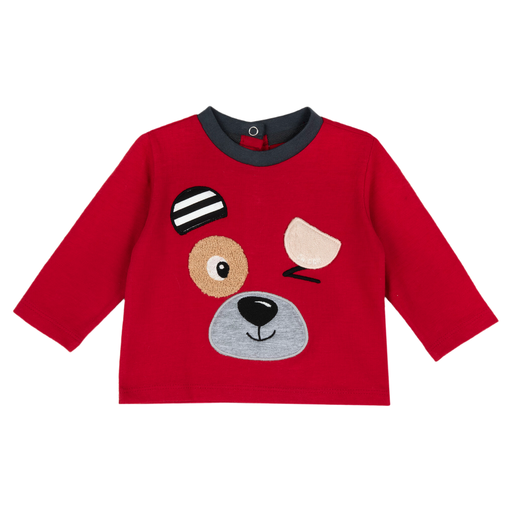
Why it suits this profile: Suitable as a mid-layer for babies and young children when short sleeves do not provide enough coverage.
The product information includes a detailed table with height, chest, waist and hip measurements. This helps prevent you from ordering based solely on the age indication.
Long sleeves, medium red colour and size 62, with available body measurements shown in the product table.
We have put together a complete, up-to-date list of products that fully meet these strict selection criteria and the applicable European safety regulations.
Use this checklist before ordering children’s clothes:
Measure the child’s height and compare it with the centimetre measurements in the product size chart. Age is only a guideline. For babies, pay particular attention to chest measurement and freedom of movement, as sizes 50, 56 and 62 can follow one another in quick succession.
Not always. 100% cotton may be suitable for a T-shirt or tank top for everyday wear. A fabric containing a small amount of elastane can be more practical when extra stretch is needed. Also check the thickness, fit and care instructions.
This depends on the child’s rate of growth, the fit, how often the garment is worn, the washing programme and the material. A garment with enough room for movement and a clear care label may remain practical for longer, but no product guarantee replaces the manufacturer’s information.
