
Vandaag of morgen in huis

Kwaliteit gegarandeerd

Welkomstaanbiedingen ontgrendelen: GRATIS bezorging | Tot 80% korting | Gratis 30 dagen JoyPlus-proefperiode
Download de app
Children's clothes need to withstand plenty of wear and tear. Trousers go to school, the playground and sometimes straight into the laundry basket. Yet parents and carers still regularly buy clothes that fit less well after a few washes, feel too warm or are difficult to coordinate with other items.
The biggest mistakes usually come from three common pitfalls:
When buying children's clothes, it's therefore best to look at size, material and intended use first. Brand, colour and style come afterwards.
Sizes such as 92, 98 or 128 generally refer to body height in centimetres. The fit can vary between brands and garments. If possible, measure:
For baby clothes, the combination of size and age is particularly important. For example, a Chicco 2-piece set in size 56 is listed for approximately 0 to 3 months. For an older child, a Chicco long-sleeve top in size 110 may be suitable for around 5 years, depending on their body measurements.
A garment with a slightly looser fit can be practical for layering. However, buying too large also has drawbacks: sleeves can get in the way and trousers may slip down. Always use the size chart on the product page as your starting point.
For cotton children's clothing, the percentage of cotton is important. A Chicco pair of shorts, for example, is made from 90% cotton and 10% viscose. This gives it different properties from a top made from 100% cotton or a set made from 95% cotton and 5% elastane.
Pay particular attention to the intended use:
Claims about comfort, sustainability or environmental friendliness come from the brand's or seller's product information. Do not therefore treat them as a general guarantee for every situation. The fibre composition and care label are verifiable information.
A long-sleeve top for children is useful as a separate layer in spring and autumn or underneath a cardigan. A children's hoodie or children's sweatshirt makes more sense for school, leisure time and cooler days. In warm weather, a children's T-shirt, tank top or children's shorts are more practical.
Also check:
For babies, easy dressing and undressing is often more important than eye-catching details. For school-age children, freedom of movement and easy washing generally matter more.
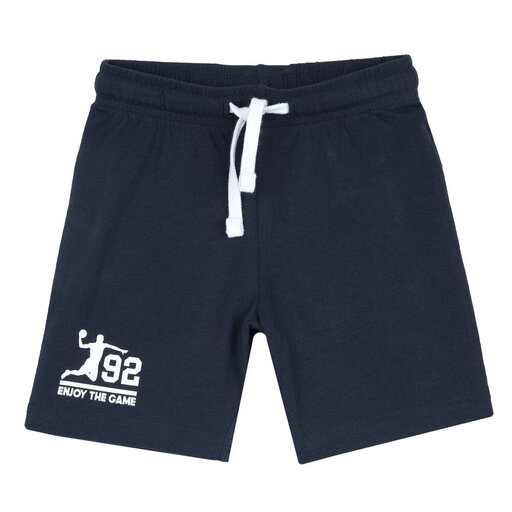
Why it suits this profile: These dark blue children's shorts are designed for everyday wear and work well with T-shirts and long-sleeve tops in various colours. Size 92 is listed for an age indication of 24 months.
The product information clearly states the colour, size and composition: 90% cotton and 10% viscose. However, check the current care label before buying.
Dark blue colour; 90% cotton; designed as shorts for everyday wear.
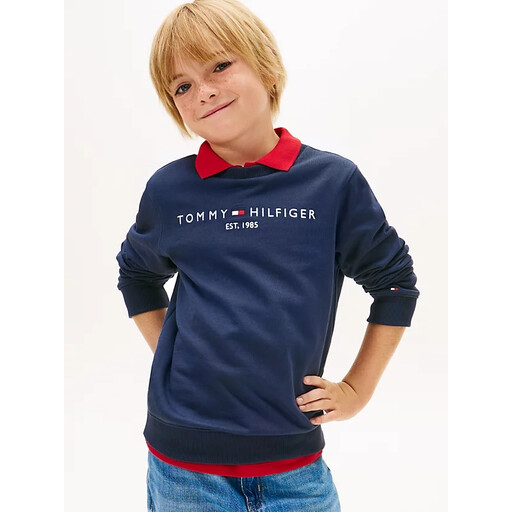
Why it suits this profile: This gender-inclusive children's sweatshirt is intended for school, weekends and layering. According to the product information, the fabric is made from organic cotton and the design has a round neckline with ribbed trims.
The navy colour and simple design make it easier to coordinate than clothing with lots of decorative details. The care instructions remain the most important guide.
Organic cotton according to the product description; round neckline; ribbed trims at the neckline, cuffs and hem.
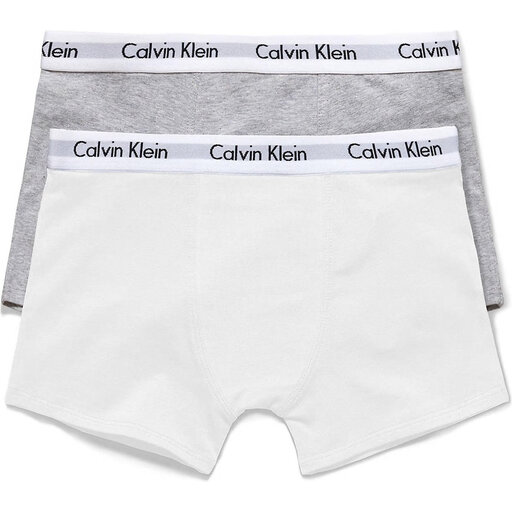
Why it suits this profile: For children who need fresh underwear every day, this 2-pack provides a practical spare option. The product description states that it has a medium-rise waist and is made from 95% cotton and 5% elastane.
The size information and material blend are visible in advance. This helps you avoid relying solely on the brand or elasticated waistband.
Two pairs per pack; 95% cotton and 5% elastane; machine washable at 30 °C according to the product information.
We've put together a complete, up-to-date list of products that fully meet these strict selection criteria and the applicable European safety regulations.
Lifespan does not depend on the brand alone. Wash clothes according to the label, use the stated temperature and check whether the garment can go in the tumble dryer. The product information for various Tommy Hilfiger models, for example, states that they should be washed at 30 °C and sometimes not tumble-dried. This may vary between versions.
Practical habits can help:
Start with body height in centimetres, then compare chest, waist and hip measurements with the brand's size chart. Age is only an indication. If you are unsure between two sizes, consider the type of garment and how much freedom of movement you want.
Not necessarily. “Organic cotton” describes the origin of the cotton fibre, but does not tell you everything about lifespan, the dyeing process, transport or care. So check the specific product information, any certification mentioned and the care label.
Wash clothes when necessary. Underwear, T-shirts and clothing worn directly against the skin generally need washing more often than a hoodie worn over another layer. Always follow the manufacturer's care advice to preserve the fit and material as well as possible.
