
Vandaag of morgen in huis

Kwaliteit gegarandeerd

Welkomstaanbiedingen ontgrendelen: GRATIS bezorging | Tot 80% korting | Gratis 30 dagen JoyPlus-proefperiode
Download de app
A children’s bike helmet might seem straightforward to choose at first glance. Yet models vary widely in size range, fit, ventilation and intended use. A helmet that feels comfortable on a bike isn’t automatically suitable for BMX or intensive skateboarding. And a flashy LED light is no substitute for a properly fitting helmet.
For parents of children aged roughly 5 to 13, three common pitfalls are particularly important:
Measure the head circumference with a tape measure just above the eyebrows and above the ears. Keep the tape measure horizontal and don’t pull it tight. Then check:
A children’s helmet should stay stable when the child moves their head. The front should sit low enough to partially cover the forehead, but must not restrict vision. After adjusting, check that there is no more than about two fingers’ width of space between the chin and the strap.
Many models combine a hard outer layer of PC or ABS with an inner layer of EPS foam. The outer layer helps with shape and absorbing contact with the surroundings; EPS is designed as a shock-absorbing liner. The exact construction varies from product to product.
Pay attention to the following:
A US CPSC reference is not the same as a European standard. For use in the UK, it is wise to check whether the manufacturer provides information about the relevant European conformity and usage category, for example EN 1078 for cycling, skateboard and roller-sport helmets. A product page with only general safety wording is not enough to infer a standard yourself.
A lightweight and breathable bike helmet can be more readily accepted by a child. In the product specifications of the RoyalBaby Everest, for example, a weight of around 213 grams and 10 ventilation openings are stated. The RoyalBaby Moon is listed in the product description with a weight of 250 grams, multiple ventilation openings and a removable liner.
Ventilation won’t stop a child from getting warm, but it can improve wearing comfort. A removable, washable liner is especially practical for daily use. Wash it by hand according to the instructions and let the parts air dry. Do not use harsh cleaning agents on the shell or liner.
A standard bike helmet is often suitable for cycling, balance bikes and gentle scooting, provided the product information states this. For skateboarding, skating or BMX, a multi-sport helmet for children is more practical when it is explicitly designed for those activities.
A helmet for scooting and skateboarding has no universal meaning. So look at the stated usage scenarios and safety information. For BMX, dirt biking or riding on rougher terrain, a BMX helmet for a child with extra coverage or a full-face design may better match the use. That doesn’t automatically mean every full-face model is suitable for every sport or speed.
Also pay attention to accessories:
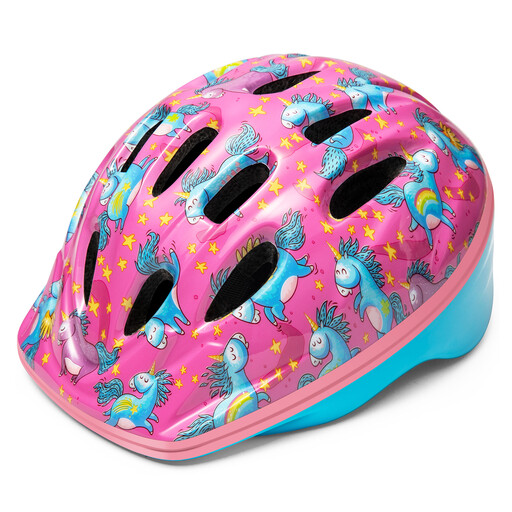
Why this fits the profile: According to the product description, this model is intended for cycling, skateboarding and scooting, and has two removable liners. That makes it suitable for a child trying out several activities.
The adjustable dial and two liners help prevent you from selecting solely by age or colour. Do check the chosen size and the European conformity information.
ABS outer shell, EPS core, adjustable fit and washable removable liners according to the product information.
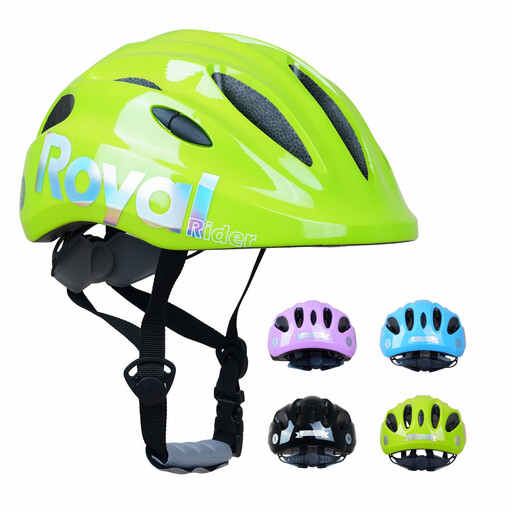
Why this fits the profile: The combination of PC outer shell, EPS inner layer, dial adjustment and 10 ventilation openings suits daily cycling and various outdoor sports.
The stated size of 52.05 to 55.88 cm and the dual adjustment allow for more targeted selection than a universal children’s helmet.
Approximately 213 grams, 10 ventilation openings and a removable, washable liner according to the product description.
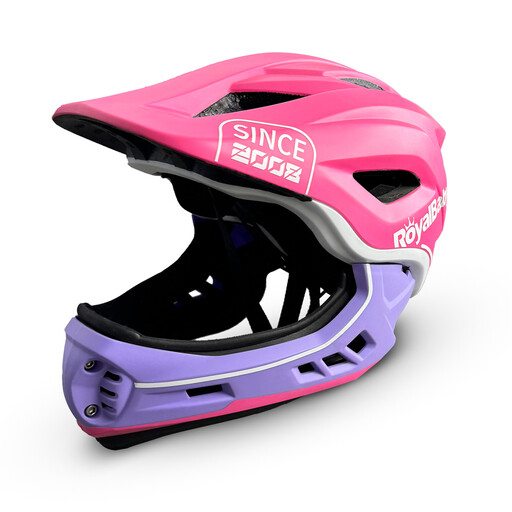
Why this fits the profile: This is a 2-in-1 model for children who combine cycling, BMX or dirt biking and sometimes want extra coverage around the face.
The removable chin guard distinguishes between half- and full-face use. Before purchasing, check that the 20 to 23 inch fit matches the head.
Removable chin guard, multiple ventilation openings, dial adjustment and integrated light according to the product information.
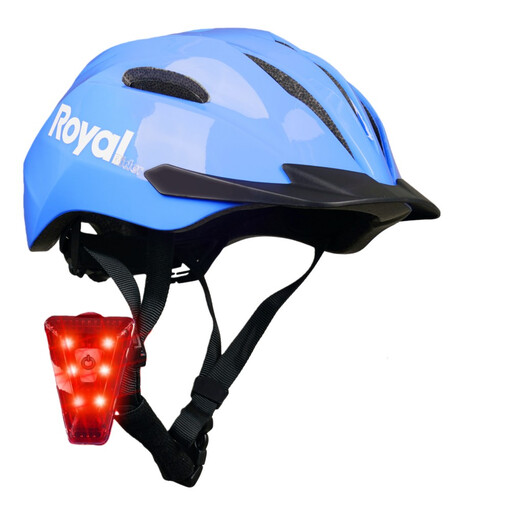
Why this fits the profile: According to the product description, this children’s helmet with LED light is aimed at cycling, scooting, skating and balance bikes, with a focus on visibility in low light.
The LED light is an addition, not the sole safety choice. The size, chin strap and information about the intended sports remain decisive.
Six red LED lights with three modes, a visor, ventilation openings and a washable liner according to the product description.
We’ve put together a full, up-to-date list of products that fully meet these strict selection criteria and the applicable European safety regulations.
Before each use, check that the shell, liner, buckle and straps are undamaged. A helmet that has taken a hard impact must be replaced, even if little is visible on the outside. Also follow the manufacturer’s replacement guideline. Some product descriptions mention a period of three to five years, but the condition of the helmet and any impact are more important than the calendar alone.
Never let a child ride with a loose chin strap. Readjust the helmet when the child wears a different hat, ponytail or hairstyle. A thick hat can alter the fit and may create extra space between the head and the helmet.
There is no fixed size based on age. Measure the head circumference and compare it with the size chart. In the range, models run, for example, from roughly 48 to 61 cm, while other models are specifically adjustable around 52 to 56 cm.
Replace the helmet after a collision or if visible damage appears. Without impact, the replacement period depends on the material, use, storage and the manufacturer’s guideline. Check the helmet regularly for cracks, deformation, loose liner and a faulty buckle.
For gentle cycling, a standard bike helmet is usually more practical, as long as the helmet is suitable for cycling and fits well. A full-face children’s helmet can be relevant for BMX, dirt biking or other use where extra coverage is desired. Be aware of the higher weight and check that the child wears the helmet comfortably and correctly.
