
Vandaag of morgen in huis

Kwaliteit gegarandeerd

Welkomstaanbiedingen ontgrendelen: GRATIS bezorging | Tot 80% korting | Gratis 30 dagen JoyPlus-proefperiode
Download de app
Buying a children’s bike seems straightforward until you have to choose between 12, 14, 16, 20 or 24 inches. A bike that looks fun may be too heavy, not fit properly or become too small after just a few months. Accessories such as stabilisers, a basket or a pannier rack do not automatically determine whether a bike is suitable for your child either.
The most common buying pitfalls:
Wheel size is a useful starting point, but always check the recommended height range and saddle adjustment as well.
A children’s balance bike or toddler balance bike has no pedals. Your child first practises steering and balance with their feet on the ground. This can be a logical step before moving on to a pedal bike. A 4-in-1 tricycle with push handle, pedals and removable components also offers several modes of use for young children.
Do not only look at the wheel size. Also check:
A low step-through frame makes getting on and off easier. For a girls’ children’s bike, a low frame shape can also be practical with certain clothing, but a safe and comfortable riding position remains the most important consideration. The same applies to a boys’ children’s bike: colour and shape are personal choices, not sizing criteria.
An aluminium frame is generally lighter than a steel frame of similar dimensions, but always compare the total bike weight. According to the product information, the RoyalBaby EZ Freestyle 14-inch weighs 7.4 kg; the 16-inch version weighs 7.8 kg. The Hiland Starry 12-inch weighs approximately 9 kg.
A lower weight can make lifting, turning and catching the bike easier. However, bear in mind that “lightweight” is not a fixed legal category. Look at the stated net weight rather than relying solely on marketing copy.
Before buying, check which braking system is fitted. A children’s bike may have hand brakes, a coaster brake or both. According to the product description, the Hiland Starry models combine a front V-brake with a rear coaster brake. A full chain guard and protection around the handlebars can help prevent contact with moving or hard components.
Wide tyres can provide extra stability, but they do not automatically make a bike suitable for every type of terrain. A model with 7 gears and wide fat tyres, such as the Hiland Roon 20-inch, is heavier than a basic children’s bike. Choose based on how the bike will actually be used: cycle paths, school journeys, parks or unpaved surfaces.
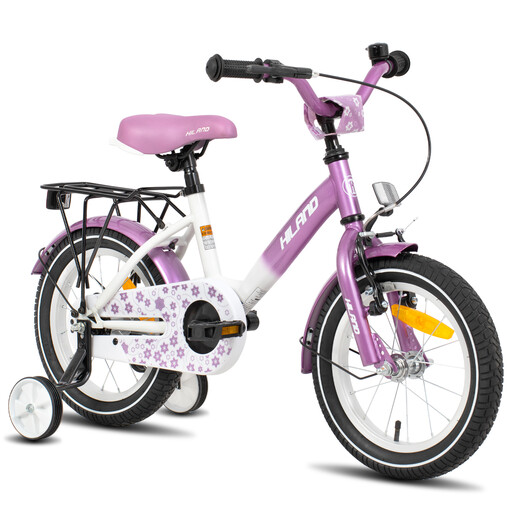
Why it suits this profile: According to the product information, this purple 12-inch bike is aimed at children aged 2–4 and comes with stabilisers, a basket and assembly tools.
The recommended height of 80–105 cm helps prevent you from choosing based on age alone. The model has a low step-through frame and two braking systems.
12-inch wheels, single-speed drive, wide 1.95-inch tyres and approximately 90% pre-assembled.
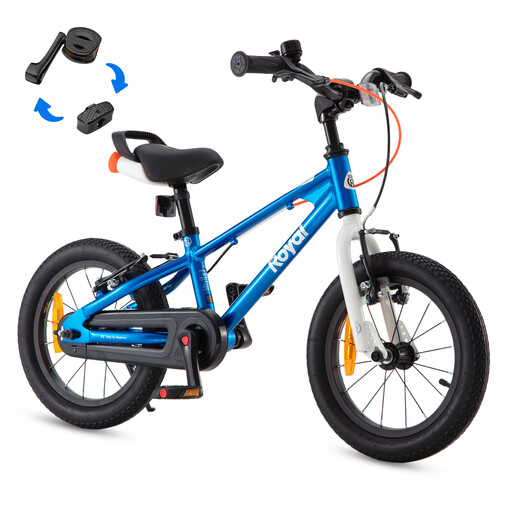
Why it suits this profile: An aluminium frame, adjustable saddle and adjustable handlebars make this model an appealing choice for children who cycle regularly and are still growing.
The stated weight of 7.8 kg and adjustable components reduce the risk of choosing a bike that is too heavy or quickly becomes too small.
Aluminium frame, two hand brakes, low step-through frame and 2-in-1 design according to the product description.
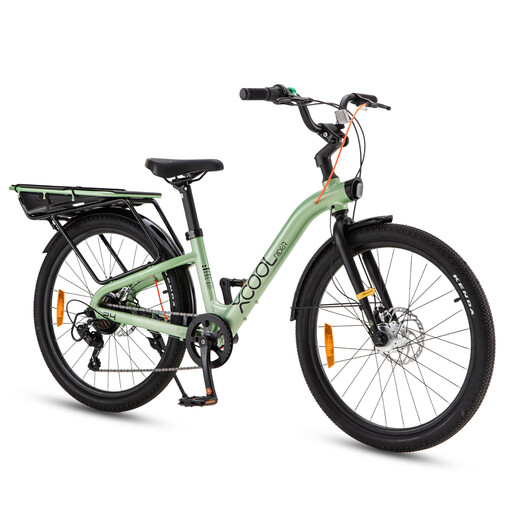
Why it suits this profile: According to the product specifications, this model is designed for children of approximately 135–170 cm and for school journeys, cycle paths and light off-road terrain.
The size is linked to a height range. For everyday use, the specifications include mudguards, lights and a luggage box.
24-inch wheels, 14.7 kg net weight, dual disc brakes, dynamo lighting and a luggage box with a stated maximum capacity of 25 kg.
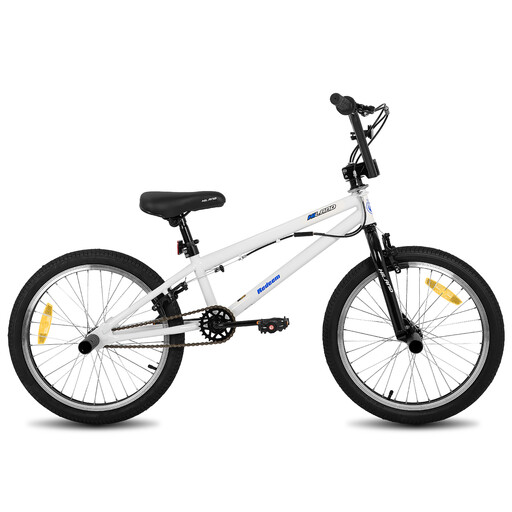
Why it suits this profile: This is a specialist BMX children’s bike for freestyle, practising tricks and recreational use away from busy public roads.
The equipment is clearly designed for BMX use. Check the brakes, rotor, tyres and all bolts before every ride; protective equipment and supervision are still essential.
2.35-inch-wide 20-inch tyres, 360-degree rotor, BMX U-brakes and stunt pegs according to the product information.
We have put together a complete, up-to-date list of products that fully meet these strict selection criteria and the applicable European safety regulations.
After assembly, always check:
A bike with stabilisers needs to be readjusted regularly. Once your child can balance independently, the stabilisers can be removed. Store the bike in a dry place, clean the frame with a damp cloth and check the chain and brake components after riding in rain or mud.
The product specifications for some models mention a trial period or warranty. Check the current terms, exclusions and returns procedure on the product page before ordering.
That depends on the stage your child is at. A children’s balance bike helps them practise balance and steering without pedals. A bike with stabilisers provides extra sideways support during those first rides with pedals. Above all, choose a model on which your child can safely reach the ground with their feet.
Its lifespan depends on the size, your child’s growth, how it is used and how well it is maintained. An adjustable saddle and handlebars can keep the fit suitable for longer, but a wheel size that is too large remains unsafe. Check the brakes, tyres, fastening points and chain wear regularly.
The regular costs are generally limited to inflating the tyres, cleaning the bike, maintaining the chain and occasionally replacing brake pads or inner tubes. More frequent checks are needed with intensive use, BMX riding or cycling in rain and mud. An annual inspection by a bike mechanic may be advisable if you are unsure about the brakes or handlebar adjustment.
