
Vandaag of morgen in huis

Kwaliteit gegarandeerd

Welkomstaanbiedingen ontgrendelen: GRATIS bezorging | Tot 80% korting | Gratis 30 dagen JoyPlus-proefperiode
Download de app
A tub of cheerful gummies may seem like an easy choice, but vitamins for children can vary considerably in recommended age, dosage format and ingredients. A product for toddlers is not automatically suitable for a teenager. A child may also unknowingly use several products containing the same vitamins.
As a Joybuy Product Recommendation Officer, I filter the most important product information down to practical points. This helps you see which features are relevant and which marketing claims are best checked against the label.
Children’s vitamin gummies and children’s chewable vitamins are easy to take, but the format says nothing about whether they are suitable. Always check the recommended age and daily dosage. Some gummies contain sugar, glucose syrup or gelatine. Others are sugar-free, vegan or vegetarian.
For example, packaging may say “kids”, even though the product is intended only for children aged 5 and over. Drops are different: according to the product description, Lucovitaal Vitamin D Drops Kids 0+ are intended for children from 8 days after birth. The recommended amount on the label is 6 drops per day. This makes drops practical for young children, but the dosage must be followed accurately.
A children’s multivitamin may already contain vitamin D, C, B vitamins, iron, iodine or zinc. If you then add vitamin D for children, magnesium for children or a second children’s multivitamin, ingredients may overlap. So don’t just look at the number of items, but at the amount per daily serving.
First, choose a product that is clearly suitable for the child’s age:
Always follow the instructions on the packaging. If your child takes medication, has a medical condition or you are unsure, it is sensible to consult a doctor or pharmacist.
Compare products based on one complete daily dosage. Pay particular attention to:
According to the product description for Davitamon Junior 3–12, the recommended daily dosage provides 5 to 10 micrograms of vitamin D3, depending on the number of tablets. For Dagravit Kids-Xtra Gummies 3–5 years, 10 micrograms of vitamin D per daily serving of two gummies is stated. These are label details, not a reason to automatically combine several products.
Choosing the right format makes everyday use easier:
Also check allergens and dietary preferences. According to the product information, Davitamon Junior 3+ is described as gluten-free and lactose-free, but may contain traces of milk. Lucovitaal Multi+ Kids states that it has a sugar-free formula with maltitol. According to the label, Dagravit Kids-Xtra 3–5 contains pork gelatine, among other ingredients, and is therefore not suitable for vegetarians or vegans.
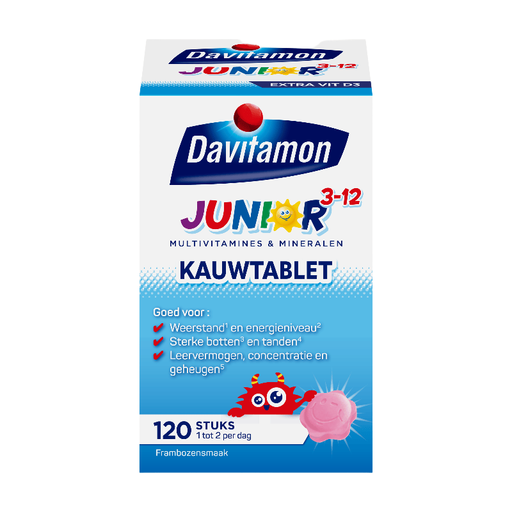
Why it suits this profile: A straightforward choice for parents looking for one children’s multivitamin for children aged 3 and over, in a familiar chewable tablet with raspberry flavour.
The product information clearly states that it is suitable from age 3 and gives a daily dosage of 1–2 tablets. This means you do not have to work out the dosage yourself from the nutrient quantities.
Contains several vitamins and minerals, including vitamin C, D3, B vitamins, iron and zinc. According to the label, the formula is gluten-free and lactose-free.
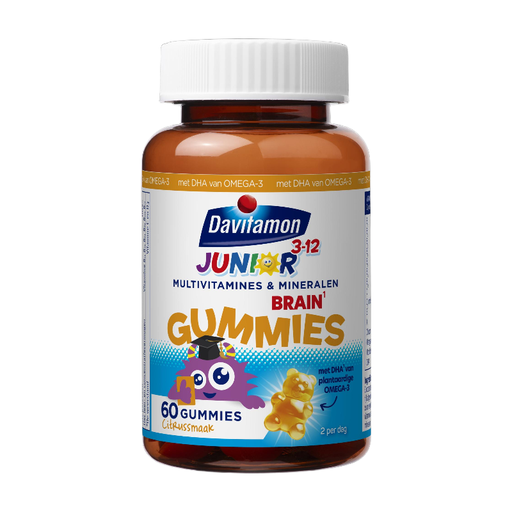
Why it suits this profile: For parents considering a product with plant-based DHA from algae alongside vitamins, for children aged 3 to 12.
The nutritional values are given per two gummies. This makes it easier to compare the amount of DHA and vitamins with other products.
Contains 13 vitamins and minerals plus 55 mg DHA per two gummies. The product description states that it has a gelatine-free, gluten-free formula suitable for vegetarians.
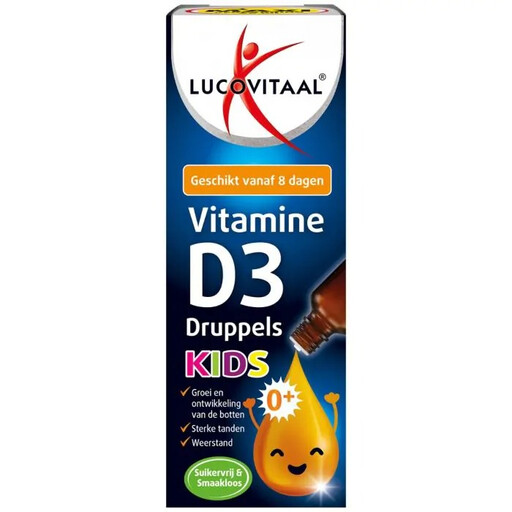
Why it suits this profile: A targeted option for parents looking for vitamin D for children in drop form, from an early age.
According to the product description, the formula contains just two ingredients: sunflower oil and vitamin D3. This limits unnecessary overlap with a multivitamin.
Dropper bottle providing 10 micrograms of vitamin D3 according to the product information. The formula is described as vegan.
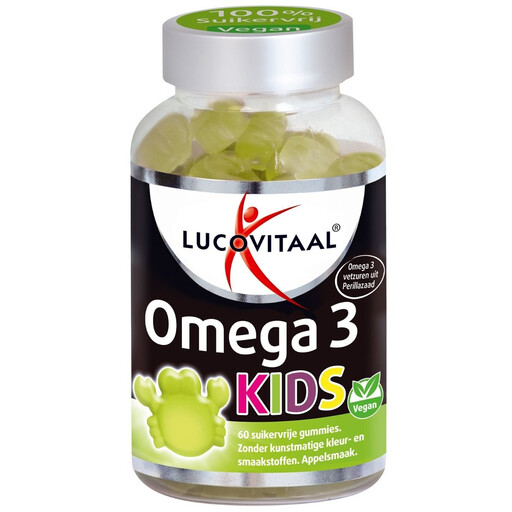
Why it suits this profile: Suitable for families specifically looking for omega 3 for children in a plant-based, sugar-free gummy for children aged 5 and over.
The label states the source of the omega 3: perilla seed oil. This makes it clear that it is not fish oil.
According to the product information, vegan and sugar-free, with 360 mg omega 3 as ALA per four gummies. The recommended age is 5 and over.
Sleep gummies for children sometimes contain chamomile, lemon balm, passion flower or vitamin B6. According to information provided by the brands themselves, such ingredients may contribute to relaxation or readiness for sleep. Do not present this as a guaranteed effect. Also consider the child’s age, possible interactions and the time of intake.
The same applies to products for children’s immune support: according to authorised nutrition claims, vitamins such as C and D can contribute to the normal functioning of the immune system, but a supplement is no substitute for a varied diet and healthy lifestyle.
We have put together a complete, up-to-date list of products that fully meet these strict selection criteria and the applicable European safety regulations.
Look for a product with a clear age indication and a suitable dosage format. For young children, drops may be more practical than gummies or tablets. Vitamins for toddlers should not be dosed based on a product intended for older children.
Some are, while others are not. Lucovitaal Multi+ Kids and Lucovitaal Omega 3 Kids list sweeteners such as maltitol and state that they have a sugar-free formula. Dagravit Gummies 3–5 lists glucose syrup and sugar. Always check the ingredients list and take oral hygiene into account.
That is not necessarily advisable. Check whether vitamin D, vitamin C, iron, zinc, iodine or magnesium appears in more than one product. If you are unsure, your child takes medication or has a medical condition, discuss the use of these products with a doctor or pharmacist.
