
Vandaag of morgen in huis

Kwaliteit gegarandeerd

Welkomstaanbiedingen ontgrendelen: GRATIS bezorging | Tot 80% korting | Gratis 30 dagen JoyPlus-proefperiode
Download de app
Children’s vitamins may seem easy to compare at first glance. However, products vary considerably in their age recommendations, dosage, ingredients and format. A cheerful package or fruit flavour says little about what is inside. As a result, parents sometimes pay for a product that does not suit their child’s age, diet or daily routine.
This guide will help you compare children’s vitamins, a children’s multivitamin or chewable vitamins for children objectively.
A gummy that is suitable from the age of 5 is not automatically suitable for a toddler. Pay attention to the full wording: “from 3 years”, “3–12 years” and “6–12 years” refer to different target groups. For children under 3, liquid vitamins or melt-in-the-mouth tablets are often more practical than gummies or hard chewable tablets.
Many sugar-free children’s vitamins contain sweeteners such as maltitol, sorbitol, xylitol or sucralose. In excessive quantities, polyols can have a laxative effect. A sugar-free option may therefore be a good choice for some families, but always check the ingredients list and follow the recommended dosage.
A multivitamin, separate vitamin D for children and, for example, omega 3 for children can complement one another, but some vitamins may be present in several products. Always check the total daily intake. A supplement also does not replace a varied diet.
Start with three questions:
For children aged 1 to 3, a liquid product can be useful because you can measure the quantity precisely. Melt-in-the-mouth tablets dissolve without water. From the age of 3, chewable tablets and gummies are more common, but adult supervision is still advisable.
Also look out for differences within a single product range. For example, Davitamon Junior 3–12 states a daily dosage of 1 to 2 chewable tablets. The recommended amount therefore depends not only on age, but also on the specific label.
Do not just compare the number of vitamins. Focus especially on the amount per daily dose. Check, among other things:
The reference intake shown on the packaging is often based on adults. A lower recommendation may apply to children, except for vitamin D according to the product information. Therefore, check the dosage for children rather than looking only at the percentage RI.
According to the product information for Davitamon Junior 1–3, the liquid version provides 10 micrograms of vitamin D3 per daily dose of 2.5 ml. According to the brand’s product information, this amount corresponds with the recommendation for young children. When using additional vitamin D, always check the total intake and ask a doctor or pharmacist for advice if you are unsure.
A product may be free from gluten and lactose but still contain gelatine, milk, beeswax or shellac. This is relevant if you follow a vegetarian, vegan or allergen-free diet.
Examples from the range:
Always check the current label immediately before purchasing. Ingredients and packaging may change.
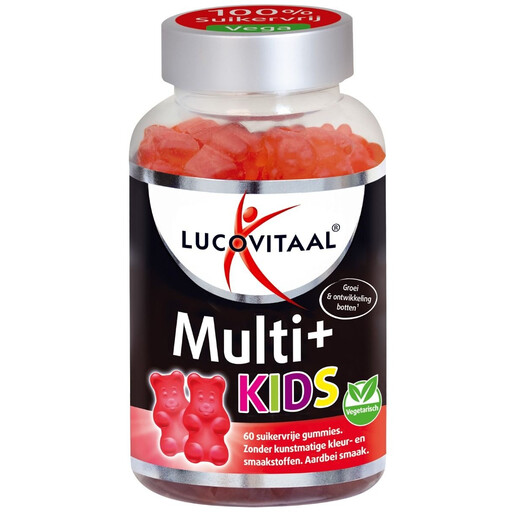
Why it suits this profile: For children aged 5 and over, one gummy a day is an easy routine. The strawberry flavour and compact packaging make the move to a multivitamin straightforward.
The product description clearly states the minimum age of 5, a daily dose of one gummy and a sugar-free formula.
60 gummies, 5 micrograms of vitamin D3 per gummy and, according to the product information, no declared allergens.
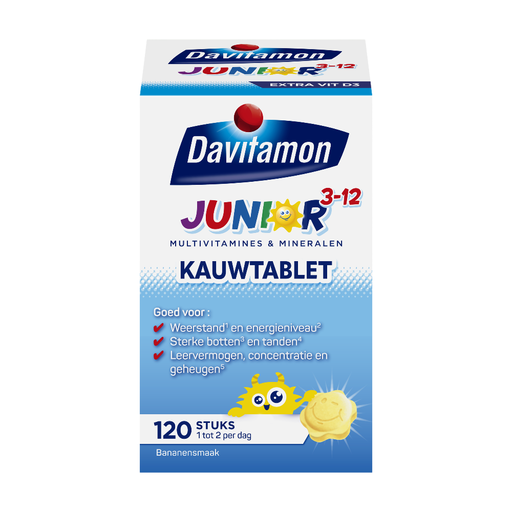
Why it suits this profile: This option is ideal for parents who want to compare minerals such as iron, iodine and zinc alongside vitamins for children aged 3 to 12.
The composition and dosage for one and two tablets are provided in the product information, so you can adjust the daily amount according to the label.
Banana-flavoured chewable tablet with 13 vitamins and several minerals; according to the product description, it is sugar-free, gluten-free and lactose-free.
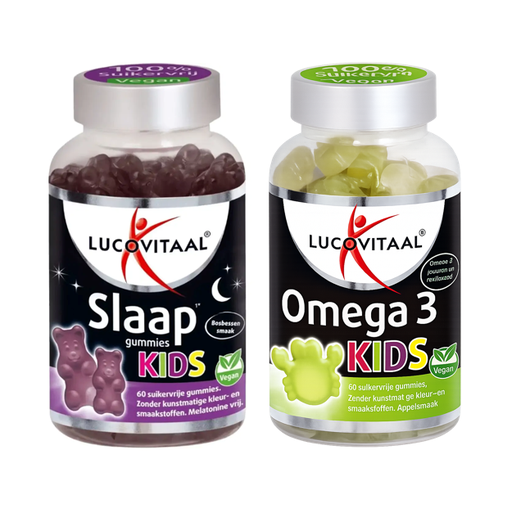
Why it suits this profile: For families specifically looking for a combination of omega 3 during the day and an evening routine, this pack offers two clearly separate gummies for children aged 5 and over.
The day and night formulas are described separately. This makes it clear which ingredients belong to which time of day; do not combine this product casually with other supplements.
According to the product description, the daily dose provides 360 mg of omega 3 as ALA from perilla seed oil; both formulas are described as vegan and sugar-free.
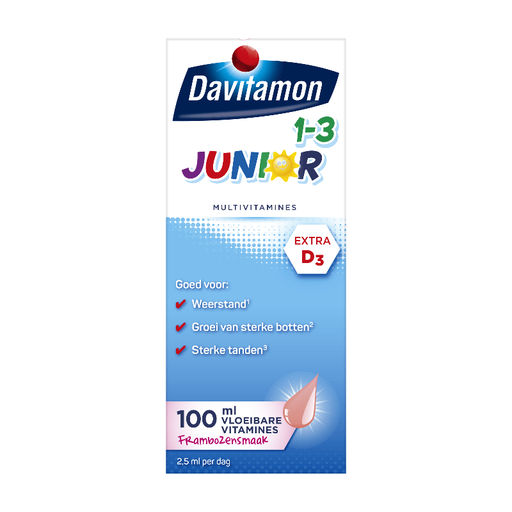
Why it suits this profile: The liquid format is intended for children aged 1 to 3 and can be measured with the measuring cap or mixed into food and drink.
The target age group and daily amount of 2.5 ml are clearly stated. This avoids having to guess the dosage for a tablet or gummy.
Liquid multivitamin with 13 vitamins; according to the label, 10 micrograms of vitamin D3 per daily dose and no artificial sweeteners.
We have put together a complete, up-to-date list of products that fully meet these strict selection criteria and the applicable European safety regulations.
For toddlers aged 1 to 3, liquid vitamins or melt-in-the-mouth tablets are often practical. Always check the minimum age, measuring scale and amount of vitamin D. A product for children aged 3 or 5 and over is not automatically suitable for a toddler.
That depends on the ingredients and the recommended dosage. Gummies can be easy to take, but some contain sugar, glucose or sweeteners. Keep the tub out of children’s reach and never give more than the amount stated on the label.
Calculate the usage period by dividing the number of pieces by the daily dosage. A tub containing 60 gummies lasts approximately 60 days when taking one gummy per day. Also check the shelf life after opening; some products recommend using them within 60 days or storing them in the fridge.
