
Vandaag of morgen in huis

Kwaliteit gegarandeerd

Welkomstaanbiedingen ontgrendelen: GRATIS bezorging | Tot 80% korting | Gratis 30 dagen JoyPlus-proefperiode
Download de app
A pack of children’s drinks in the cupboard is handy for school, a children’s party or a day out. However, the choice is less straightforward than the cheerful packaging might suggest. One fruit drink for children may contain mostly water and juice from concentrate, while another uses sweeteners. The size, closure and storage instructions also make a difference in everyday use.
So always check what is actually stated on the label, rather than relying solely on terms such as “fruity”, “still” or “zero sugar”.
A fruit drink may have a distinct fruit flavour but contain only a limited percentage of fruit juice. For example, Capri-Sun Orange states 10% concentrated fruit juice: 6% orange juice and 4% lemon juice. According to the product information, Capri-Sun Jungle Juice contains 7% juice and purée from concentrate.
So always check:
In a smoothie pouch with no added sugars, the sugars naturally come from fruit and sometimes vegetables. According to the product description, Goodies Smoothie Strawberry Apple consists of 80% apple purée and 20% strawberry purée, with no added sugars. This does not mean that the product contains no natural sugars.
A zero sugar children’s drink works differently. According to the product information, Capri-Sun Monster Alarm Zero Sugar contains less than 0.5 grams of sugar per 100 grams and uses sucralose as a sweetener. So compare the nutrition table and ingredients list, rather than looking only at the front of the packaging.
A children’s drinks multipack can be cost-effective if you use it regularly, but ask yourself how much drink you actually need. A pack containing three boxes of ten drinks each takes up more space and may sit in the cupboard for longer. Check the best-before date and store the product according to the label.
For a one-off picnic, a smaller pack may be more practical. For a family with several children or regular school activities, a larger multipack may be the logical choice.
Many drink cartons contain 200 ml. Capri-Sun Orange is available as a 10-pack of 10 x 0.2 litres. The Caffe Bene pouches contain 190 ml and Ice Talk pouches 230 ml. The difference may seem small, but it adds up when you take several drinks with you each week.
A smaller size is often suitable for a short break. A larger pouch may be better for a day out, but check that the child can handle the packaging properly.
Choose the packaging based on how you plan to use it:
For products with a cap or closure, the packaging states which safety warnings apply. Keep loose caps out of the reach of young children and do not use a damaged or swollen pouch.
If you are looking for a still children’s drink, check the ingredients list for carbon dioxide or “carbon dioxide”. Capri-Sun Orange and Capri-Sun Monster Alarm are not described as carbonated in the supplied product information. Ice Talk Blueberry Ade, on the other hand, contains a lightly sparkling variant.
Also note the difference between:
According to Capri-Sun’s own product information, Orange contains 4.4 grams of sugar per 100 ml. Monster Alarm contains 8.7 grams of sugar per 100 ml, while the Zero Sugar variant lists less than 0.5 grams. Use these values to compare variants objectively.
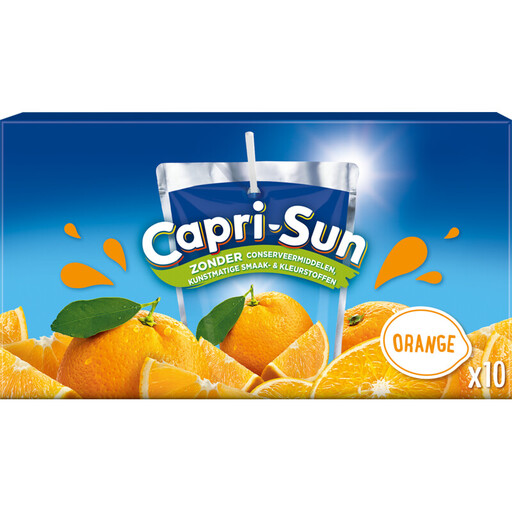
Why it suits this profile: A familiar option with ten 200 ml drink cartons for school, a day out or a children’s party.
The product information clearly states the juice percentage, ingredients and nutritional values per 100 ml. This means you can compare the fruit drink without relying solely on the packaging.
10 x 200 ml, fruit drink with 10% concentrated fruit juice, with no artificial colourings or preservatives according to the product description.
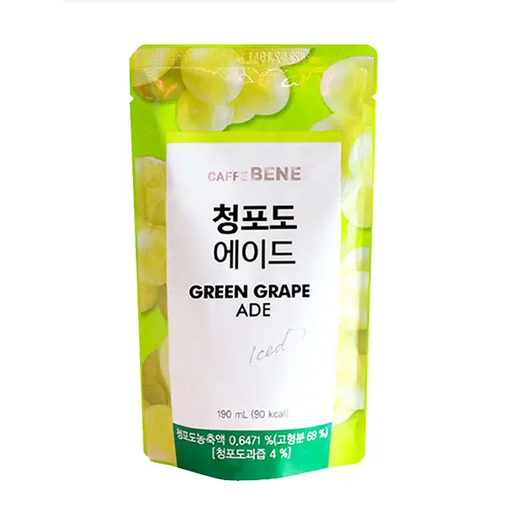
Why it suits this profile: For anyone who wants to try a Korean fruit drink with a distinctive flavour in a compact pouch.
The volume is 190 ml and the packaging is designed for drinking on the go. However, check the current label for the sugar content and ingredients before ordering.
190 ml pouch, green grape flavour, suitable for picnics and drinking on the go; according to the product description, free from the 14 major EU allergens.
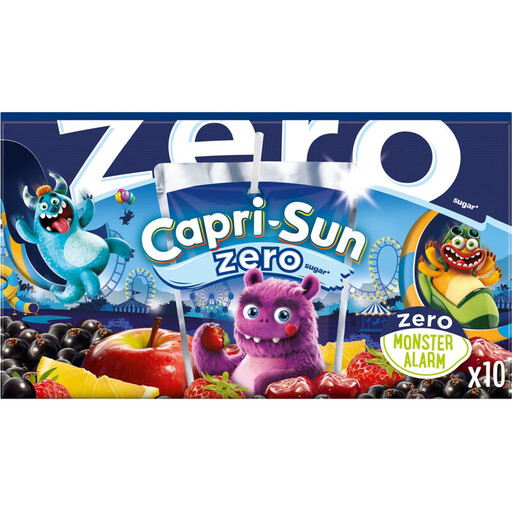
Why it suits this profile: For families who regularly take drink cartons with them and are specifically looking for a low-sugar option according to the stated nutritional values.
The product information states both the fruit percentage and the sweetener used. This makes it clear that “zero sugar” does not mean that no sweeteners have been added.
10 x 200 ml, 7% fruit from concentrate and 3 kcal per 100 grams according to the product information; convenient to keep in stock.
We have put together a complete, up-to-date list of products that fully meet these strict selection criteria and the applicable European safety regulations.
A smoothie pouch is not the same as an ordinary fruit drink. According to the product information, Nestlé Little Rockets Apple, Carrot & Pumpkin is suitable from the age of 2 and contains 150 grams of fruit and vegetables with no added sugars. According to the product description, Olvarit Mango Spelt Squeezable Fruit Smoothie is suitable from 12 months and contains milk and gluten-containing cereals.
Always check the following for these products:
Goodies Smoothie Strawberry Apple contains 100 grams of fruit purée, is a source of fibre according to the product information and must be kept refrigerated. This option is better suited to a fruity snack than a thirst quencher.
200 ml drink cartons and pouches of approximately 190 to 230 ml are easy to take with you. Choose a size that the child can finish in one go. On hot days, follow the storage instructions and take the drink chilled if this is recommended on the label.
Not necessarily. A zero sugar variant may contain less sugar but still use sweeteners. So compare the full ingredients list, nutritional values and juice percentage. The right choice depends on what matters to you and how often the drink is offered.
This varies by product. Many packages state that an opened drink should be stored in the refrigerator and used within the specified period. Some products state a maximum of 24 hours. Always read the current label, as the information on a website may differ from that on the packaging.
