
Vandaag of morgen in huis

Kwaliteit gegarandeerd

Welkomstaanbiedingen ontgrendelen: GRATIS bezorging | Tot 80% korting | Gratis 30 dagen JoyPlus-proefperiode
Download de app
Children's clothing needs to withstand school days, playdates and plenty of washing. Yet when shopping online, it can be difficult to quickly see which features really matter. A good-looking photo says little about the fit, fabric composition or available sizes.
When buying children's clothing, pay particular attention to these three common pitfalls:
For children, the EU size in centimetres is a useful starting point. The range includes, for example, sizes from 62 to 152, suitable for different stages from babyhood to the teenage years. Also check the size guide for the specific product. For several long-sleeve shirts, Chicco provides chest, waist and hip measurements for each size.
When comparing items, look out for:
A size guide is no guarantee of a perfect fit. If in doubt, measure a well-fitting garment and compare it with the product details.
Cotton children's clothing is often chosen because cotton is known as a versatile fibre for everyday wear. The exact composition remains important. For example, one Chicco bodysuit in the selection lists 95% cotton and 5% elastane. This may provide more stretch than 100% cotton.
When buying organic cotton clothing, check the product information for the exact composition and any certification. The Tommy Hilfiger sweatshirts and hoodies in this selection list organic cotton as the main material. This is a product specification; claims about sustainability or the environmental impact of the manufacturing process are not automatically a guaranteed outcome.
Before buying, check:
A long-sleeve shirt for children is suitable as a base layer or as a standalone shirt in mild weather. A children's jumper or children's sweatshirt provides more coverage for school, home and outdoor activities. A children's hoodie adds a hood and often a pouch pocket, but it is not equally practical for every activity.
When choosing tops, look for:
A gender-neutral children's clothing style can be useful when clothes are shared between several children or when you are looking for neutral colours and designs. The fit remains more important than the label category.
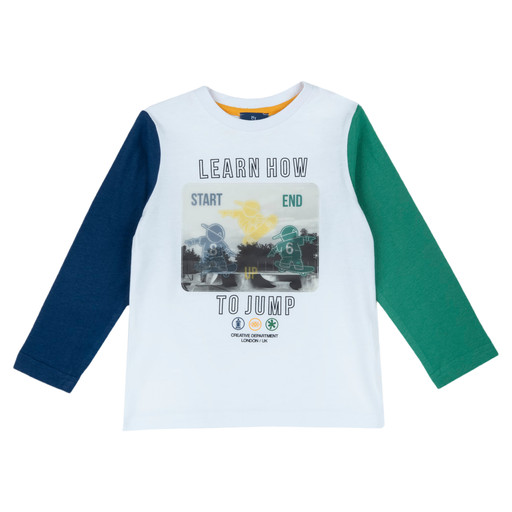
Why it suits this profile: A white long-sleeve top is easy to pair with jeans, skirts or a cardigan. According to the product details, Chicco's size range runs from baby size 44 through to larger children's sizes.
The product page provides a specific size guide. This allows you to compare size 110 with body measurements instead of ordering based on age alone.
Long sleeves, a white colour and comprehensive size information for everyday outfit combinations.
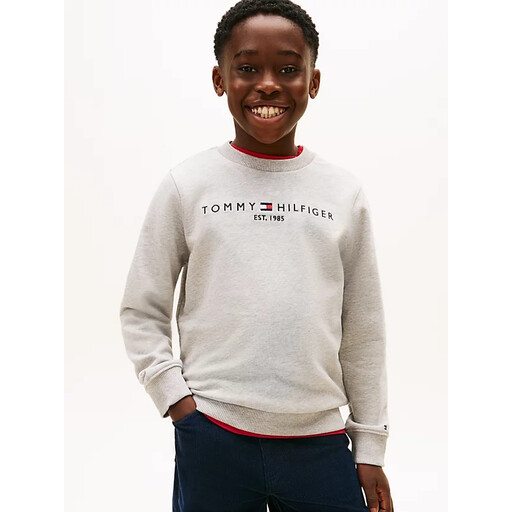
Why it suits this profile: This gender-neutral children's sweatshirt is designed for casual everyday wear. The product details list 100% organic cotton, a round neck and ribbed trims.
The fabric composition is clearly stated. The ribbing at the neck, cuffs and hem also helps keep loose edges under control while worn.
100% organic cotton according to the product description, plus a neutral light grey colour and crew-neck design.
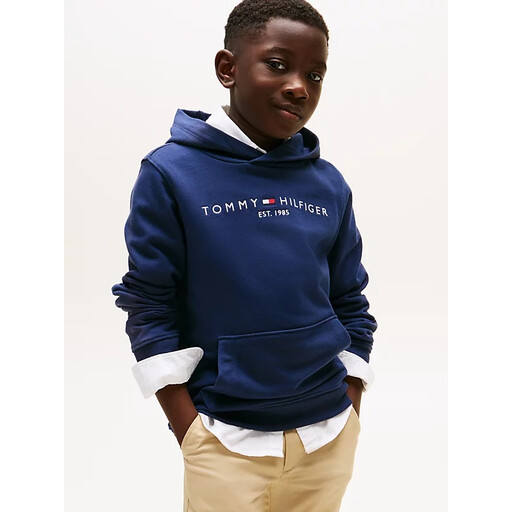
Why it suits this profile: A hoodie is practical for outdoor play, travel and cooler days. According to the product details, this navy style has a hood, kangaroo pocket and ribbed trims.
The kangaroo pocket and fitted ribbing are clearly described. However, check whether a hood is suitable for the activity and your child's preference.
Organic cotton according to the product information, a practical pouch pocket and sizes from 98 to 152 in the listed range.
We have put together a complete, up-to-date list of products that fully meet these strict selection criteria and the applicable European safety regulations.
Use height in centimetres as your first indication, then compare chest, waist and hip measurements with the brand's size guide. Size 62 usually refers to a smaller baby size, while size 152 is intended for older children. The exact fit may vary by brand and style.
Cotton is widely used for shirts, tops and sweatshirts. However, check the exact composition and care label. Cotton with a small percentage of elastane may offer more stretch, while 100% cotton has a different structure. Suitability depends on the garment, season and intended use.
How long it lasts depends on growth, frequency of wear, washing programme and material. Do not choose a size that is too large in the hope that your child will wear it for years: an oversized garment may be less comfortable. Wash according to the label and pay particular attention to the neckline, ribbing, seams and print after regular use.
