
Vandaag of morgen in huis

Kwaliteit gegarandeerd

Welkomstaanbiedingen ontgrendelen: GRATIS bezorging | Tot 80% korting | Gratis 30 dagen JoyPlus-proefperiode
Download de app
A children’s bike protection set might seem straightforward to choose: a helmet, knee and elbow pads, and perhaps wrist guards. Yet parents often buy a set that no longer fits properly after a few weeks, gets too hot or turns out not to be suitable for the activity. The right choice depends less on colour or eye-catching marketing claims, and more on fit, materials, standards and intended use.
Age is a useful guide, but it’s no substitute for taking measurements. Children of the same age can have different head circumferences and body measurements. A children’s helmet should therefore be adjustable and sit level on the head. A helmet that wobbles may shift during a fall.
When choosing pads, look beyond the age range and check the adjustable straps too. Knee, elbow and wrist pads should fit snugly without unnecessarily restricting movement.
A bike helmet, a child’s skate helmet and a helmet for motorised vehicles aren’t automatically suitable for the same activities. Check what the model is designed for. According to the product descriptions, the ACTION models in this selection are intended for cycling, roller skating, skating and scooting. They’re not designed for motorbikes.
A complete skating protection set also doesn’t protect the head. Knee and elbow pads are an addition to a properly fitting helmet, not a substitute for one.
A hard outer shell and foam lining can help distribute the impact of a fall, but no helmet or pad can prevent every possible injury. According to the safety information provided with the products, adult supervision is still necessary. Check the set before every use and replace any parts with cracks or loose seams, or after a hard impact.
To choose a helmet, measure head circumference according to the retailer’s size guide. An adjustable children’s helmet might have a dial adjuster or another sizing mechanism. Then check that:
For a children’s protection set, the hook-and-loop straps should be tight enough to stop the pads from shifting. Straps that are too loose make the pads less practical; straps that are too tight can be uncomfortable.
For cycling and skating helmets, EN1078 is an important European standard for helmets used for cycling, skateboarding and roller sports. The product information for several ACTION helmets says they have been tested to EN1078 and are CE certified. Always check the marking and the information on the product page or packaging.
According to their product descriptions, OutdoorMaster protection sets are sold as CPSC certified. This is a US safety designation. Don’t automatically treat it as equivalent to EN1078, as these are different standards. When buying in the Netherlands, it’s a good idea to check the relevant standard and intended use for each item.
Protective gear can include PP or PVC shells, PE foam and breathable linings. A hard shell can help protect against contact with the ground, while a soft lining affects comfort. Check the ventilation too, especially if your child will be cycling or skating for longer periods.
Care is usually simple: wipe clean with a damp cloth and leave to air-dry. Some linings are removable and can be hand-washed, but according to the product information, OutdoorMaster pads shouldn’t be machine-washed. Store the set somewhere dry, away from direct sunlight, and check all the parts before use.
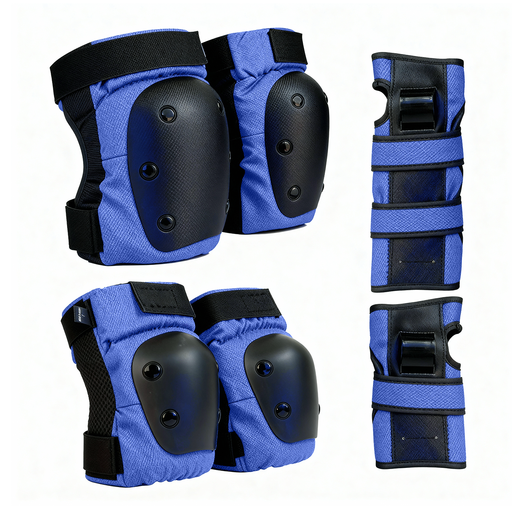
Why it suits this profile: According to the product information, this complete set is designed for children aged 3 to 7 and includes knee, elbow and wrist pads for cycling, scooting, skateboarding and roller skating.
The set contains six pads, so you don’t need to look for the pieces separately. The adjustable straps help prevent a loose fit.
PVC outer shells, a breathable inner layer and a complete set with 2 knee pads, 2 elbow pads and 2 wrist guards.
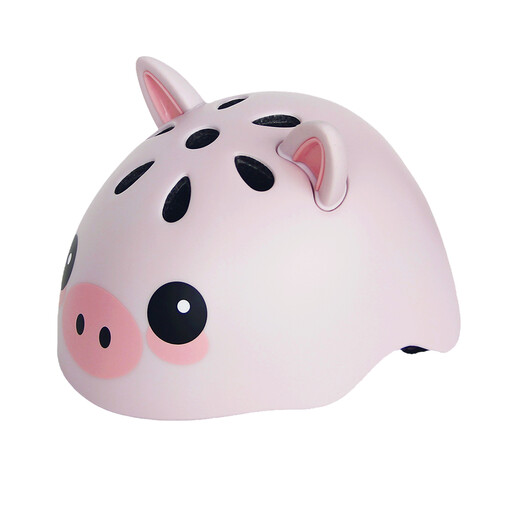
Why it suits this profile: According to the product description, this children’s bike helmet is suitable for cycling, skating and scooting. It has a PC outer shell, an EPS lining and an adjustable fit.
The product information states that it’s tested to EN1078 and CE certified. The adjustment dial and quick-release buckle allow you to achieve a precise fit.
7 ventilation holes, a PC shell, EPS foam, an adjustable fit and a quick-release buckle.
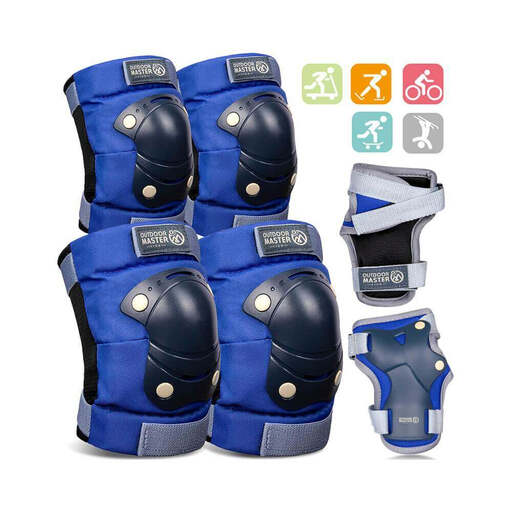
Why it suits this profile: According to the product information, this set is designed for children and teenagers aged 3 to 15, and for a range of outdoor sports including cycling, skating, skateboarding and scooting.
The three separate sets of knee, elbow and wrist pads have adjustable hook-and-loop straps. The included mesh bag helps keep the set together.
PP shells, a PE foam layer, breathable fabric, a CPSC designation in the product information and a complete set with six pads.
We’ve put together a complete, up-to-date list of products that meet these strict selection criteria and the applicable European safety requirements.
Helmets aren’t generally compulsory for ordinary cycling in the Netherlands. Parents can still choose a children’s helmet, and it’s wise to select one based on fit, intended use and safety standards. For scooting, skating and skateboarding, a helmet is also a practical addition to knee, elbow and wrist pads.
That depends on how it’s used, how quickly your child grows and whether it gets damaged. Replace a helmet after a hard impact, even if there’s no visible crack. Replace pads if the shell is broken, the foam is badly misshapen, or the straps and fastenings no longer work properly. Also check regularly that the size still fits.
According to their product descriptions, some sets are suitable for several non-motorised sports. However, check that the helmet is designed for the activity and that the pads stay in place as your child moves. A complete set is convenient, but a good fit matters more than the number of items included.
