
Vandaag of morgen in huis

Kwaliteit gegarandeerd

Welkomstaanbiedingen ontgrendelen: GRATIS bezorging | Tot 80% korting | Gratis 30 dagen JoyPlus-proefperiode
Download de app
Buying a child car seat seems straightforward until you have to choose between an infant car seat, toddler car seat, 360-degree rotating car seat or booster seat. Age recommendations can be confusing, cars have different attachment points, and attractive extras do not always make a seat practical for everyday use.
Pay particular attention to these common pitfalls:
An ECE R129 car seat, also known as an i-Size seat, uses the child’s height as an important selection criterion. Always check:
For i-Size models, rear-facing travel for young children is an important consideration. The exact requirements are set out in the product manual. A seat with a range of 40 to 150 cm is not automatically equally suitable for every stage; check that the headrest, harness and seat depth provide a good fit.
An ISOFIX car seat clips directly onto the designated attachment points in the car. This can make installation more straightforward, but always check whether the seat also requires a support leg, Top Tether or an additional car seat belt.
On some models, the attachment method changes as the child grows. According to the product information, the Chicco Mokita uses ISOFIX, Top Tether and a five-point harness up to 18 kg. From 100 cm, the seat can be used with the car’s three-point seat belt, with ISOFIX as optional support.
A booster seat for older children usually uses the three-point seat belt. The diagonal belt should pass over the shoulder through the correct guide, not along the neck. A backless booster seat is only suitable when the child’s height and belt position meet the product requirements.
Do not just measure the available space on the back seat. Also consider:
A car seat with a recline position may be more comfortable on longer journeys, but the permitted recline angles vary by model and travel direction. Only use the positions allowed in the manual.
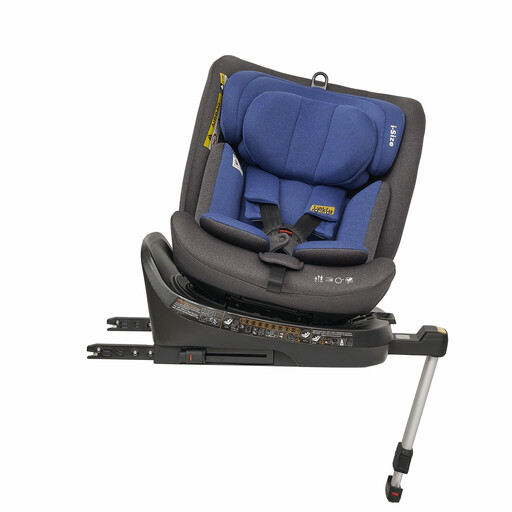
Why it suits this profile: A combination of a 40–150 cm height range, ISOFIX attachment and a rotating function for families looking for one seat to cover several stages of growth.
The product information specifies both the height range and ISOFIX, as well as an adjustable support leg. Before buying, check that this combination is suitable for your car.
According to the product page: 360-degree rotation, 12 headrest positions and a cover that can be removed completely.
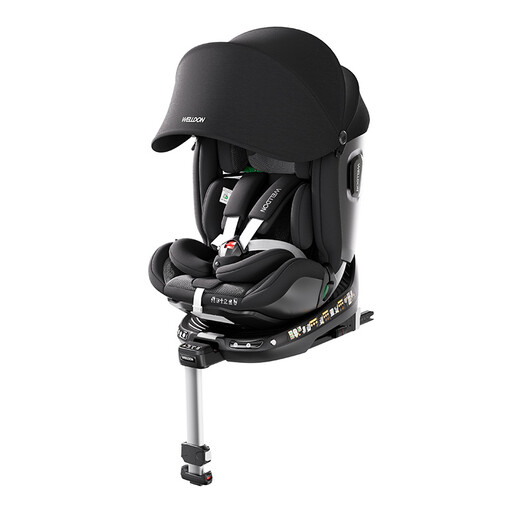
Why it suits this profile: Designed for parents who value installation indicators, adjustability and a broad range of functions.
The listed features include ISOFIX, a support leg and installation monitoring. Read the manual to check which indicators and settings are available on your version.
According to the product information: suitable for 40–125 cm, 360-degree rotation and several adjustable recline positions.
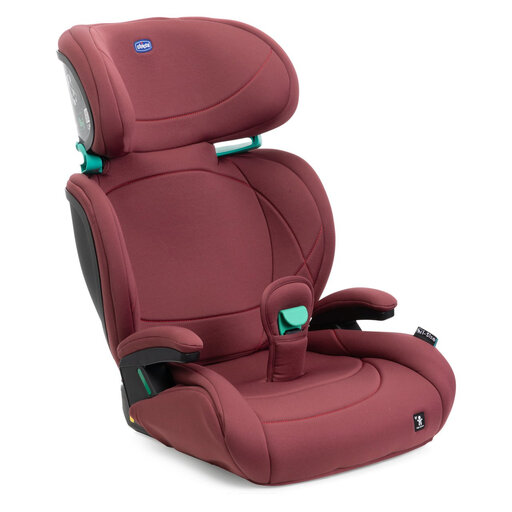
Why it suits this profile: Handy for families who regularly switch between cars or need a lightweight seat for older children.
The product is designed for 100–150 cm and uses clearly marked belt guides. This makes it easy to define the relevant stage of growth in advance.
According to the product description, the seat weighs 4.5 kg, has two recline positions and a removable, washable cover.
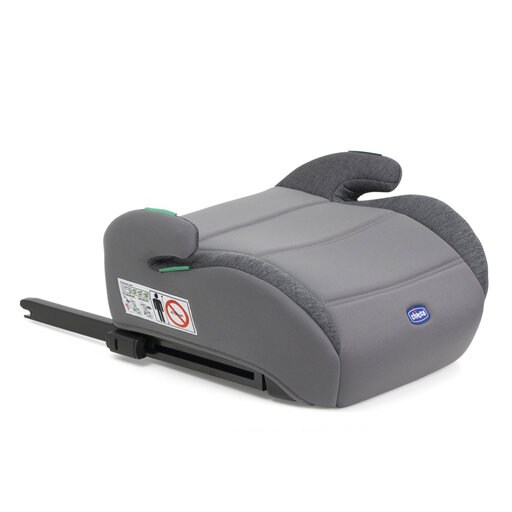
Why it suits this profile: A practical choice for children of around 7 to 12 years who already travel using the three-point seat belt.
The product information states a range of 125–150 cm and specifies installation with the three-point seat belt. ISOFIX is optional here, not the only attachment method.
ECE R129/04, optional ISOFIX connectors, a belt guide and a removable, washable cover are listed.
We have put together a complete, up-to-date list of products that fully meet these strict selection criteria and the applicable European safety regulations.
This depends on the height range and the requirements for the model. A seat for 40–150 cm can cover several stages of growth, while an infant car seat often has a more limited range. Replace the seat after a serious accident and do not continue using a damaged or incomplete model.
No. Some child car seats are secured using the three-point seat belt. ISOFIX can make installation easier, but the car must have suitable attachment points. Also check whether a support leg or Top Tether is required.
Look at the child’s height, the belt position and the seat’s approval, not just their age. The range includes models for 100–150 cm and models for 125–150 cm. The diagonal belt should lie flat across the shoulder, while the lap belt should sit low across the pelvis. Always follow the product manual.
