
Vandaag of morgen in huis

Kwaliteit gegarandeerd

Welkomstaanbiedingen ontgrendelen: GRATIS bezorging | Tot 80% korting | Gratis 30 dagen JoyPlus-proefperiode
Download de app
Buying a child car seat seems straightforward, until you have to choose between ISOFIX, a seat-belt fitting, i-Size, a swivel function and different height categories. A seat that looks as though it will last for years on paper won’t necessarily suit every car or every child. A thick cushion or handy swivel function alone tells you little about whether the fit is right.
The most common pitfalls:
An i-Size car seat or ECE R129 car seat is generally classified by height. So first check your child’s current height, rather than relying on their age alone.
For children under 15 months, the i-Size information for the models concerned specifies a rear-facing installation. Always follow the instructions and check that the chosen direction is suitable for your child’s height.
An ISOFIX car seat can be practical because its connectors attach directly to the car’s anchor points. Some models also use a support leg or top tether. Check the following beforehand:
According to the product information, a booster such as the Quasar i-Size is used with the car’s three-point seat belt. The Quasar Fix i-Size has optional ISOFIX connectors, but the seat belt is still important. Never use a lap belt on its own if the instructions specify a three-point seat belt.
With a larger child car seat, the diagonal belt should sit across the shoulder without pressing against the neck. A car seat with a belt guide helps keep the belt in the right position, but check before every journey that it lies flat and isn’t twisted.
Also look out for:
According to the brands’ own information, some covers are washable or removable. Always check the label and instructions before washing. Don’t put a cover in the tumble dryer or treat it with harsh cleaning products unless the care instructions say it’s safe to do so.
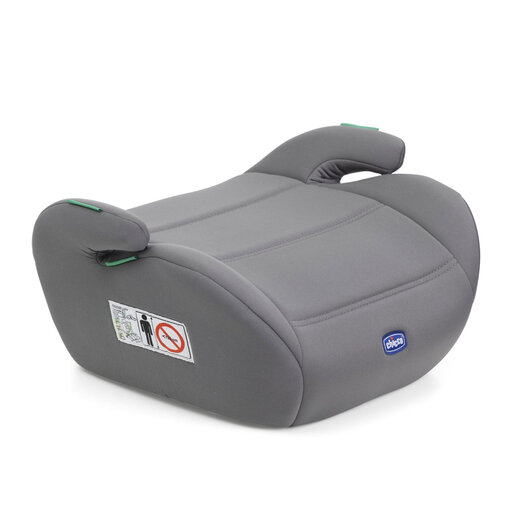
Why it suits this type of buyer: This model is designed for children measuring 125–150 cm and uses the car’s three-point seat belt. This makes installation straightforward for families who don’t need ISOFIX.
The height category is clearly stated. The integrated belt guide helps position the diagonal belt correctly.
ECE R129/04 according to the product specifications, soft armrests and a removable, washable cover.
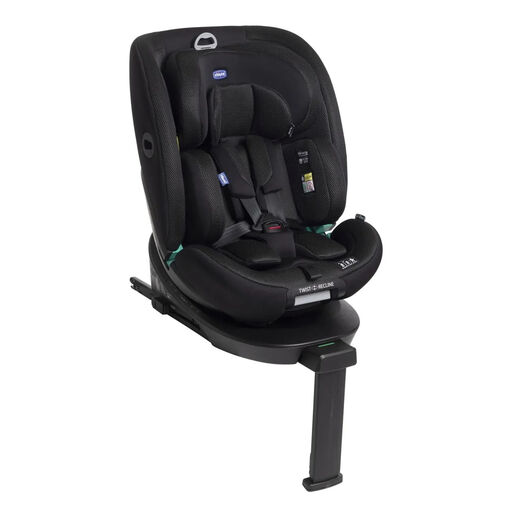
Why it suits this type of buyer: For families looking for one adjustable seat covering a wide height range, from 40 to 150 cm, with several adjustment options.
The product information gives the full height range and states that rear-facing use is required for children under 15 months.
ECE R129/03, ISOFIX with a support leg, 360-degree rotation, three recline positions and an adjustable headrest according to the product specifications.
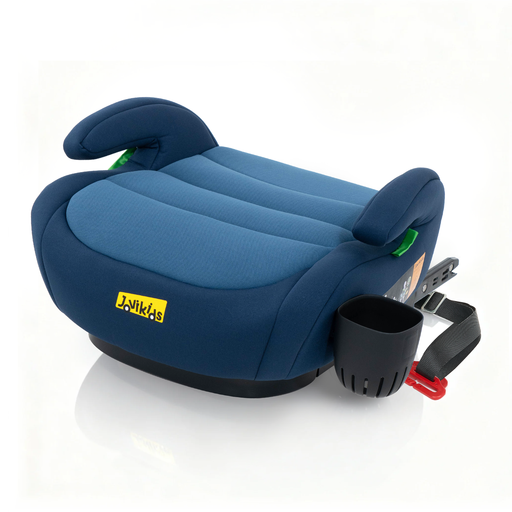
Why it suits this type of buyer: A good choice for families who want to move a compact booster between cars or have limited storage space.
The specifications state 125–150 cm, ISOFIX compatibility and a belt clip. Check that this combination is suitable for your car.
According to the product information, the booster weighs around 3 kg and has a removable, washable cover and a cup holder.
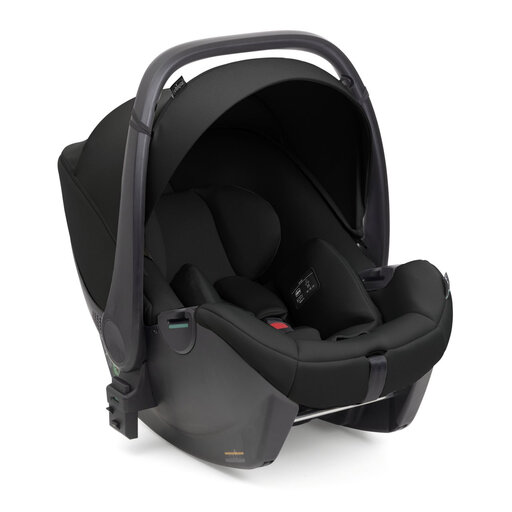
Why it suits this type of buyer: This baby car seat is designed for use from birth and, according to the product information, can also be used with a compatible Chicco pushchair.
The 40–80 cm range is clearly defined. According to the product information, the seat can only be installed rear-facing.
ECE R129/03, installation with a three-point seat belt or compatible ISOFIX base, and an included insert for babies measuring 40–60 cm.
We’ve put together a complete, up-to-date list of products that meet these strict selection criteria and the current European safety requirements.
It depends on your child’s height and weight, as well as the model’s maximum limits. A 40–150 cm seat can cover several stages of your child’s growth, while a baby car seat usually goes up to around 80 cm. Replace a seat after a serious accident or if any parts are damaged. Don’t use a model once your child has outgrown its limits.
No. Some booster seats are secured with the three-point seat belt and don’t need ISOFIX. Other models have optional ISOFIX connectors. Don’t just check whether ISOFIX is available; also check the fitting method, the belt route and whether the seat is compatible with your car.
The price varies according to the height range, fitting method, adjustment options and included accessories. A simple booster for 125–150 cm generally has fewer parts than a 360-degree rotating car seat for 40–150 cm. So compare the specifications and how long the seat can be used, not just the purchase price.
