
Late-night stock maker
You want to pressure cook after an evening class, while also allowing time for pressure release, straining and cooling.


Choose a model that can pressure cook, and compare its usable capacity with the amount of stock you want to make; the stated pot capacity is not necessarily the amount you can safely prepare. Remember to allow time for releasing the pressure, straining and cooling after cooking: the Netherlands Nutrition Centre advises cooling leftovers within two hours. Before buying, check the CE marking on the specific model, and follow its manual for pressure release.
You want to pressure cook after an evening class, while also allowing time for pressure release, straining and cooling.
You make several portions at once and want to know how much will fit within the usable capacity and safe fill level.
You want straightforward controls and fewer loose parts. Automatic pressure release and a second lid are different considerations.
Don’t compare the set cooking time alone. Decide how much you want to make, and plan what you’ll need to do after cooking to store the stock safely.
| What to consider | What to look for | Who should pay particular attention? |
|---|---|---|
| Total time | Allow for the time it takes to build and release pressure, not just the set cooking time. | If you want to strain and tidy up after an evening class, include the time until the stock is ready to store. Around 36% of consumers prioritise the total time needed in the evening. |
| Usable capacity | Compare the usable capacity and fill markings of the exact model with the batch size you want to make. | If you want to make several portions at once, what matters most is how much stock fits within the permitted fill level. Around 29% of consumers make batch size their first consideration. |
| Cooling and storage | Plan ahead for straining, containers and available fridge space. | If you want to store the stock after cooking late, you’ll also need to allow time for it to cool. Around 21% of consumers prioritise storage. |
| Controls and cleaning up | Check how the pressure is released and how many lids or parts you’ll need to use. | If you want to minimise steps and loose parts after a long day, compare the controls on the specific model. Around 14% of consumers prioritise ease of use. |
According to Tefal, the Tefal All-in-One CY505E has a 6 L bowl capacity and a usable capacity of 3.8 L. These figures therefore don’t mean the same thing when planning your batch.
Compare the amount you want to make with the usable capacity and fill instructions for the exact model.
If the usable capacity is too small, you may need to cook a second batch and do extra washing up.
Keeping food warm is not a way to cool leftovers. The Netherlands Nutrition Centre advises cooling leftovers within two hours.
Before cooking, plan how you’ll strain and cool the stock, then store it in sealed containers.
After cooking, you’ll also need containers and enough fridge space.
With the Instant Pot Duo Crisp 5,7L, you use the pressure-cooking lid for pressure cooking; the separate lid is for other cooking functions.
Choose this model only if you also want to use its extra functions for more than just stock.
The second lid needs extra storage space and will also need cleaning.
A Joybuy product page with ‘Classic 5,7L’ in the title mentions a RIO in the product description. A similar title alone therefore doesn’t confirm that it’s the Duo model reviewed here.
Before buying, check the full model name, version and product details.
According to the Dutch product information, the Duo 5,7L combines pressure cooking with a soup and stock programme. The Duo Crisp 5,7L also comes with a separate air fryer lid.
According to Tefal, the All-in-One CY505E has adjustable time and temperature settings, while the Turbo Cuisine CY7548 is operated using a single dial.
Philips describes the 3000 Series HD2616/70 as a multicooker with a soup setting, manual controls and automatic pressure release.
These electric pressure cookers and multicookers are for anyone who wants to make stock under pressure. Compare the stated capacity with the amount you want to make, and check the CE marking on the specific model before buying.
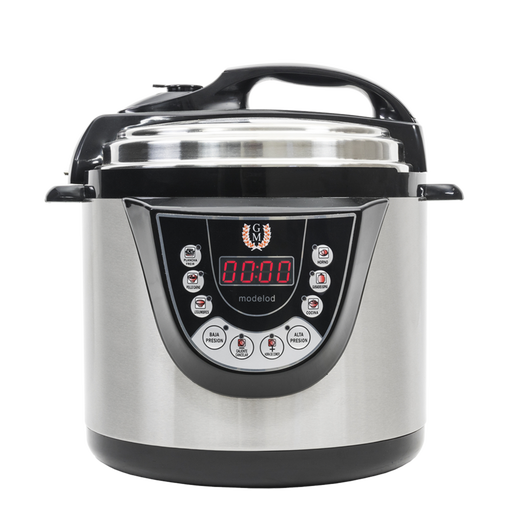 No image available
Worth comparing if you’re looking for a programmable pressure cooker to make stock under pressure.
The product name lists 6 L, 9 cooking menus and 2 pressure levels. The stated usable capacity is 5 L, compared with a 6 L pot capacity.
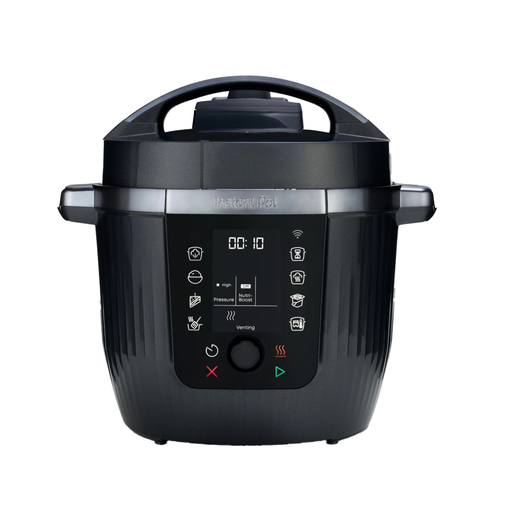 No image available
The listed pressure-cooking function makes this an option worth comparing for making stock under pressure.
The product name lists 5,7 L, 10-in-1, WiFi, app control and sous vide. The user information warns against exceeding the MAX fill line and opening the lid while the pot is still pressurised.
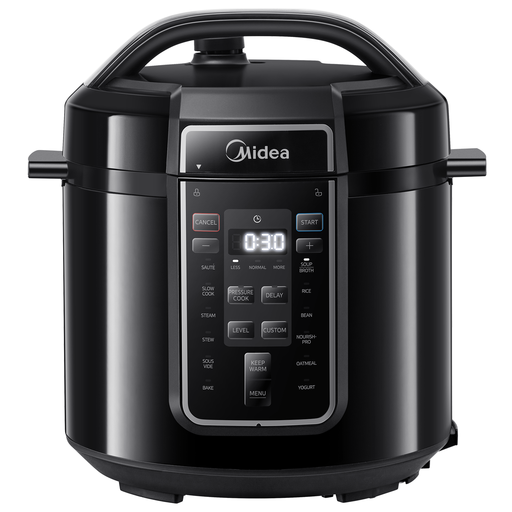 No image available
Worth comparing if you’re looking for an electric pressure cooker with a removable inner pot.
The product name lists 6 L, 1000 W, 14 cooking functions and a stainless steel inner pot. The user information warns against exceeding the MAX line or forcing the lid open while the pot is under pressure.
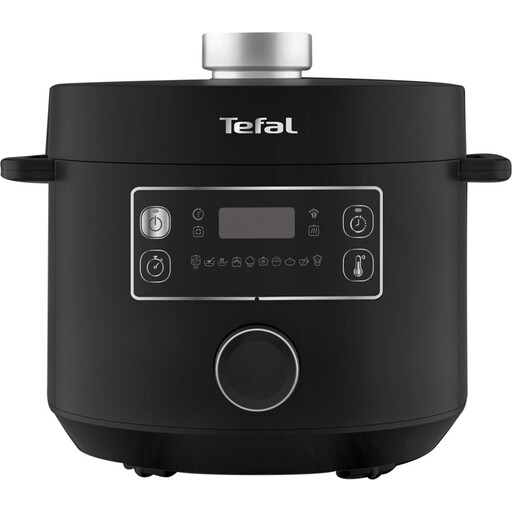 No image available
The pressure-cooking and soup functions make this an option worth comparing for making stock.
The product name lists 5 L. Tefal describes the CY7548 as having a single-dial control; follow the manual for pressure release and opening the lid.
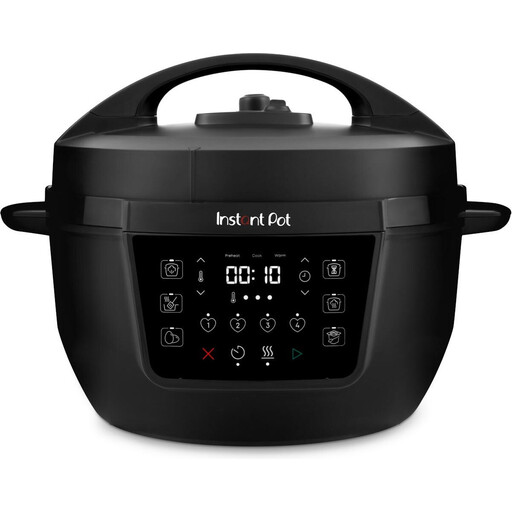 No image available
The pressure-cooking function makes this worth comparing if you’re considering a larger pot for making stock.
The product name lists 7,1 L, 7-in-1 and a stainless steel inner pot. The user information warns against exceeding the maximum fill line.
No. The set cooking time doesn’t include straining, cooling or putting the stock away. The Netherlands Nutrition Centre advises cooling leftovers within two hours, storing them in sealed containers and using refrigerated leftovers within two days.
Follow your model’s manual and the recipe you’re using. Instant Pot advises natural pressure release for soup with a lot of liquid, while a specific recipe from the same supplier mentions manual pressure release. Don’t treat that recipe instruction as a general rule.
The Netherlands Nutrition Centre advises against rinsing raw chicken. Keep cooked food separate from raw chicken, wash any utensils you’ve used and cook chicken thoroughly. Also clean the pot and its parts according to the manual for the specific model.
No. The Dutch Government explains that a manufacturer’s guarantee is in addition to your statutory rights. There is no fixed statutory guarantee period for every product in the Netherlands; if a product is faulty, contact the retailer.
According to the Dutch Government, electrical appliances placed on the market in the EU must carry a CE marking. Check the marking on the specific model; the product title alone doesn’t confirm it.