
If you mainly make small batches
You usually make a modest amount of stock and want the pan and cooking mode to suit. The 3.8-litre Instant Pot Classic Mini is a compact model to compare; Instantpot.nl lists pressure-cooking and slow-cook functions.


If you mainly make small batches and want the option of pressure cooking, compare compact models such as the 3.8-litre Instant Pot Classic Mini, which also has a slow-cook function. A larger model is worth considering if you also make bigger quantities or other dishes. Always check the permitted fill level for your chosen cooking mode, and factor in cleaning and pressure release.
You usually make a modest amount of stock and want the pan and cooking mode to suit. The 3.8-litre Instant Pot Classic Mini is a compact model to compare; Instantpot.nl lists pressure-cooking and slow-cook functions.
You want the choice between pressure cooking and slow cooking. Compare the whole process, including the time it takes to reach pressure and release it, not just the set cooking time.
You sometimes make stock, but also want to use the appliance for larger quantities or other dishes. Tefal and Philips list a 6-litre capacity for some models; that capacity does not tell you how much stock you can cook in a particular mode.
Best for: small batches and the option to slow cook too.
Check: the minimum amount of liquid and maximum fill level in the manual for the exact model.
Best for: anyone who wants to make larger quantities as well as small batches; Tefal lists a 6-litre capacity and both cooking functions for the All-in-One CY505EF0.
Check: the stated capacity is not the same as the permitted fill level for pressure cooking.
Best for: anyone who wants a larger pot and would rather not operate a steam valve themselves; Philips lists this feature for the HD2616/70.
Check: Philips lists a 6-litre capacity for this model, which may be more than you need if you only make small batches.
Best for: anyone who prefers gentle cooking to pressure cooking; Tefal lists stewing and slow cooking among the functions of the RK8121.
Check: if you want to pressure cook, make sure this function is explicitly listed for the exact model.
| What to consider | What to check before buying | Who should consider this most? |
|---|---|---|
| Capacity for small batches | Compare the pan capacity with the minimum amount of liquid and maximum fill level in the manual for the specific model. | If I’m making a small batch, I want to know whether the ingredients and liquid will be within the limits for my chosen cooking mode. Around 36% of consumers prioritise a suitable capacity for small batches. |
| Cooking method and time | Check whether the model offers both pressure cooking and slow cooking, and allow for the time it takes to reach pressure and release it. | If I want to choose between pressure cooking and slow cooking, I compare the whole cooking process, not just the set cooking time. Around 29% of consumers give the cooking method and time required top priority. |
| Cleaning and other uses | Check the cleaning instructions for the pan and lid, and see which functions you’d use in addition to making stock. | If I use the appliance for other dishes too, I want to know what cleaning is involved. Around 21% of consumers prioritise maintenance and versatility. |
| Safe use and storage | Read the pressure-release instructions and have suitable, airtight containers and fridge space ready. | If I want to store stock after cooking, I also plan for opening the cooker safely and chilling the stock promptly. Around 14% of consumers give safe use and storage top priority. |
The pan capacity and the permitted fill level for pressure cooking are not the same. The maximum fill line may limit how much liquid and how many ingredients you can use in your recipe.
Check the manual for the exact model for the minimum amount of liquid and maximum fill level, rather than relying on the capacity in litres alone.
A slow-cook programme is not a pressure-cooking function. Tefal lists stewing and slow cooking among the functions of the RK8121; check the features of the specific version if pressure cooking matters to you.
Look for pressure cooking or pressure cooking mode specifically in the product information or manual.
Pressure cooking also takes time to reach pressure and release it. Afterwards, you’ll still need to portion the stock safely and let it cool.
Follow the pressure-release instructions for your model and refrigerate cooked leftovers within two hours, as advised by the Voedingscentrum.
Allow time for the cooker to reach pressure, release it and cool safely; the set cooking time isn’t the whole process.
According to Instantpot.nl, the 3.8-litre Classic Mini combines pressure cooking and slow cooking. It’s a compact model to compare for smaller batches.
Tefal offers different cooking options: the All-in-One CY505EF0 is listed with a 6-litre pot, pressure cooking and slow cooking, while the RK8121 is listed with stewing and slow cooking among its functions.
Philips lists a 6-litre capacity, pressure cooking, slow cooking and automatic pressure release for the 3000 Series HD2616/70.
This selection focuses on multicookers and pressure cookers for small batches, with larger models for anyone who also wants to cook other dishes.
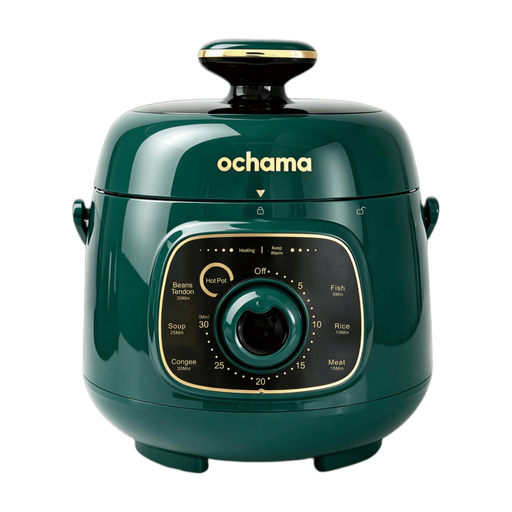 No image available
The stated capacity and suitability for 1–3 people make this a compact option for preparing small batches.
The product name mentions a ceramic-coated inner pot and 70 kPa. Follow the maximum fill line and only open the lid once the pressure has been fully released.
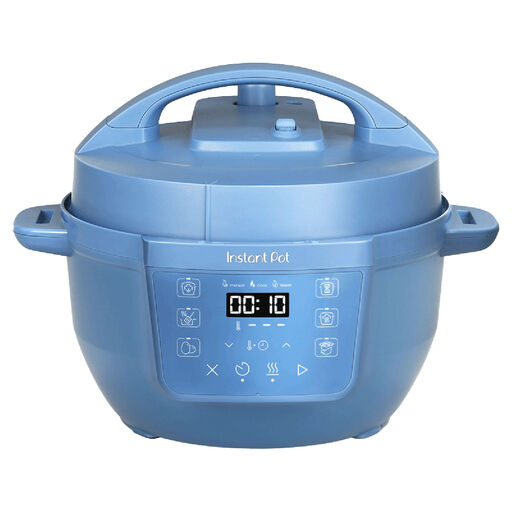 No image available
The stated capacity and pressure-cooking and slow-cook functions make this model worth considering if you want to compare both cooking methods.
The product name describes it as 7-in-1. When pressure cooking, follow the minimum liquid requirement and fill limits in the manual for this exact model; never force the lid while the pot is under pressure.
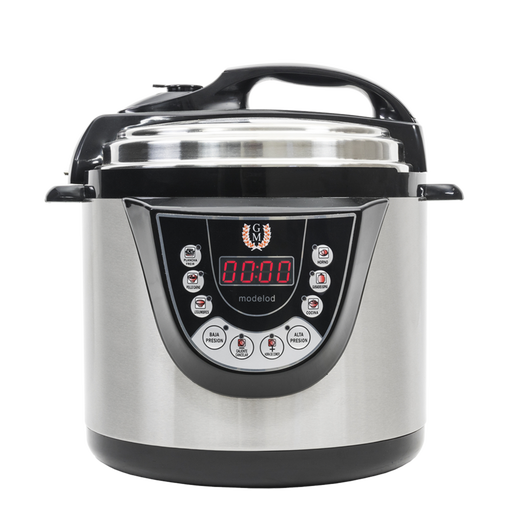 No image available
The pressure-cooking function makes this model worth considering if you want to prepare stock under pressure, although its stated capacity is generous for small batches alone.
The product information lists 9 cooking menus, 2 pressure levels and a 24-hour timer. The stated usable capacity is 5 litres; follow the maximum fill line when pressure cooking.
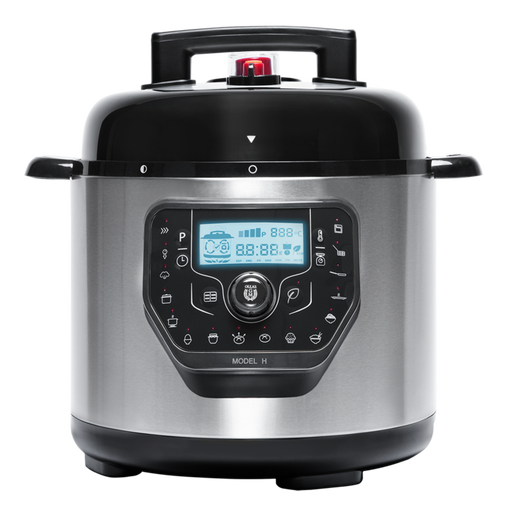 No image available
This larger model is for anyone who wants to use it for other cooking tasks as well as making stock; the product name describes it as a multifunctional pressure cooker.
The product name mentions an air fryer attachment and built-in scales. Follow the maximum fill line and never force the lid while the pot is under pressure.
 No image available
The listed combination of pressure cooking and slow cooking gives you both options; the stated 6-litre capacity is generous if you only make small batches.
The product name lists 14 cooking functions and a stainless-steel inner pot. Follow the maximum fill line when pressure cooking.
No. The stated capacity in litres describes the pot, not the permitted fill level for every recipe. Check the minimum amount of liquid and maximum fill level in the manual for the exact model; the instructions for an Instant Pot Duo do not automatically apply to the Classic Mini.
Follow the pressure-release instructions for the model you’ve bought and never force the lid. The Instant Pot Duo manual warns that the pot must not be opened until the internal pressure has been fully released; use your appliance’s manual as your guide.
According to the Voedingscentrum, cover cooked leftovers and chill them within two hours of cooking. Its storage guide says opened stock will keep for two days in the fridge and three months in the freezer; for homemade stock, make sure you follow the advice on chilling it promptly.
No. According to the Dutch government, there is no fixed statutory two-year guarantee that applies to all products. Any manufacturer’s guarantee is in addition to your statutory rights; keep your proof of purchase and contact the retailer if there’s a problem.