
Vandaag of morgen in huis

Kwaliteit gegarandeerd

Welkomstaanbiedingen ontgrendelen: GRATIS bezorging | Tot 80% korting | Gratis 30 dagen JoyPlus-proefperiode
Download de app
A good chicken sauce can transform a simple dish in no time. Yet there is a huge range to choose from, including teriyaki sauce, yakitori sauce, Korean chicken sauce, curry and spicy stir-fry sauce. The packaging often promises an “authentic” flavour, but does not always make it clear what each sauce is best suited to.
The key question is therefore not which sauce sounds most appealing, but how you want to use it: as a marinade, glaze, dip, stir-fry sauce or ready-made base for a meal.
A thick, sweet sauce works well as a glaze on chicken cooked in the oven or air fryer. In a wok, however, it can quickly stick to the pan. A thinner stir-fry sauce is more practical when cooking chicken, vegetables and noodles together.
Look out for terms such as:
Spiciness varies from one brand and recipe to another. A sauce containing red chilli may be mainly sweet, while chilli extract can create a much stronger heat. Samyang Buldak sauces list chilli extract among their ingredients. This suggests that you may want to start with a small amount, particularly when diners have different preferences.
A useful approach is to mix a small amount of sauce with the cooked chicken first. You can then adjust the flavour with water, rice vinegar, honey or extra vegetables.
Many Asian sauces contain soya and wheat. Sesame, milk, nuts, peanuts, celery, mustard and egg are also found in various products. Always check the packaging, especially if you have allergies or intolerances.
Also check the salt and sugar per 100 ml or 100 grams. This makes products easier to compare. For example, the Kikkoman Teriyaki BBQ Sauce product information lists 5,700 mg of sodium per 100 ml, while Go-Tan Sticky Chicken Yakitori Sauce lists 3 grams of salt per 100 grams. The units are not the same, so compare the values exactly as they appear on the label.
First choose the direction you want your dish to take:
Ready-made sauces are convenient when you need a quick meal. A product such as Chicken Tonight Indian Curry is intended for three to four people and can be served with chicken and rice. Honig Chicken Curry Mix, on the other hand, requires additional ingredients such as chicken, rice, onion, pepper and optionally pineapple. This gives you more scope to customise the dish, but also requires a little more preparation.
A 220 to 250 ml bottle is suitable for regular use as a marinade, topping or dip. For a family or several wok meals, 450 to 525 ml may be more practical. After opening, pay attention to the storage instructions:
Always follow the instructions on your packaging. Product information and recipes may change.
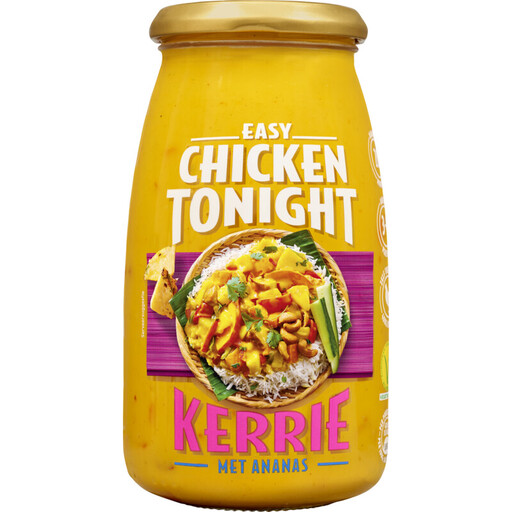
Why it suits this profile: This ready-made curry is an easy starting point for a meal with chicken and rice. The sauce contains ingredients including pepper, carrot, pineapple and raisins, and is described as mildly spiced.
There is no need to combine a separate spice mix and sauce. Do check the listed allergens, however: the product information mentions wheat, celery, mustard and egg, among others.
520 grams; intended for 3 to 4 people; serve with rice; quick to prepare.
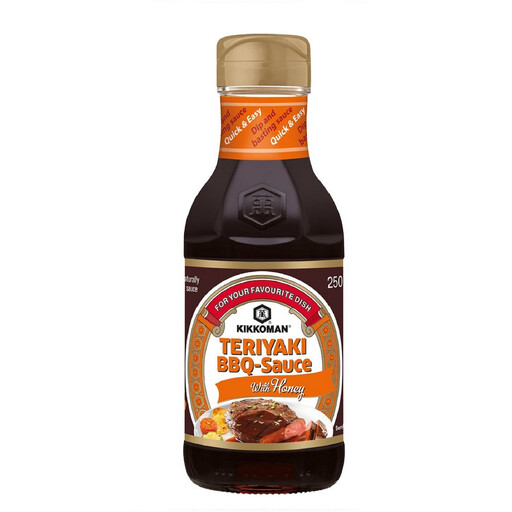
Why it suits this profile: The product information says that this sauce is suitable for seasoning, marinating, dipping and cooking. This makes it useful for chicken cooked in a frying pan, oven or on the barbecue.
The ways to use it are clearly described. Bear in mind that it contains soya and wheat allergens, and check the current packaging.
250 ml; suitable as a marinade, dip and cooking sauce; described as free from artificial colourings, flavourings and preservatives.
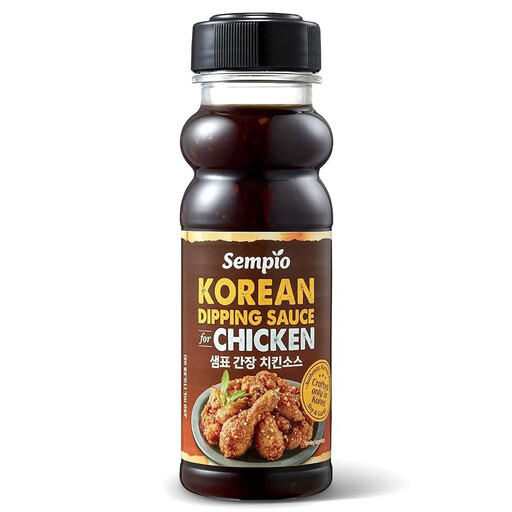
Why it suits this profile: According to the product information, this Korean sauce is intended for marinating, glazing and dipping. It is ideal for homemade Korean fried chicken, barbecue chicken or chicken cooked in an air fryer.
It is not limited to just one cooking method. The ingredients list does contain sugar, soya and wheat, so check the serving information and allergens on the label.
250 ml; soya, garlic, onion, ginger and red chilli according to the ingredients list; suitable for use as a marinade, glaze and dip.
We have put together a complete, up-to-date list of products that fully meet these strict selection criteria and the applicable European safety regulations.
Choose a thick sauce that can be used as a glaze or dip. According to the product information, Sempio Korean Fried Chicken Soy & Garlic Sauce is suitable for both uses. A Korean sweet & spicy sauce, such as Delief Chicken Sauce, can also be used for coating, dipping or marinating.
You can if the packaging lists both uses. According to the product description, Kikkoman Teriyaki BBQ Sauce is suitable for marinating and cooking. Never reuse sauce that has been in contact with raw chicken as a dip unless you heat it thoroughly first.
This varies from product to product. Go-Tan states that several of its sticky sauces have a limited shelf life at room temperature after opening. According to the product information, Chicken Tonight sauces should be covered and refrigerated after opening, then used within a few days. Always check the packaging and do not use a product if its smell, colour or packaging appears unusual.
