
Vandaag of morgen in huis

Kwaliteit gegarandeerd

Welkomstaanbiedingen ontgrendelen: GRATIS bezorging | Tot 80% korting | Gratis 30 dagen JoyPlus-proefperiode
Download de app
A good chicken sauce can transform a simple meal into Korean fried chicken, Japanese yakitori, a quick stir-fry or a mild curry. Yet the choice is not always as straightforward as the label suggests. Words such as “hot”, “sticky” and “authentic” do not always tell you enough about the flavour, how to use the sauce or what it contains.
With this practical buying guide, you can compare sauces based on verifiable product information. That way, you can avoid a disappointing purchase and choose a sauce that suits your dish, preferred level of heat and household.
A spicy chicken sauce can offer much more than just chilli. Some varieties combine pepper with garlic, soy, vinegar or sweetness. According to the product description, buldak sauce focuses on a fiery chilli flavour with a slightly sweet note. That is different from a sweet and spicy sauce for Korean fried chicken.
So pay attention to how you plan to use it:
“Hot” is not a universal scale. Check the ingredients and start with a small amount.
A large bottle may seem like good value, but it does not always suit the way you use it. A jar or bottle of around 165 to 250 ml is practical if you make chicken, noodles or a dip occasionally. Larger packs are more appealing for families or frequent users, but require more attention to storage after opening.
Also check the serving size. According to the product information, Chicken Tonight Indian Curry, 520 grams, is intended for three to four people. That is a different purchase from a compact squeeze bottle that you measure out for each dish.
Many sauces for chicken contain soy and wheat. This applies, for example, to various yakitori and Korean varieties. Other products may contain milk, celery, mustard, egg, peanuts or sesame.
Always check the following before buying:
The packaging remains the final authority, as recipes and labelling can change.
First decide what you want the sauce to achieve. For a distinctly hot meal, you could consider Samyang Buldak Sauce or a similar Korean chicken sauce. The product description states that this sauce is suitable as a dip, marinade and cooking sauce, with chilli, garlic, onion, soy and vinegar listed among the ingredients.
Would you like some heat, but also a thicker sweet and savoury coating around fried chicken? A Korean fried chicken sauce containing gochujang, garlic or tomato is likely to be a better fit. According to the product information, Sempio Korean Fried Chicken Sauce Sweet & Spicy contains 29 grams of sugar and 3.1 grams of salt per 100 grams. This makes it important to control the amount you use per serving.
Not every chicken sauce behaves in the same way when heated.
Check whether the manufacturer states that the sauce can be used cold, hot or both ways. According to the product description, Go-Tan Sticky Chicken Yakitori Sauce can be used cold or hot and is intended for the oven, air fryer, pan or serving at the table.
Do not compare millilitres or grams separately from the recipe. You may use a concentrated sauce in smaller quantities than a mild cooking sauce. Also check its shelf life after opening. Some products need to be refrigerated, while the product information for others may state that they can be kept at room temperature for a limited time.
If you have allergies, it is a good idea to read the full ingredients list rather than relying only on the front of the packaging. Terms such as “Korean”, “Japanese” or “hot chicken” also describe a style or flavour direction, and do not guarantee a particular preparation method.
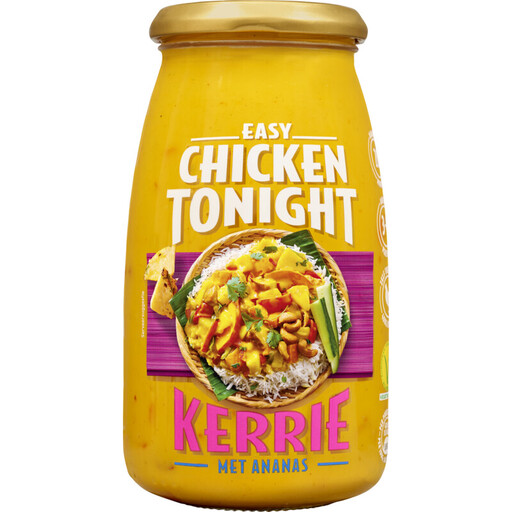
Why it suits this profile: A ready-made, mild sauce for anyone who wants to make chicken with rice without complicated preparation.
The product information states that it serves three to four people and has a mild seasoning, making it less likely that you will buy a sauce that is too hot.
Ready to use, with pepper, carrot, pineapple and raisins; intended to be served with rice.
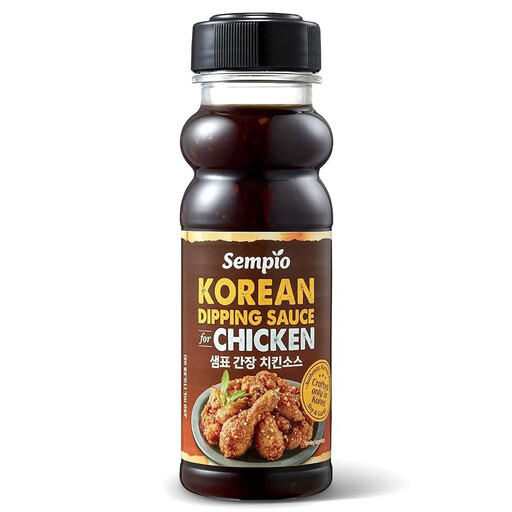
Why it suits this profile: Ideal for those who enjoy a sweet and savoury profile with soy, garlic, onion, ginger and red pepper.
The uses are clearly described: marinating, glazing or dipping. You are not buying a sauce that is only suitable for one preparation method.
250 ml; according to the product description, suitable for fried chicken, barbecue and use as a dip.
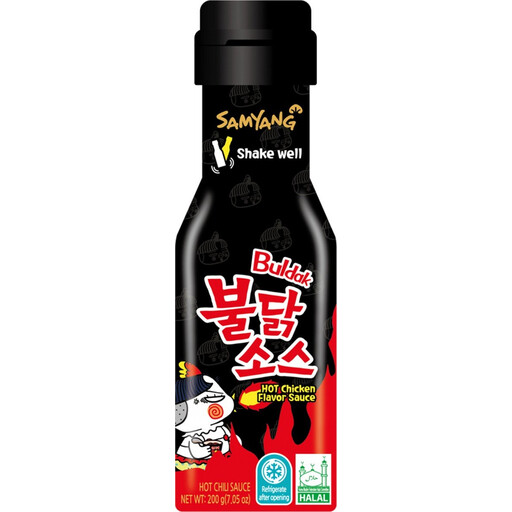
Why it suits this profile: For anyone looking for a concentrated Korean chilli sauce for noodles, rice, chicken, marinades and dips.
The bottle is compact and has a squeeze cap, allowing you to build up the amount gradually rather than using too much sauce straight away.
165 ml; according to the product description, suitable as a dip, marinade and cooking sauce. Contains soy and wheat.
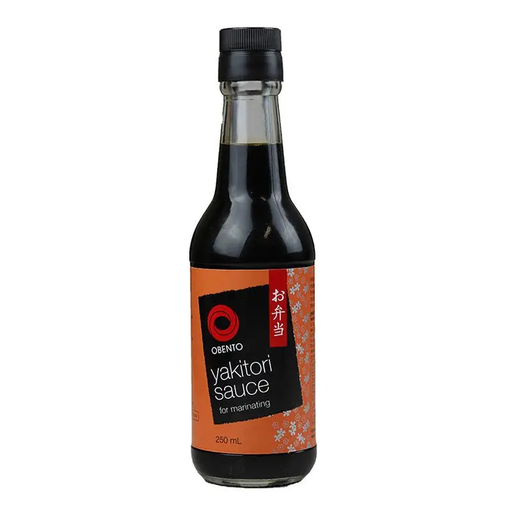
Why it suits this profile: A practical choice for chicken skewers, grilled dishes and marinating with a sweet and savoury Japanese flavour profile.
The product information clearly describes marinating followed by grilling or baking. This means the sauce is tailored to a specific chicken dish.
250 ml; ingredients include soy sauce, sugar, mirin, vinegar and garlic powder.
We have put together a complete, up-to-date list of products that fully meet these strict selection criteria and the applicable European safety regulations.
Look for a Korean fried chicken sauce with a thicker consistency and a sweet and spicy flavour profile. According to the product description, Sempio Sweet & Spicy and similar gochujang-based sauces are intended for coating, dipping or marinating chicken. Do check the sugar, salt and allergen content.
You can if the product description states that it is suitable for marinating. Divide the sauce into two portions: one for raw chicken and one clean portion for serving. Keep the chicken refrigerated and cook it thoroughly in line with standard food safety guidelines.
This varies from product to product. Some sauces need to be refrigerated after opening, while according to the label, others can remain at room temperature for a limited time. Seal the bottle or jar properly, always follow the packaging guidance and discard the product if it develops an unusual smell, colour or texture.
