
Vandaag of morgen in huis

Kwaliteit gegarandeerd

Welkomstaanbiedingen ontgrendelen: GRATIS bezorging | Tot 80% korting | Gratis 30 dagen JoyPlus-proefperiode
Download de app
A ready-made chicken sauce can add plenty of flavour to a quick meal. Yet the range can sometimes seem simpler than it actually is. Whether you’re after a chicken marinade for the air fryer, a chicken sauce for stir-fries, or a spicy chicken sauce for fried chicken, it’s not just the flavour and packaging that matter.
As Joybuy’s Product Recommendation Officer, I filter product information down to the key details. That way, you can quickly see which sauce suits your cooking style and avoid a disappointing purchase.
“Yakitori”, “Korean BBQ” or “Kung Pao” gives you a general idea, but the ingredients can vary significantly. A yakitori sauce is often sweet and sticky, whereas a Kung Pao seasoning mix is designed for stir-frying and usually needs extra ingredients added.
So pay attention to the usage instructions. A sauce for fried chicken might work as a marinade, as a coating after cooking, or as a table condiment. These aren’t always interchangeable uses.
Many Asian sauces contain sugar, glucose syrup or syrup. A sweet and sour chicken sauce isn’t automatically mild, and a Korean chicken sauce can contain plenty of sugar alongside the chilli. Check the nutritional values per 100 grams or 100 millilitres before you buy a large bottle.
For example: Go-Tan Korean Sticky Chicken BBQ Sauce lists 39 grams of sugar and 2.9 grams of salt per 100 grams. Go-Tan Yakitori Sauce contains 31 grams of sugar and 3 grams of salt per 100 grams. These figures don’t tell you everything about your overall meal, but they do help you compare products objectively.
Soya sauce, wheat, sesame, peanuts, milk and celery are common ingredients in chicken sauces and seasoning mixes. Always read the allergen information on the label, even if you’ve bought the product before. Recipes can change.
Also pay attention to storage. Some products remain shelf-stable unopened but need to be refrigerated after opening. A sauce you only use occasionally therefore requires extra attention to the storage information.
First, choose the product type:
A product like Hao Ren Jia Kung Pao Chicken Seasoning Mix, according to the product description, is added during stir-frying. The 80-gram pack is intended for a complete dish including chicken, cucumber, spring onion and peanuts. This differs from a ready-to-use sauce that you can pour straight over fried chicken.
Check whether the sauce can be used cold, hot, or both. The Go-Tan Sticky Chicken sauces, according to the product information, can be used cold or hot and are suitable for the oven, pan and air fryer.
With a seasoning mix, the preparation is more specific. For Hao Ren Jia, the instructions include marinating the chicken with cooking wine and starch, adding the mix during stir-frying, and finishing the dish with roasted peanuts. Haidilao Seasoning For Kung Pao Chicken, according to the product description, is also intended for a quick stir-fry but can also be used for marinating or other sweet-savoury dishes.
A 220 ml bottle might seem small, but it can be enough for several meals if you only use a thin layer. A 380-gram jar is more practical if you cook chicken regularly or also use the sauce as a dip.
Also compare:
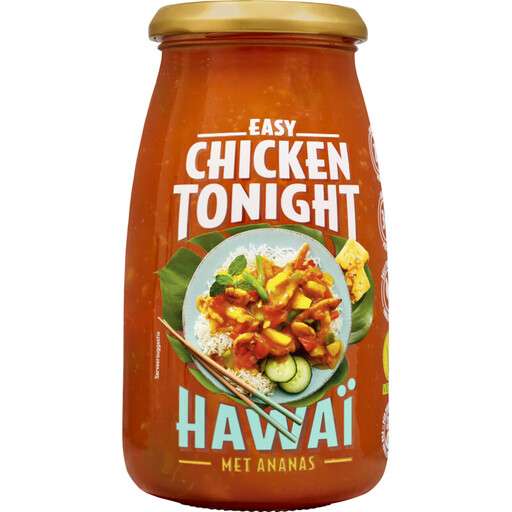
Why this suits the profile: This ready-made sweet and sour chicken sauce is designed for a meal with rice and stir-fried chicken. According to the product information, the pack is suitable for three to four people.
You don’t need to combine separate herbs, thickeners or extra sauce components. Do check the listed celery as an allergen.
515 grams content, vegetables including pepper, carrot and pineapple, and a preparation that complements rice.
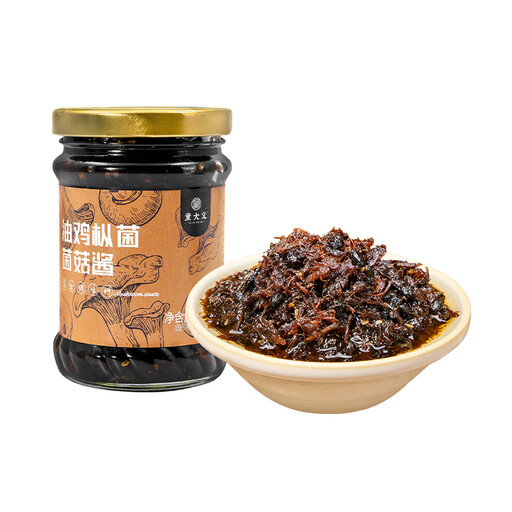
Why this suits the profile: This ready-to-eat sauce is focused on umami and, according to the product description, can be used with rice, noodles, bread, steamed buns and stir-fries.
The ingredients list includes shiitake, fermented black soya and sesame. This means you can check the flavour profile and allergens in advance.
210 grams content, 25% shiitake according to the product information, and ready to eat with no extra preparation needed.
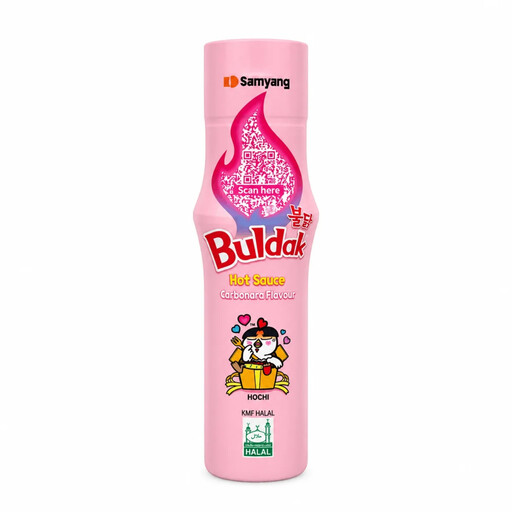
Why this suits the profile: According to the product description, this is a Korean spicy sauce with a creamy carbonara style, suitable for chicken, rice, noodles and stir-fries.
The flavour and ingredients are clearly described. Check the listed allergens before purchase: milk, soya, wheat, celery and nuts.
Handy squeezy bottle of 165 ml and multiple uses, from marinade to noodle or stir-fry sauce.
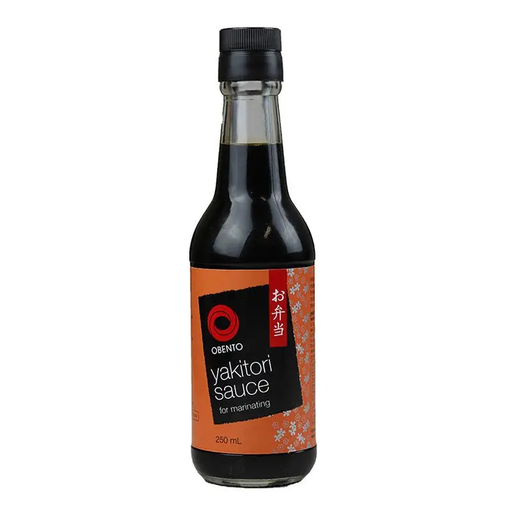
Why this suits the profile: This Japanese yakitori sauce, according to the product information, is designed for marinating chicken or other meat before grilling or frying.
Its use as a marinade is clearly described. The sauce contains soya and wheat; check this if you have an allergy or intolerance.
250 ml content, suitable for marinating, and a clear pairing with grilling or frying.
We’ve put together a full, up-to-date list of products that fully meet these strict selection criteria and comply with current European safety regulations.
Choose a sauce that, according to the product information, is suitable for the oven or air fryer, such as a sticky chicken sauce. You can use the sauce as a marinade beforehand or apply it after cooking. Applying a sugar-rich sauce too early can result in a dark coating. So follow the usage advice on the packaging.
A chicken marinade is designed to flavour raw chicken in advance. A chicken sauce for stir-frying is usually added during or after stir-frying. A seasoning mix, such as a Kung Pao sauce mix, may require extra ingredients and a specific preparation step. So check whether the product is intended for marinating, stir-frying, dipping or coating.
Always follow the label. Some sauces can be stored at room temperature after opening if the packaging remains tightly sealed. Other products, such as meal and stir-fry sauces, need to be covered and kept in the fridge. Use an opened bottle or jar within the stated period and check the packaging for any unusual smell, colour or texture.
